...North American buildings built in the 1800s, wood construction has proven it can stand the test of time. Although wood building technology has been changing over time, wood’s natural durability...
...of Non-Combustibility in Building Materials.” For further information, refer to the following resources: Wood Design Manual, Canadian Wood Council National Building Code of Canada CAN/ULC-S114 Test for Determination of Non-Combustibility...
...and follow all manufacturer’s instructions. Surface Preparation for Aged Wood Wood coatings need a fresh surface or the coating simply won’t last. The longer wood has been allowed to weather, the poorer...
...use of treated wood apply when coating preservative-treated wood. Effect of bluestain Bluestain is caused by fungi, and bluestained wood is more permeable than unstained wood, therefore it may absorb...
...with decay (rot) caused by decay fungi, which can penetrate deeply into wood and significantly reduce wood strength in a relatively short period. In contrast, weathering of wood is caused...
...Adjustment Factors for Fire-Retardant-Treated Plywood Roof Sheathing National Building Code of Canada Example Specifications for Plywood Plywood Grades Plywood Handling and Storage Plywood Manufacture Plywood Sizes Quality Control of Plywood...
...this will be quite obvious. The wood will be soft and perhaps even be breakable by hand. Decayed wood breaks with a carrot-like snap versus the splintering of sound wood....
...environments. For borate-treated wood used inside buildings, the same connectors can be used as for untreated wood. Recommendations on Fasteners for Treated Wood Fasteners for use in treated wood that...
...very rapidly in wet wood. Copper moves more slowly because it reacts with the wood. For dryer wood, glycols can be added to borate formulations to improve penetration. Over-the-counter wood...
...end of wood members. When a wood member dries, moisture is lost very rapidly from the end of the member. At midlength, however, the wood is still at a higher...
The durability of wood is often a function of water, but that doesn’t mean wood can never get wet. Quite the contrary, wood and water usually live happily together. Wood...
Throughout history, wherever wood has been available as a resource, it has found favour as a building material for its durability, strength, cost-competitiveness...
The National Building Code of Canada (NBC) requires that some buildings be of ‘noncombustible construction’ under its prescriptive requirements. Noncombustible...
Choosing a coating depends on what appearance is desired and what level of maintenance would be tolerable. For many people, the basic choice is paint versus stain. The...
How long will an exterior wood coating last? Anywhere from a few months to 20 years or more, depending on the choice of product, how it was applied, and how severe the...
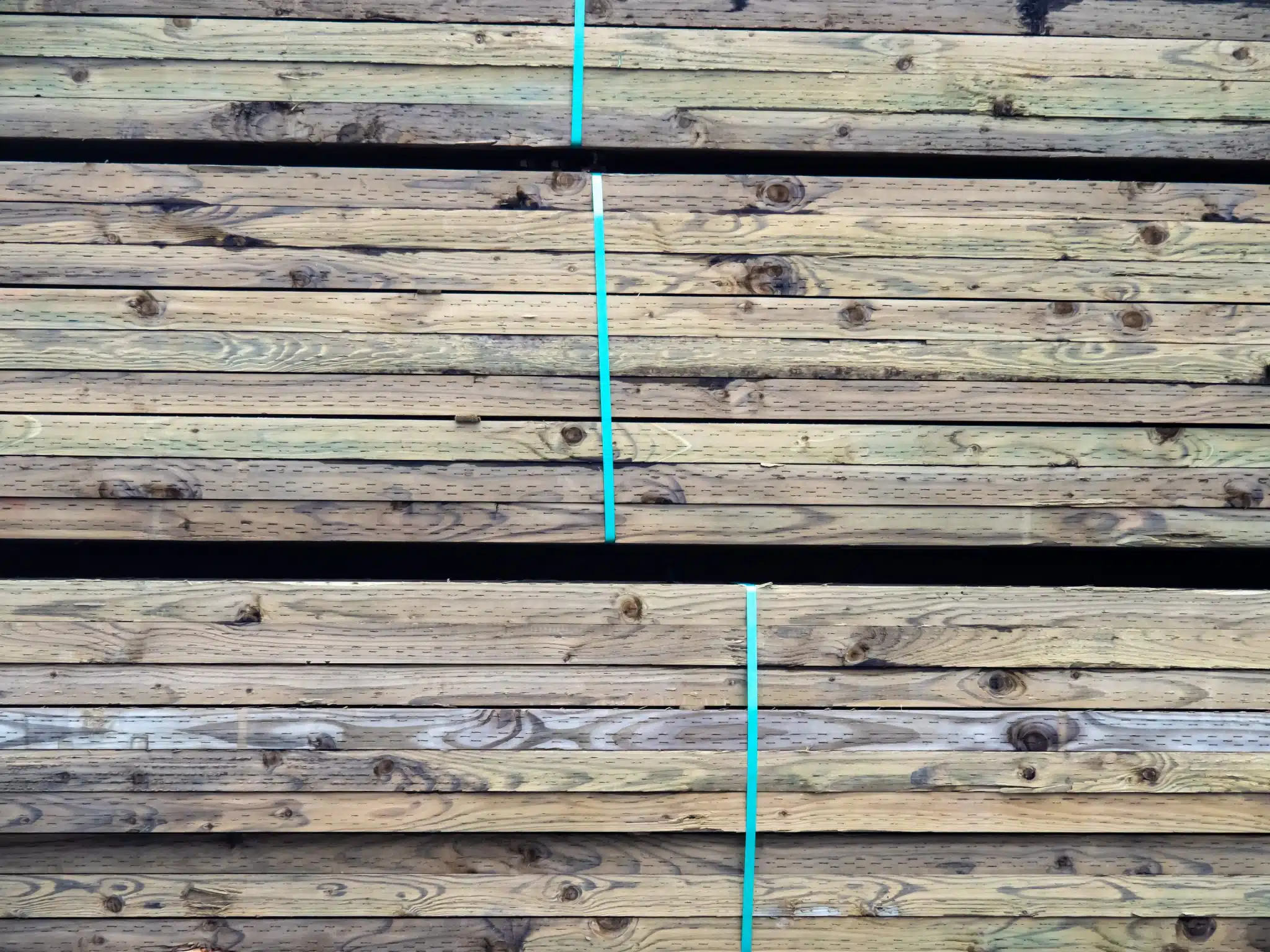
Treatability of Major North American Softwoods Some wood is easier to treat than others. The particular structure of the cells for a given piece of wood will determine how...
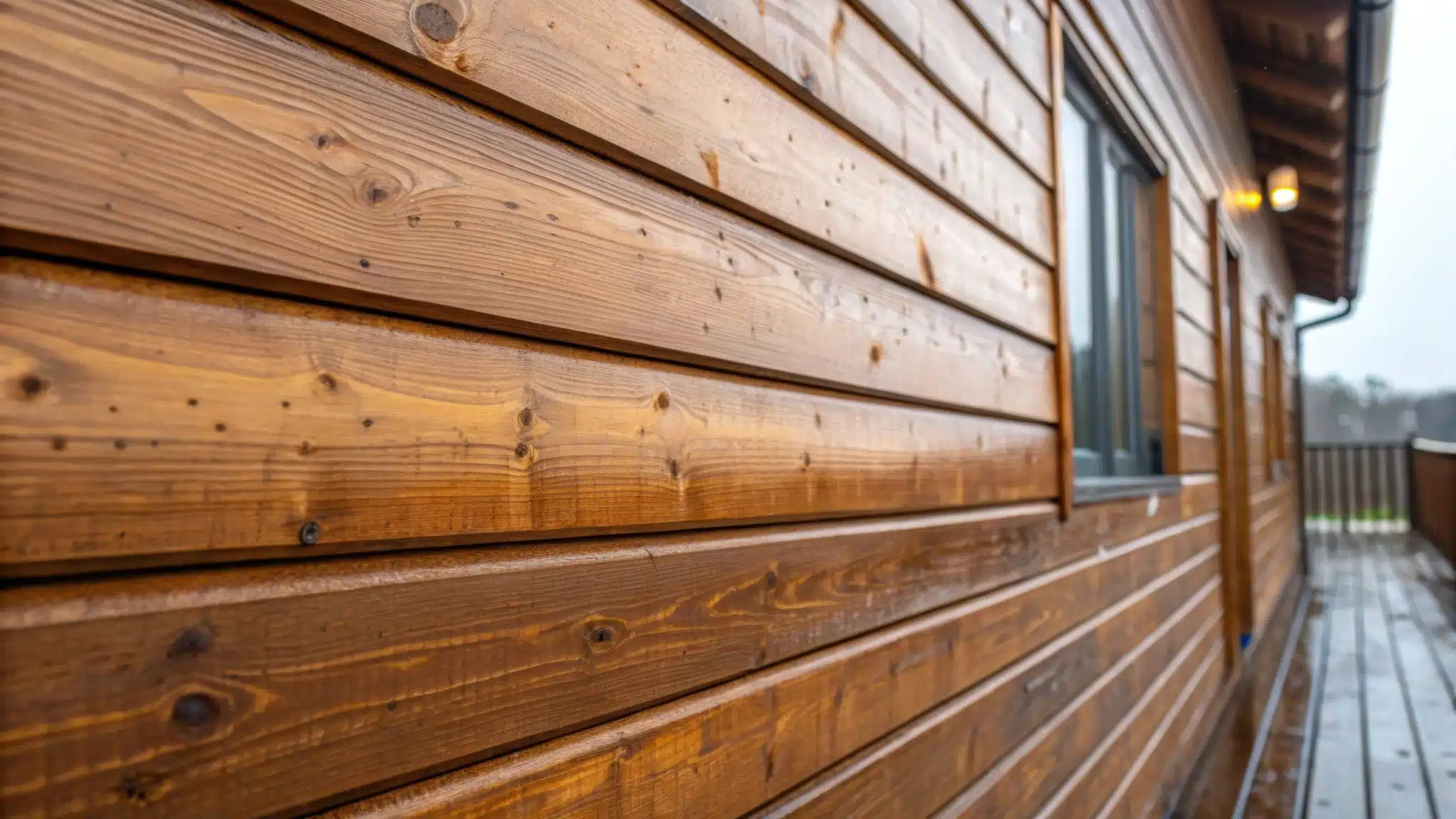
The appearance of wood can be modified with the application of an architectural coating. Architectural coatings are surface coverings such as paints and stains applied...
Plywood is a widely recognized engineered wood-based panel product that has been used in Canadian construction projects for decades. Plywood panels manufactured for...
LEAKY BUILDINGS AND DECAYING WOOD - WHAT'S HAPPENING? The news across North America seems to frequently contain stories about serious moisture failures in wood-frame...
Fasteners, Connectors and Flashing for Wood Treated With Copper-Based Preservatives The presence of moisture is a precondition for corrosion of metals. Treated wood is...
Non-Pressure Treated Wood For most treated wood, preservatives are applied in special facilities using pressure. However, sometimes this isn’t possible, or the need for...
Dimension lumber is solid sawn wood that is less than 89 mm (3.5 in) in thickness. Lumber can be referred to by its nominal size in inches, which means the actual size...
The durability of wood is often a function of water, but that doesn’t mean wood can never get wet. Quite the contrary, wood and water usually live happily together. Wood is...






 Environment


