

Explore the Best We Have To Offer
All Events and Workshops
Sort by Date:
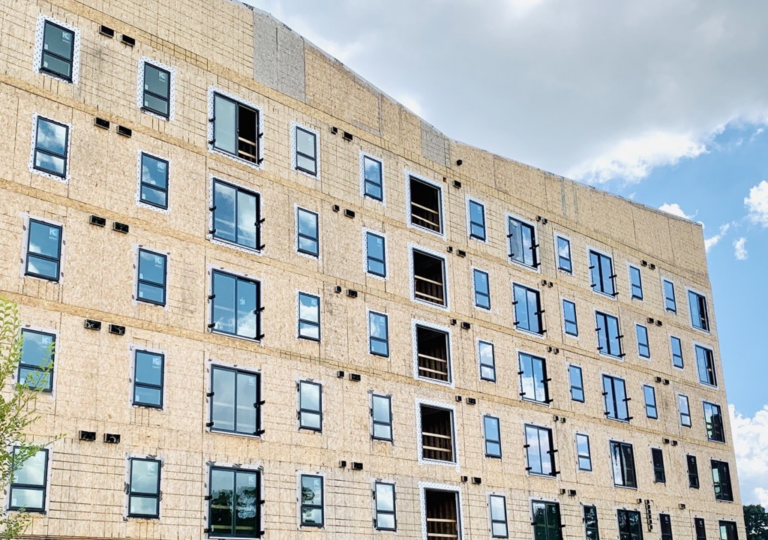
- Strengthen your knowledge of mid-rise wood-frame design with practical guidance from industry experts in Calgary.
Calgary – Workshop: Mid-Rise Wood Design Essentials for Structural Engineers
- Join us for a focused half-day workshop that demystifies the essentials of mid-rise wood design for structural engineers. This practical, content-rich session brings together leading voices from WoodWorks, Weyerhaeuser, Simpson Strong-Tie, and AcoustiTech to explore the full spectrum of mid-rise design considerations—from wood-frame optimization and EWP performance to lateral systems, fire-resistant assemblies, and real-world construction details. Through case studies, technical guidance, and insights from seasoned practitioners, attendees will gain actionable strategies to design safer, more efficient, and cost-effective 5–6 storey wood buildings. Whether you’re deepening your expertise or looking to strengthen collaboration across the construction team, this workshop offers an invaluable opportunity to gain clarity, confidence, and guidance from those who solve mid-rise design challenges every day.
- August 19, 2026
- The Westin Calgary Airport, Aero Drive Northeast, Calgary, AB, Canada

Steve McManus

Tim Wagner

Brett Mueller
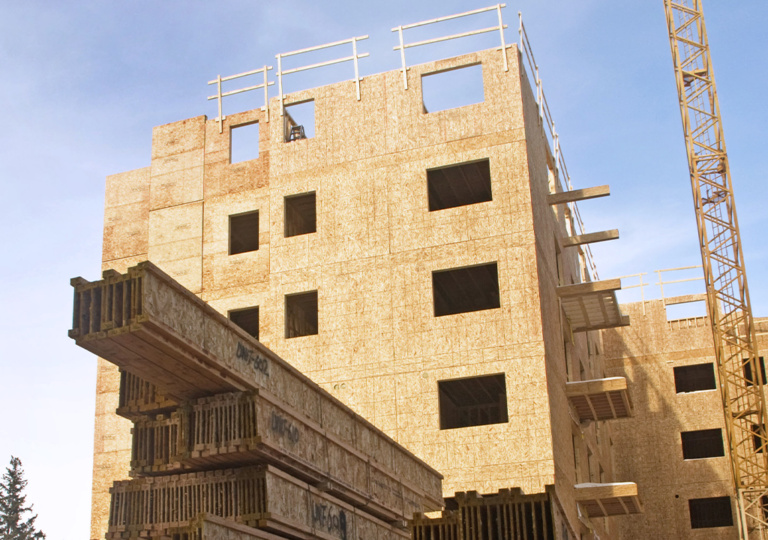
- Join WoodWorks Alberta in Edmonton for practical training on 5-6 storey wood-frame building design.
Edmonton – Workshop: Mid-Rise Wood Design Essentials for Structural Engineers
- Join us for a focused half-day workshop that demystifies the essentials of mid-rise wood design for structural engineers. This practical, content-rich session brings together leading voices from WoodWorks, Weyerhaeuser, Simpson Strong-Tie, and AcoustiTech to explore the full spectrum of mid-rise design considerations—from wood-frame optimization and EWP performance to lateral systems, fire-resistant assemblies, and real-world construction details. Through case studies, technical guidance, and insights from seasoned practitioners, attendees will gain actionable strategies to design safer, more efficient, and cost-effective 5–6 storey wood buildings. Whether you’re deepening your expertise or looking to strengthen collaboration across the construction team, this workshop offers an invaluable opportunity to gain clarity, confidence, and guidance from those who solve mid-rise design challenges every day.
- August 18, 2026
- Courtyard by Marriott Edmonton West, 184 Street Northwest, Edmonton, AB, Canada
Steve McManus
Tim Wagner
Brett Mueller

- WoodWorks returns to The Buildings Show in 2026 bringing technical expertise and industry insight through a new partnership with CWC.
WoodWorks at The Buildings Show 2026
- WoodWorks at The Buildings Show in Toronto Returns for 2026! As part of an exciting collaboration between the Canadian Wood Council and The Buildings Show, WoodWorks will be integrated into North America’s leading event for the built environment, bringing together thousands of design, construction, development, and building industry professionals under one roof. Join us December 2–4, 2026, at the Metro Toronto Convention Centre for three days of learning, networking, and discovery. Attendees can look forward to accredited educational sessions focused on wood design and construction, access to technical expertise from industry leaders, and dedicated exhibit spaces showcasing the latest wood products, technologies, and innovations. With more than 18,000 attendees, 700+ exhibitors, and 120+ educational sessions, The Buildings Show is where Canada’s built environment comes together to explore what’s next.
- December 2, 2026
- Metro Toronto Convention Centre, Front Street West, Toronto, ON, Canada

- Connecting Western Canada’s Building & Construction Industries
WoodWorks at BUILDEX 2027
- Stay tuned for details regarding ticket prices and availability! WoodWorks is once again partnering with BUILDEX Vancouver in 2027 to deliver WoodWorks at BUILDEX — a dedicated program that brings together wood design innovation, technical expertise, and industry perspectives from across Western Canada. This two-day collaboration within BUILDEX is designed to equip architects, engineers, developers, and builders with the latest strategies, technologies, and lessons learned from the field. Design Challenge WoodWorks is excited to launch a new initiative at BuildEX 2027 in partnership with Informa. This year, WoodWorks is hosting a Design Challenge in partnership with Fast + Epp’s Concept Lab. This competition aims to develop a design for a feature structure as the centerpiece of WoodWorks Pavilion. The challenge is open to the construction industry at large and seeks to highlight the versatility of wood construction through material re-use and kits-of-parts approach to construction. Download Brief (.pdf) Download Addendum #1 Submissions shall consist of a minimum of two (2) renderings and a preliminary list of materials to be used. The selected team will receive up to $4,000 for the detailed design of the structure. Submissions will close on Friday, July 31st. Call for Speakers Our team is pleased to share the WoodWorks at BuildEX 2027 Call for Speakers and to invite ideas that can inform, challenge, and inspire the wood design and construction community. Whether you have a compelling project story, a practical technical lesson, or a case study with clear takeaways, this is an opportunity to contribute to a program focused on real-world knowledge sharing and industry impact. Preference will be given to submissions focusing on the following topics. Please note that only Part 3 buildings will be considered: Business case studies for light-frame and mass timber highlighting cost, schedule, and financial viability Successful applications of Modern Methods of Construction that resulted in cost and schedule savings on completed projects Practical seismic solutions for light-frame mid-rise residential, or low-rise institutional (high importance and post-disaster) Complex applications that required high levels of coordination across multiple disciplines Sustainability and energy performance benefits of timber construction with an emphasis on the impacts of high energy efficiency on architecture and structural Applied sustainable forestry and sourcing (e.g. reclaimed lumber, design for deconstruction, local sourcing) Societal benefits of wood construction in public buildings Successful submittals will include: Multiple speakers that explore various stakeholder perspectives (two speakers minimum, with three speakers strongly recommended) A focus on practical knowledge sharing and industry education Lessons learned that can be applied to a wide range of project types and structural systems Both successes and shortcomings of a given approach or project For further questions, please do not hesitate to contact Alejandro Coronado ([email protected]), Technical Manager. The Call for Speakers is open until August 10, 2026. Submit your proposal here. About BUILDEX Vancouver BUILDEX is Western Canada’s largest building and construction event, connecting thousands of design, construction, and real estate professionals. Over two days, attendees explore 350+ exhibits, hear from 200+ industry experts, and discover products, services, and ideas that are shaping the built environment.
- February 10, 2027
- Vancouver Convention Centre West Building, Canada Place, Vancouver, BC, Canada

- Save the date! WoodWorks Alberta and the Canadian Wood Council are bringing the Wood Solutions Conference back to Calgary this fall.
Wood Solutions Conference: Calgary 2026
- Join us November 4-5, 2026, at The Westin Calgary Airport for Alberta’s premier event dedicated to wood design and construction. This conference will bring together expert-led seminars, cutting-edge innovations in wood building systems, and top-tier networking opportunities for professionals in architecture, engineering, and construction. Registration is to open on October 1st! Attendee Registration: Early Bird: $149 Regular: $199 Exhibitor Booths: 10×10: $1599+GST Location:The Westin Calgary Airport671 Aero Drive NECalgary, AB T2E 7Y5
- November 4, 2026
- 671 Aero Crescent Northeast, Northeast Calgary, Calgary, AB T2E 7Y5, Canada

- Mark your calendars! WoodWorks Atlantic and the Canadian Wood Council are pleased to present the Wood Solutions Conference in Moncton this fall.
Wood Solutions Conference: Moncton 2026
- Mark your calendars! WoodWorks Atlantic and the Canadian Wood Council are pleased to present the Wood Solutions Conference in Moncton this fall — and we want you there. Join us November 17–18, 2026, at the Delta Hotels Beausejour for Atlantic Canada’s premier event dedicated to wood design and construction. This two-day conference and trade show will feature expert-led seminars, the latest innovations, and valuable networking opportunities for professionals in architecture, engineering, and construction. Location: Delta Hotels Beausejour 750 Main Street Moncton, NB E1C Full conference details and registration information coming soon. Whether you’re focused on sustainability, looking to expand your toolkit, or exploring what’s possible with wood, this is an event you won’t want to miss. Stay tuned for Early Bird registration details.
- November 17, 2026
- 750 Main Street, Moncton, NB E1C 1E6, Canada

