...Wood Council is proud to support Woodrise 2025, an international conference coming to Vancouver, British Columbia. As part of this event, the 5th International Congress on tall wood construction, we’ve...
Tall wood buildings offer tremendous potential for low-carbon, high-performance construction, but they also introduce a distinct set of challenges not typically encountered in conventional approaches. Design teams new to this...
We are pleased to share the Canadian Wood Council’s 2024 Annual Report, offering a clear view of the progress, resilience, and impact achieved over the past year. In his message,...
In wood construction, success is rarely improvised. It’s the earned result of early design coordination, clearly communicated expectations, and a shared commitment to getting the details right—from design concept through...
...this will be quite obvious. The wood will be soft and perhaps even be breakable by hand. Decayed wood breaks with a carrot-like snap versus the splintering of sound wood....
This Guide is designed to help educators increase wood content in their already crowded curricula, exposing students to the unique challenges and opportunities of designing with advanced wood systems, within...
...recycled is generally incinerated for waste-to-energy conversion or shredded for biomass. Deconstructing wood buildings and reusing the salvaged wood for new construction would extend the lifespan of the wood, add...
Buildings that stand the test of time aren’t just durable—they are cherished. When we invest in quality materials and good design, we can create buildings that people connect with. As...
Treatment during engineered wood product manufacture
Some engineered wood panel products, such as plywood and laminated veneer lumber (LVL) are able to be treated after manufacture with preservative solutions, whereas thin strand based products (OSB, OSL)...
Reassessment of Design Values for Hem-Fir (N) Dimension Lumber (Canadian Market)
...and the National Design Specification® (NDS®) Supplement for Wood Construction, developed by the American Wood Council (AWC). Within the NDS® Supplement, these updates specifically apply to Tables 4A and 4C,...
Lateral Bracing Requirements – Part 9 of the BC Building Code 2024
Purpose: This publication provides detailed guidance on the BC Building Code 2024 requirements for lateral bracing in Part 9 wood-frame houses. It explains the building material requirements and construction methods...
Wood is composed of many small cellular tubes that are predominantly filled with air. The natural composition of the material allows for wood to act as an effective...
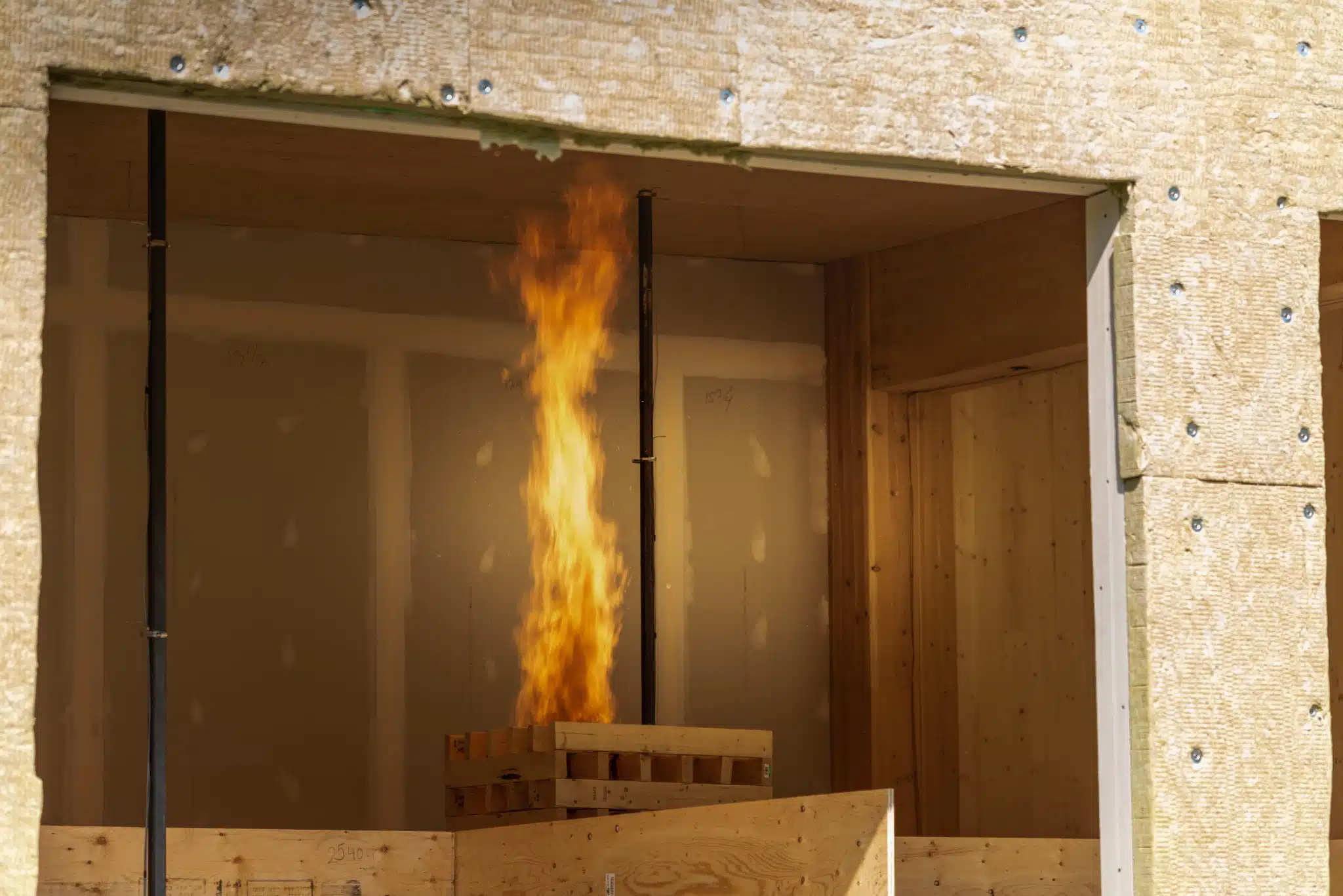
The provision of fire safety in a building is a complex matter; far more complex than the relative combustibility of the main structural materials used in a building. To...
In addition to combustible, heavy timber and noncombustible construction, a new construction type is presently being considered for inclusion into the National Building Code...
Flame spread is primarily a surface burning characteristic of materials, and a flame-spread rating is a way to compare how rapid flame spreads on the surface of one material...
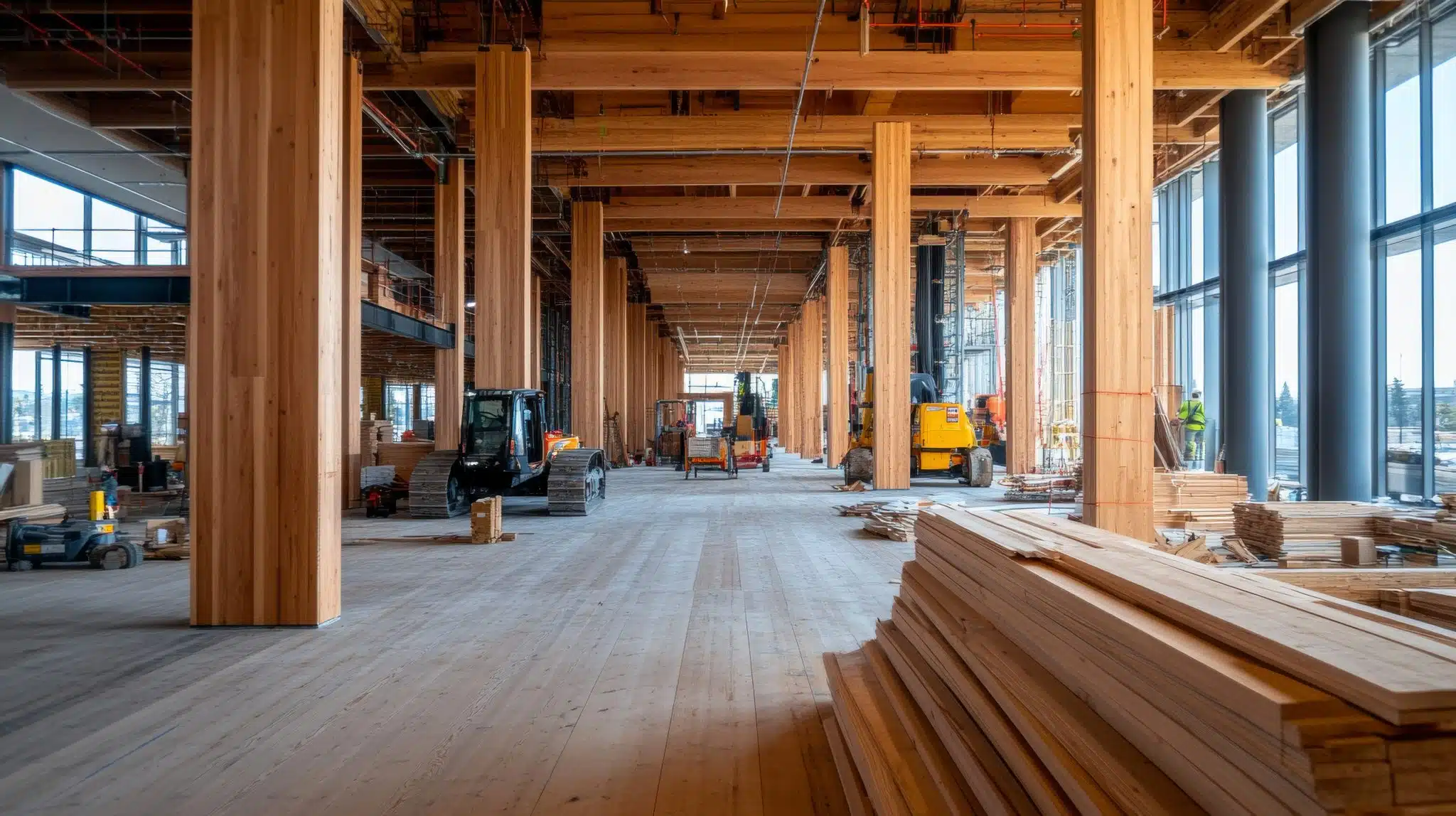
The vulnerability of any building in a fire situation is higher during the construction phase when compared to the susceptibility of the building after it has been completed...
A structure must be designed to resist all the loads expected to act on the structure during its service life. Under the effects of the expected applied loads, the structure...
For many years, the design values of Canadian dimension lumber were determined by testing small clear samples. Although this approach had worked well in the past, there were...
“Durability by design” is the most important aspect of durable solutions. It starts with using dry wood, storing it appropriately to ensure it stays dry, and then...
For outdoor applications of wood, we have a strong tradition here in North America of using our naturally durable species: Western red cedar, Eastern white cedar, yellow...
Treating Methods There are two basic methods of treating: with and without pressure. Non-pressure methods are the application of preservative by brushing, spraying or dipping...
The appearance of wood can be modified with the application of an architectural coating. Architectural coatings are surface coverings such as paints and stains applied...
Non-Pressure Treated Wood For most treated wood, preservatives are applied in special facilities using pressure. However, sometimes this isn’t possible, or the need for...




 Environment


