As part of Sustainable Growth: Ontario’s Forest Sector Strategy, the Government of Ontario committed to increasing the use of wood in construction to grow and diversify the market for Ontario’s...
...leading to changes in insurance rates as well. The methodology for determining insurance rates for taller wood buildings is similar to that of low-rise builds. Combine that with the relatively...
Recognizing the barriers to adoption, the Canadian Wood Council has proactively mobilized a response strategy. As a first step, we have commissioned several studies to investigate and understand the workings...
ICC-ES Listing report for self-tapping screws for Canada
...screw systems. Developed as a compliance and reference document, the ICC-ES Listing Report supports informed decision-making and facilitates code acceptance for self-tapping screws used in wood and hybrid construction in...
Hybrid buildings: what they are and why they’re gaining ground in the construction industry
...document provides an overview of how wood is combined with materials such as steel and concrete to achieve performance, efficiency, and design objectives. The document outlines common hybrid building configurations,...
Timber screws and connections: preventing failure through correct installation
...document highlights how improper installation practices can compromise load capacity, durability, and overall structural performance in wood construction. The document examines common causes of connection failure, including incorrect screw selection,...
Courtesy of the Mass Timber Institute There is much to learn from the resilient and adaptable warehouse buildings that line the streets of Canada’s historic manufacturing districts. ‘Historical Tall-Wood Toronto’...
...North American buildings built in the 1800s, wood construction has proven it can stand the test of time. Although wood building technology has been changing over time, wood’s natural durability...
...Office has updated the “Best Practice Guide for Wood-Frame Envelopes in the Coastal Climate of British Columbia” originally developed by Canada Mortgage and Housing Corporation and published “Building Enclosure Design...
...with all woodworking. Here are a few key points specific to treated wood: Pressure-treated wood is not a pesticide, and it is not a hazardous product. In most municipalities, you...
...preservative-treated wood can have 5 to 10 times the service life of untreated wood. This extension of life saves the equivalent of 12.5% of Canada’s annual log harvest. Preserved wood...
Wood is the most significant building material we use today that is grown by the sun. When harvested responsibly, wood is arguably one of the best tools architects and...
The Wood Reference Handbook is much more than a guide to the architectural use of wood in building construction – it is a beautifully assembled homage to fine wood...
Engineers, architects, building code officials, builders, developers, students and professors all turn to Introduction to Wood Building Technology – the most current guide...
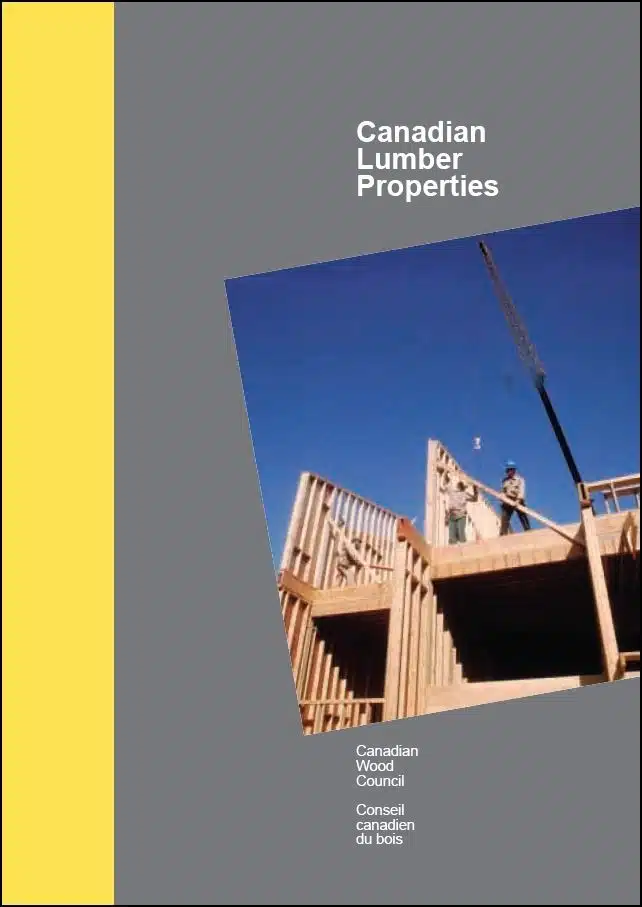
Canadian Lumber Properties is a source of information on the structural properties of Canadian softwood lumber derived from full-size (“in-grade”) tests.
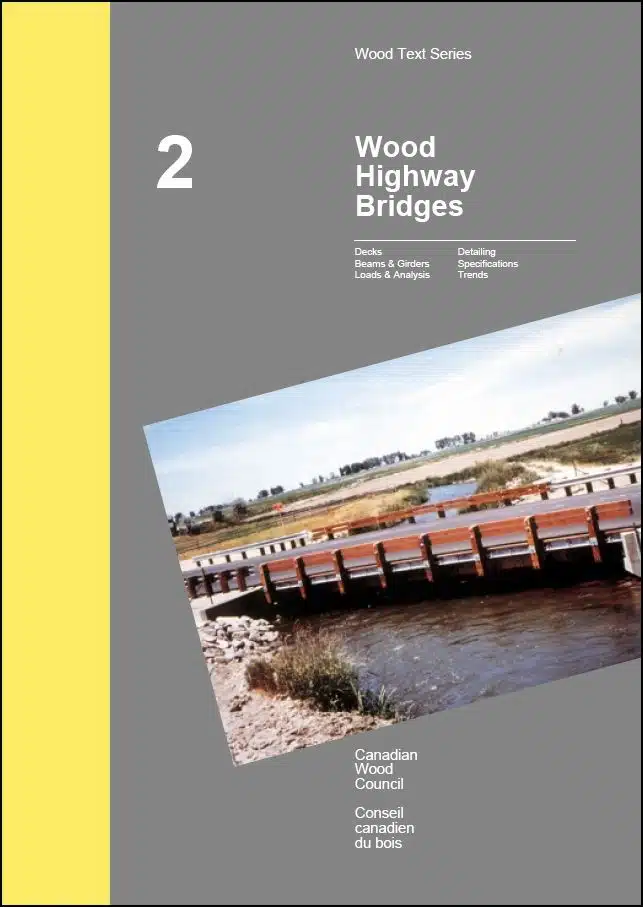
Wood Highway Bridges demonstrates how wood bridges can be designed to be assembled rapidly, resist deterioration caused by de-icing chemicals, and utilize stress-laminating...
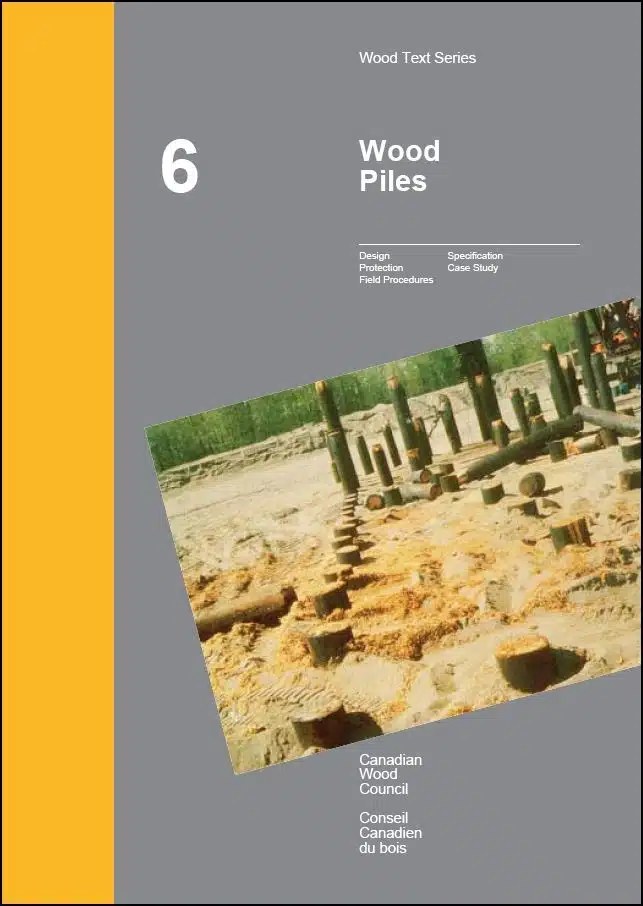
Wood Piles provides clear and concise coverage of a topic that is often considered obscure However, wood piling has been used around the world to support heavy loads for...