...Office has updated the “Best Practice Guide for Wood-Frame Envelopes in the Coastal Climate of British Columbia” originally developed by Canada Mortgage and Housing Corporation and published “Building Enclosure Design...
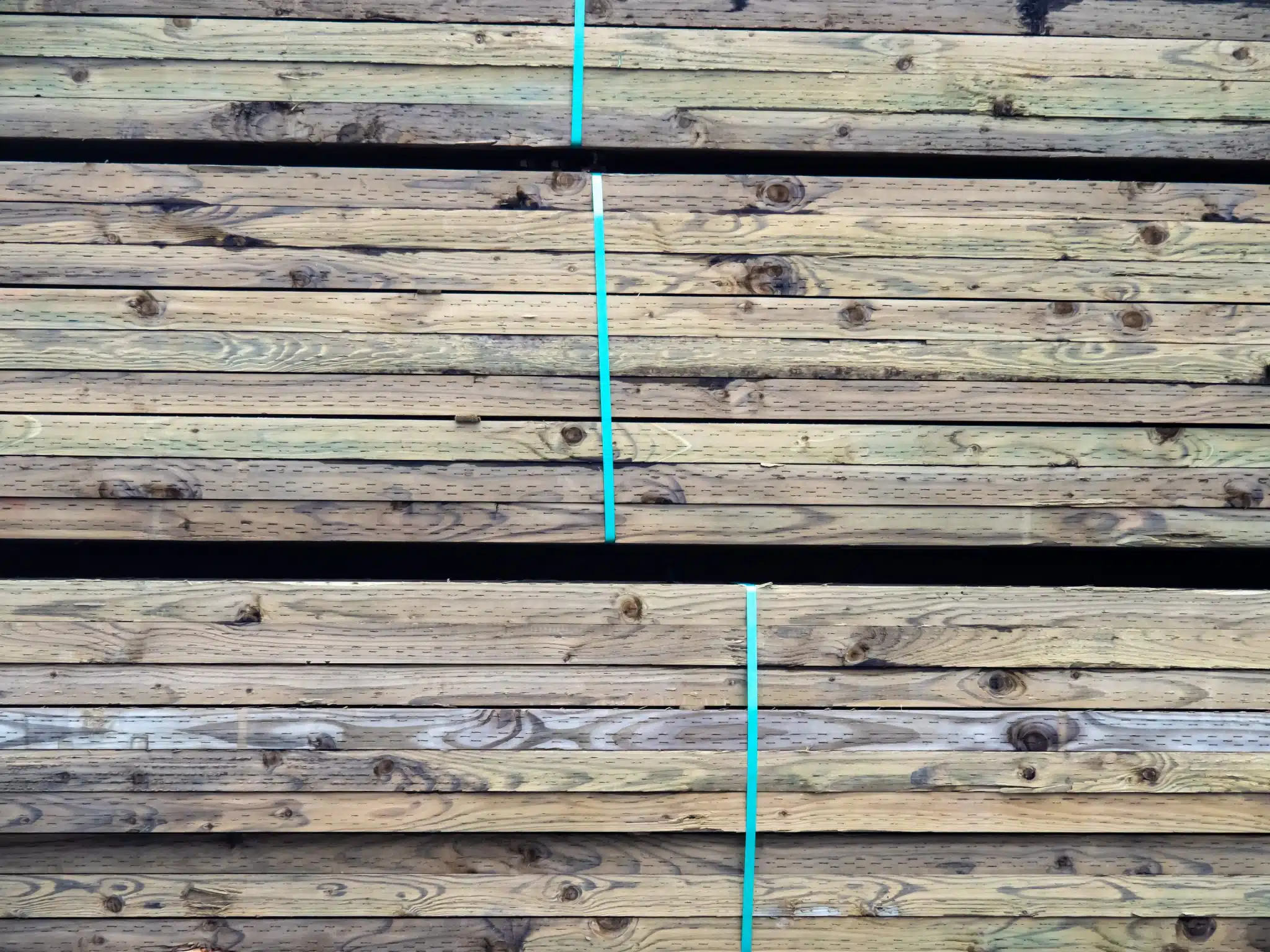
...with all woodworking. Here are a few key points specific to treated wood: Pressure-treated wood is not a pesticide, and it is not a hazardous product. In most municipalities, you...
...preservative-treated wood can have 5 to 10 times the service life of untreated wood. This extension of life saves the equivalent of 12.5% of Canada’s annual log harvest. Preserved wood...
...Canadian Oriented Strand Board View Resource An Industry Average EPD for Canadian Softwood Plywood View Resource A Regionalized Industry Average EPD for Canadian Wood Trusses View Resource Stakeholders within the...
...sure why. If wood is badly decayed, this will be quite obvious. The wood will be softer than normal and perhaps even be breakable by hand. Decayed wood often has...
...and follow all manufacturer’s instructions. Surface Preparation for Aged Wood Wood coatings need a fresh surface or the coating simply won’t last. The longer wood has been allowed to weather, the poorer...
Select heartwood where possible to minimize nutrient content of wood surfaces and prevent nutrients migrating through the coating to support fungal growth on the surface. Round all corners to minimum...
For new wood, remember: The wood must be dry. Drying time depends on a few factors. Ideally the wood should be kiln-dried (stamped “S-DRY”, “KD” or “KDAT”, see glossary of...
Glossary
...Soluble chemicals particularly present in the heartwood of some species which provide the wood with resistance to decay and insects. Fungicide A substance which inhibits the growth of fungus. Often...
Canada has had a wood preservation industry for about 100 years. Canada is tied with the UK as the world’s second largest producer of treated wood (the USA is first,...
FPInnovations has been field testing the performance of treated wood products for years. Click one of these categories for performance data from our field tests. Borate-treated Wood vs. Termites Round...
...of how to protect wood from decay and fire, we can expect today’s wood buildings to be around for as long as we wish. While wood does not have the...
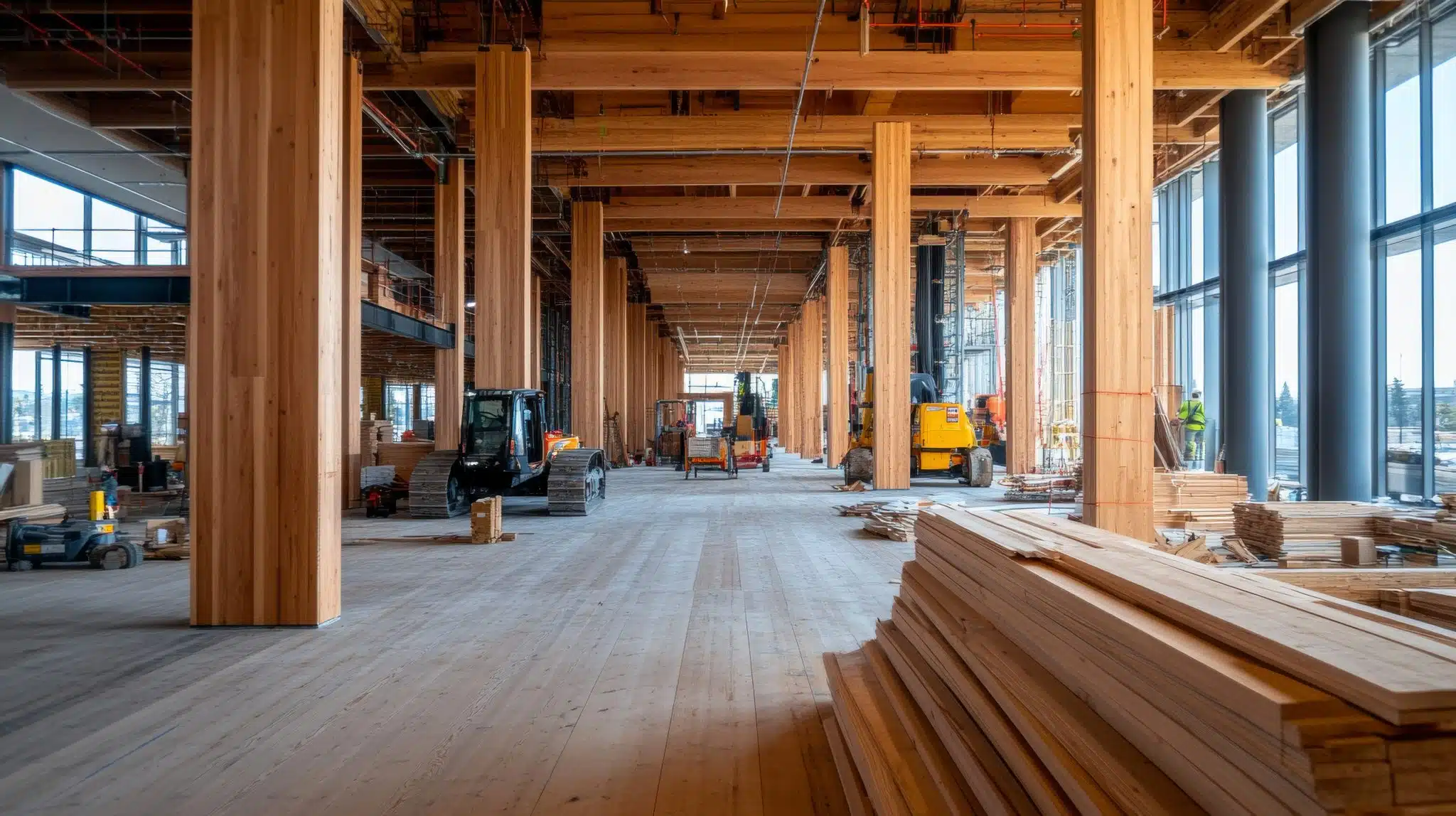
In addition to combustible, heavy timber and noncombustible construction, a new construction type is presently being considered for inclusion into the National Building Code...
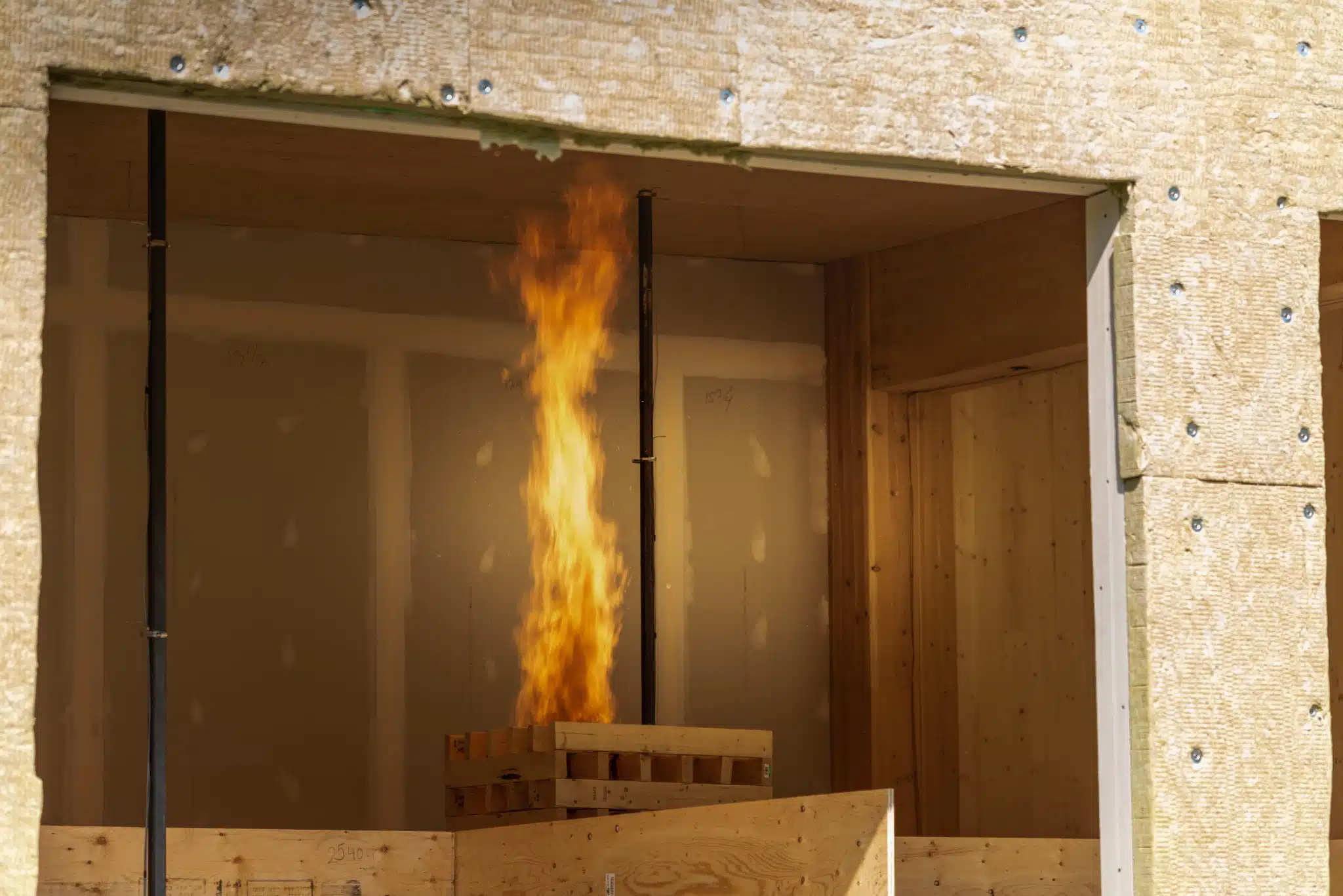
The National Building Code of Canada (NBC) defines fire safety under Objective OS1: “an objective of this code is to limit the probability that as a result of the design or...
Flame spread is primarily a surface burning characteristic of materials, and a flame-spread rating is a way to compare how rapid flame spreads on the surface of one material...
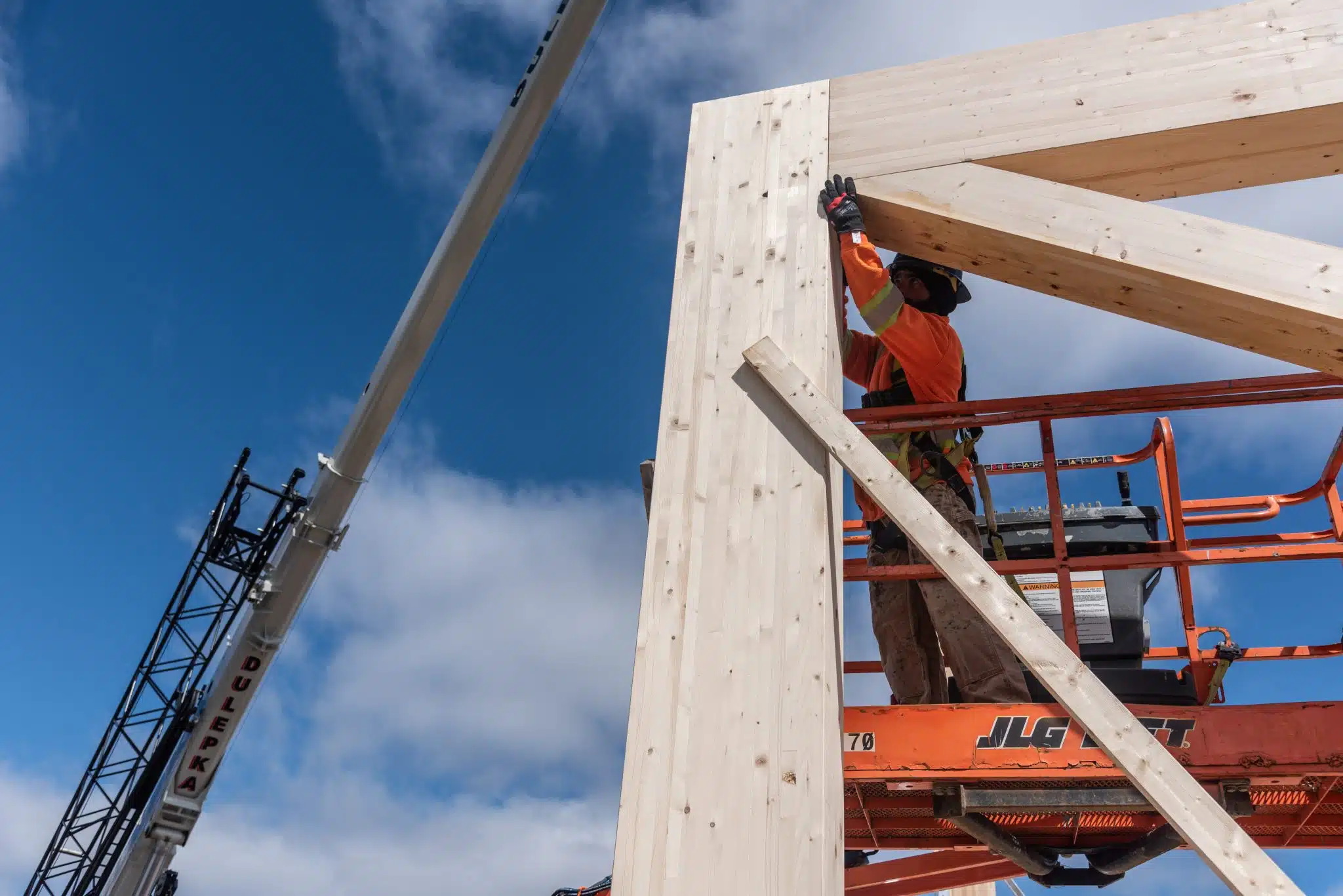
The vulnerability of any building in a fire situation is higher during the construction phase when compared to the susceptibility of the building after it has been completed...
A structure must be designed to resist all the loads expected to act on the structure during its service life. Under the effects of the expected applied loads, the structure...
For many years, the design values of Canadian dimension lumber were determined by testing small clear samples. Although this approach had worked well in the past, there were...
A permanent wood foundation (PWF) is an engineered construction system that uses load-bearing exterior light-frame wood walls in a below-grade application. A PWF consists of...
“Durability by design” is the most important aspect of durable solutions. It starts with using dry wood, storing it appropriately to ensure it stays dry, and then...
For outdoor applications of wood, we have a strong tradition here in North America of using our naturally durable species: Western red cedar, Eastern white cedar, yellow...
Treating Methods There are two basic methods of treating: with and without pressure. Non-pressure methods are the application of preservative by brushing, spraying or dipping...
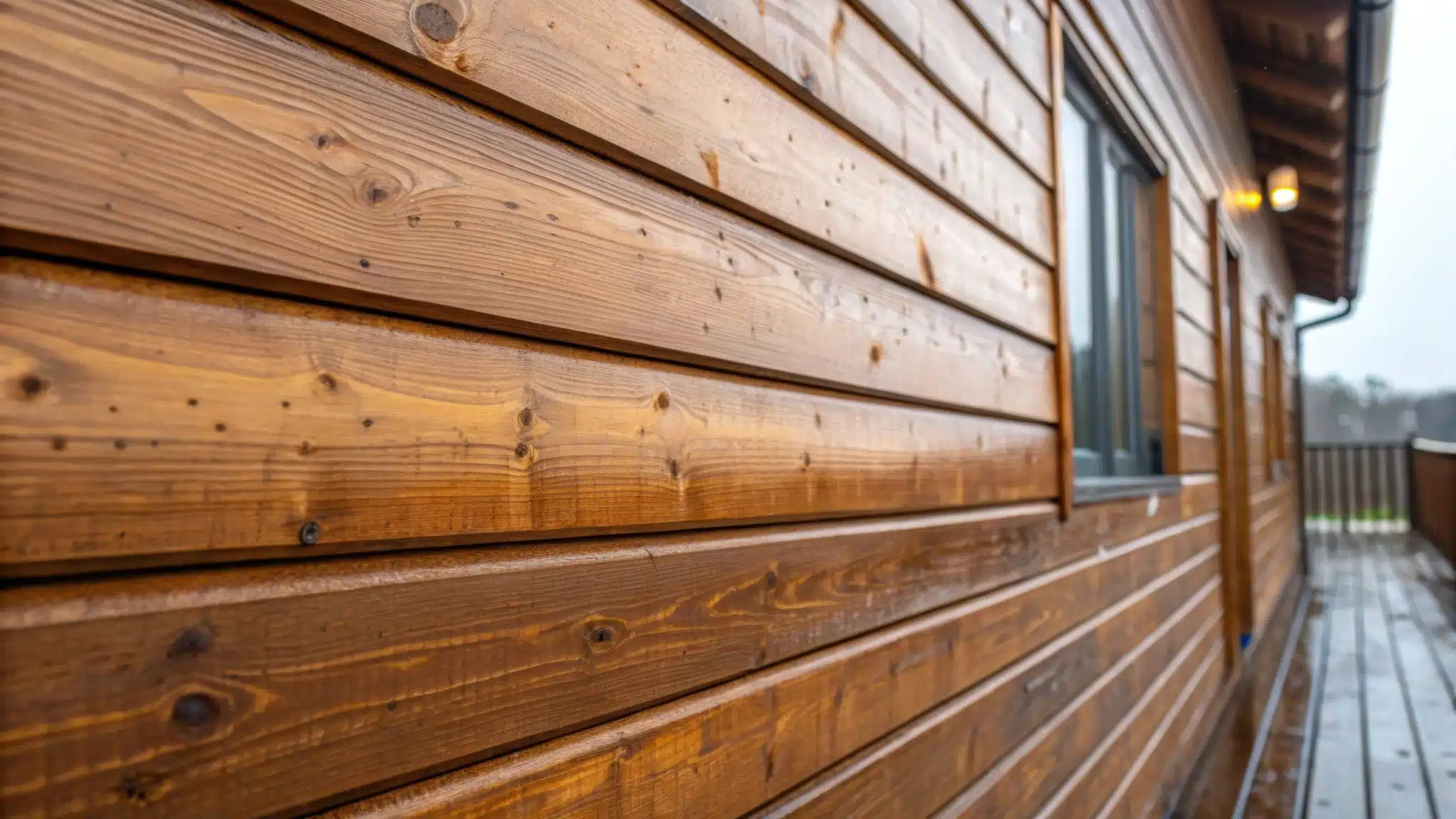
The appearance of wood can be modified with the application of an architectural coating. Architectural coatings are surface coverings such as paints and stains applied...
Non-Pressure Treated Wood For most treated wood, preservatives are applied in special facilities using pressure. However, sometimes this isn’t possible, or the need for...




 Environment


