
Inspired Design
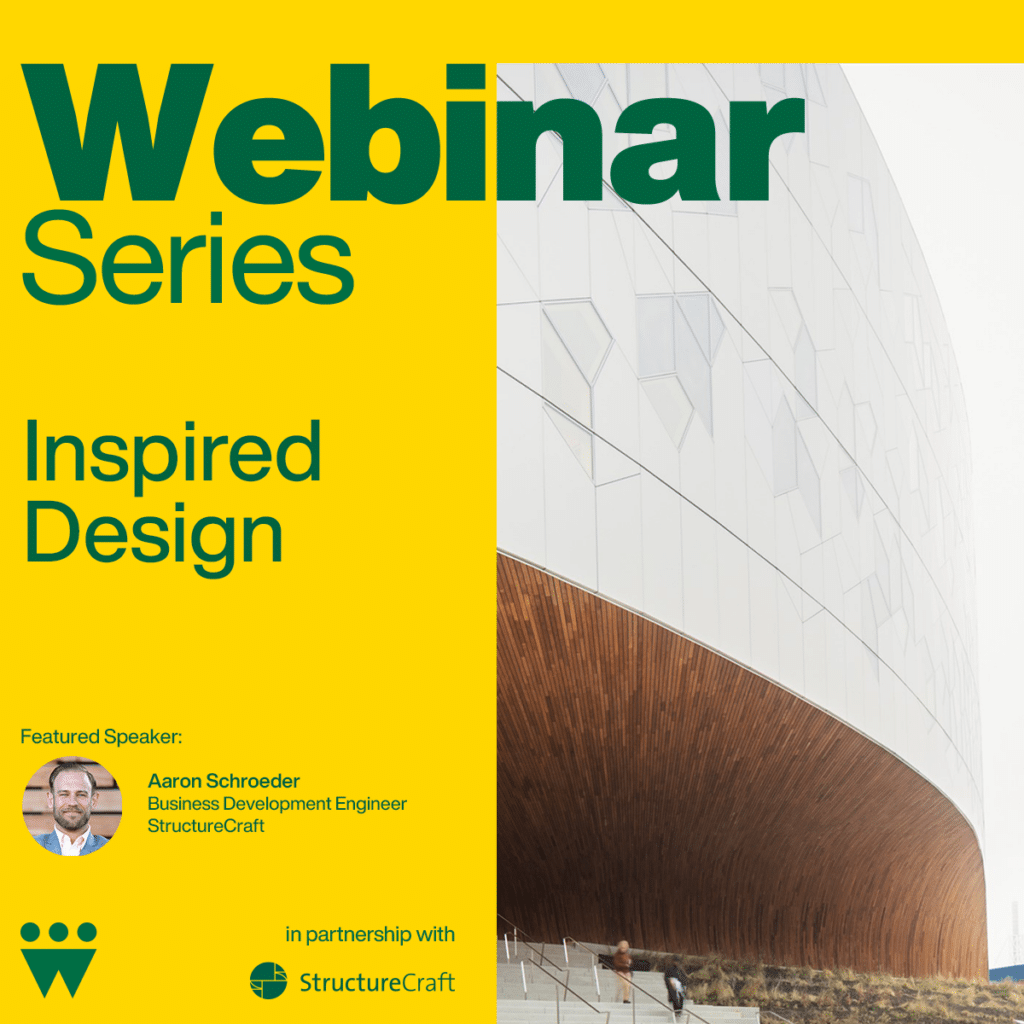
Course Overview This presentation explores the art and science of inspired structural design, emphasizing how engineering can harmonize beauty, efficiency, and sustainability. By allowing the structure itself to help inform the concept, it is possible to craft designs that are not only innovative but also deeply connected to their environment. This session will delve into strategies for designing sustainably, focusing on the most structurally efficient use of materials to reduce waste and environmental impact. Through case studies and examples, the presentation highlights how thoughtful engineering creates beautiful structures that people love to own and use. Attendees will leave with actionable insights into achieving designs that inspire and perform. Learning Objectives Inspired design does not need to cost more, it is often more economical. Design-Build is the perfect delivery method for true Inspired Design. Inspired design requires a cohesive design team from the start. Collaboration of project constraints is key to Inspired Design. Course Video Speaker Bio Aaron Schroeder Business Development Engineer StructureCraft Aaron graduated from the University of British Columbia with a bachelor’s degree in civil engineering and began his career as a structural engineer in the residential construction industry, earning his P.Eng. designation in 2018. His project portfolio spans heavy civil concrete structures, high-end single-family homes, and multi-family residential complexes. Since Joining the StructureCraft Team in 2021, Aaron served as the project engineer for the 7-story T3 office building in Nashville, Tennessee, before transitioning to the Business Development team. With a strong foundation as a structural engineering consultant, construction contracting experience, and a personable/outgoing demeanor, Aaron is passionate about fostering meaningful connections within the AEC industry. As one of the primary points of contact for new project inquiries, he plays a key role in introducing clients to StructureCraft’s innovative approach.
Harnessing Prefabrication: How to Navigate the Design and Construction Process
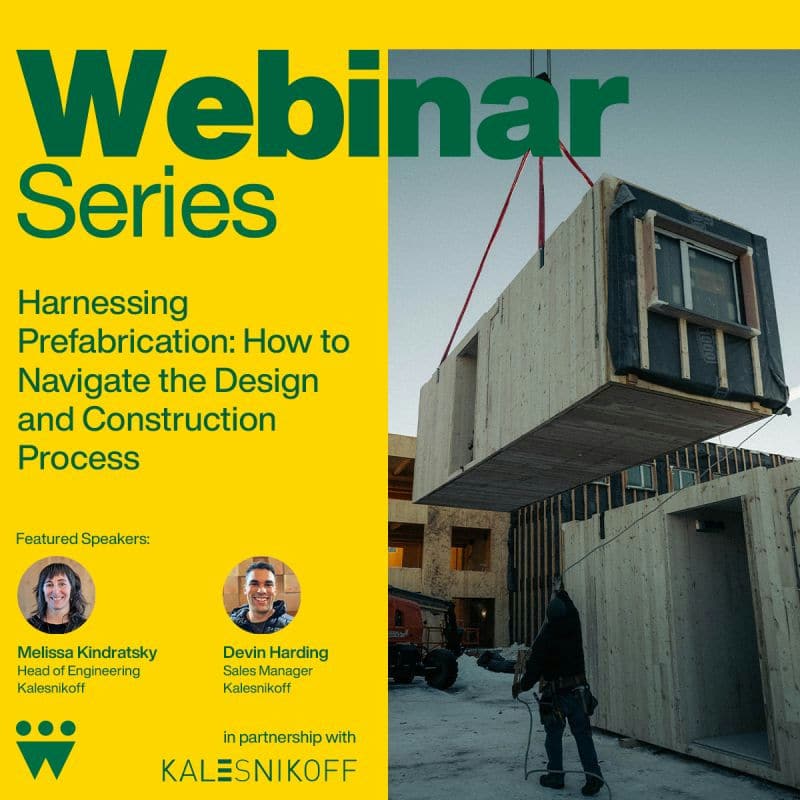
Course Overview This course offers an in-depth discussion on the evolving landscape of modular and prefabricated construction. The course will explore how to evaluate and integrate different levels of prefabrication based on project goals, site conditions, and logistical constraints. Key topics include site planning, design coordination, transportation logistics, and navigating regulatory requirements. We’ll also delve into technical considerations—comparing mass timber and drywall fire ratings, evaluating STC performance, and planning for MEP sub-module integration. The session will conclude with strategies for structural design of modular systems and insights on avoiding common post-construction pitfalls. Grounded in lessons learned from a completed multi-family volumetric modular CLT project, this presentation offers practical tools for design professionals, engineers, and developers looking to optimize prefabrication in their projects. Learning Objectives Understand key decision-making criteria for selecting appropriate prefabrication strategies. Apply a framework for integrating prefabrication into project planning and delivery. Recognize technical challenges and solutions in modular design, including fire ratings, acoustics, and MEP coordination. Identify best practices for optimizing structural integration and avoiding post-construction issues. Course Video Speaker Bio Melissa Kindratsky Head of Engineering Kalesnikoff Devin Harding Sales Manager Kalesnikoff
Diversify Your Structural Portfolio: Wood in Low-Rise Commercial Construction
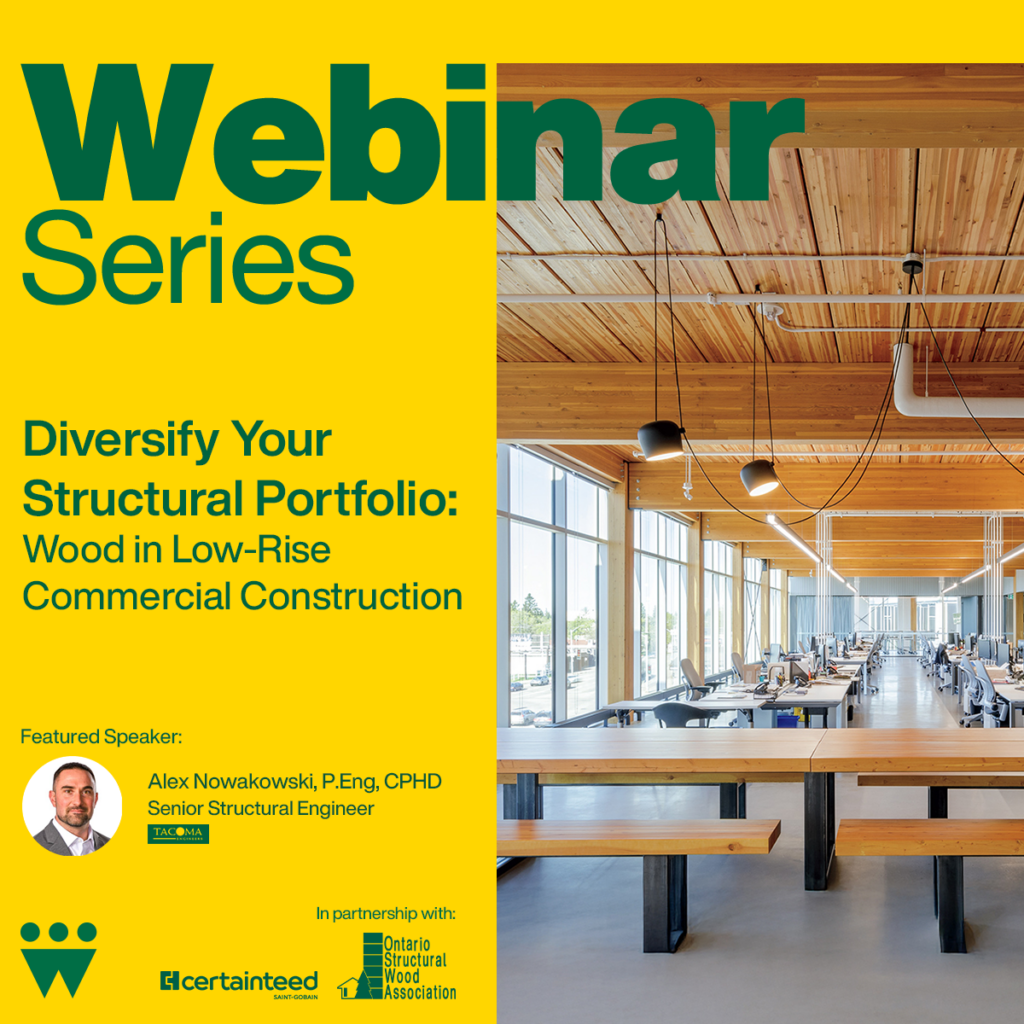
Course Overview This course will explore the use cases for incorporating more wood into a sector that is typically dominated by structural steel construction. We will look at Light Wood Framing (LWF), Structural Composite Lumber (SCL), Mass Timber (MT), and Hybrid Systems that may incorporate any or all of these materials, as well as structural steel. What is important is using the right material in the right application. Several examples from the CWC Publication “Low-Rise Commercial Construction in Wood: A guide for Architects and Engineers”, as well as real project examples from the presenter. Learning Objectives Identify strengths and weaknesses of various wood products. Learn to select the right wood material/system for the most efficient and cost effective structure. Highlight critical details and identify potential red flags to ensure a successful project. Provide useful examples, resources and tools for the practitioner to add to their “tool belt”. Course Video Speaker Bio Alex Nowakowksi Engineer, Senior Associate, and Barrie Team Lead Tacoma Engineers Alex is a Professional Engineer, Senior Associate, and Barrie Team Lead for Tacoma Engineers. Alex has been with Tacoma Engineers since 2012. As a Senior Structural Engineer and Project Manager, Alex has been the Primary Structural Engineer and Specialty Structural Engineer on a wide variety of wood projects in the Commercial, Institutional, Multi-Family, Agricultural and Residential Sectors.
Design Options for Three and Four Storey Wood School Buildings in British Columbia
Course Overview There are currently a number of planned new school projects throughout British Columbia that require either three ‐ or four‐storey buildings, and this demand is increasing as land values continue to rise. Though timber construction offers a viable option for these buildings, code constraints have limited timber schools to a maximum of two storeys while also imposing overall floor area limitations. Consequently, the development of viable structural options for larger timber school buildings has lagged. This session will explore the range of possible timber construction approaches for school buildings up to four storeys in height within a seismic region. Learning Objectives 21st century school planning principles and their impact on timber building construction. Timber vertical load‐bearing systems with a focus on the technical considerations and architectural implications related to school buildings. Timber lateral force‐resisting systems with a focus on the technical considerations and architectural implications related to school buildings. Comparison of a few possible design concepts for four‐storey timber school buildings. Course Video Speaker Bio Nick Bevilacqua Associate Principal Fast + Epp With 15 years of industry experience, Nick has a broad experience base that enables him to be fluent in all building types and primary structural materials. Nick has considerable experience in the education sector, and is currently working on a number of schools throughout the province that feature various configurations and degrees of timber construction. Ray Wolfe Partner Thinkspace Architecture Planning and Interior Design Ray is an architect and partner at Thinkspace Architecture Planning and Interior Design. He is an award‐winning architect with a focus on institutional and specifically education projects. As a practicing architect, Ray has been involved in advancing the knowledge of topics such as modular construction, school area standards and a variety of studies involving the use of wood in schools with the Ministry of Education, FII and Wood WORKS!. Ray believes passive sustainable strategies and the use of wood play an important role in the next generation of education buildings in Canada.
Benefits of Building with Mass Timber
Course Overview Building with mass-timber elements affords a contractor many benefits including quality, accuracy and time. But contractors are often unaware of these benefits until immersed in a new project. With the conversion experience had by Willmott Dixon the company advanced its skills has served to inform their clients and the designers with whom they work. Learning Objectives How a large construction company – transitioned to include mass timber projects in its portfolio. How to evaluate key business considerations — cost, time, environment. How building with mass timber can change the construction planning process — engaging with design teams and clients. How mass-timber projects came to fruition. Course Video Speaker Bio Duncan Purvis With nearly a quarter of a century of experience in the construction industry in operational, commercial, sales, bid writing, marketing and most aspects of the delivery of complex construction projects and offers a 100% customer journey that is built on true trust. With many construction projects from Four Seasons Miami, Natural History Museum London, Pfizer’s European headquarters and many more high-prestige projects. Duncan is proudest of the Multiple Schools projects, that with his Structured Timber Solution, are providing high quality teaching environments that are not only fully sustainable and highly efficient, but also work out as some of the most economical teaching spaces available in Europe.
Architectural Assemblies Simplified: Understanding Structural Grids: Acoustics and Envelopes in Wood Buildings
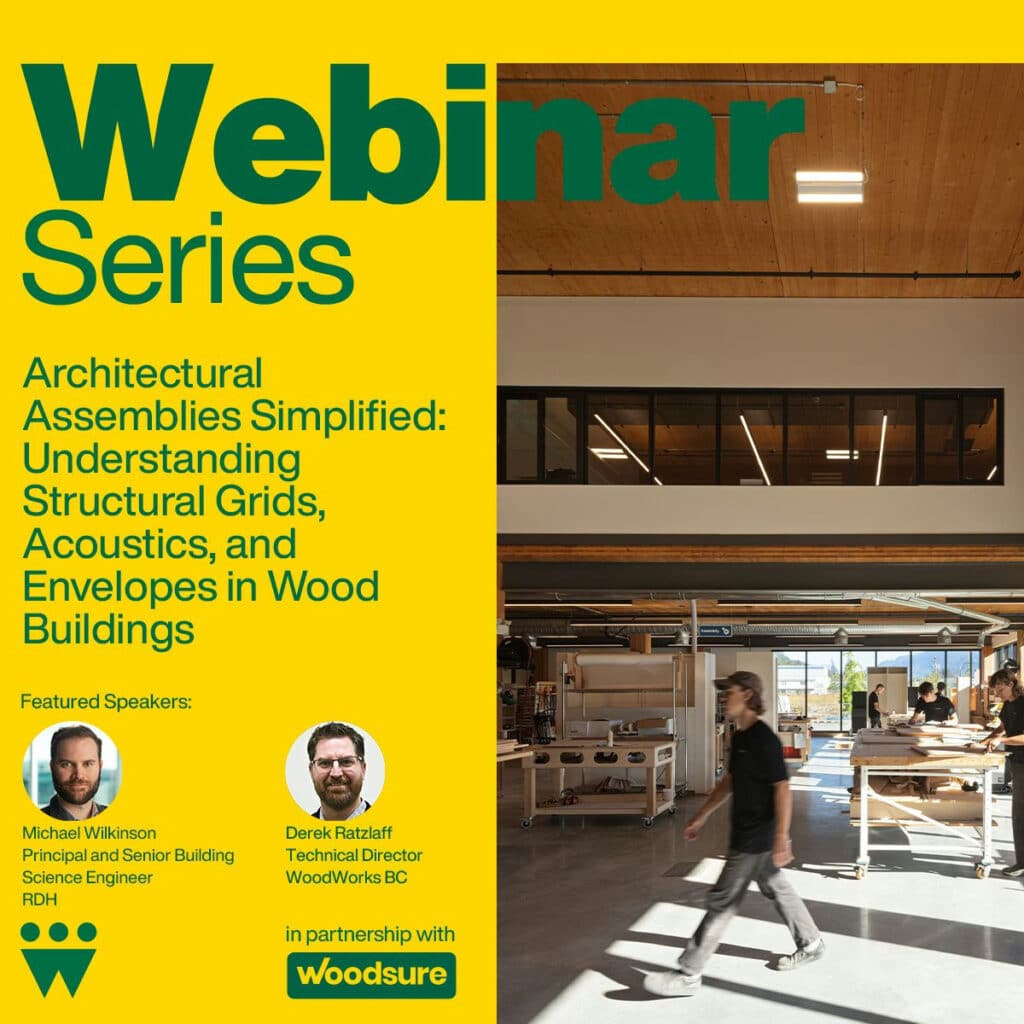
Course Overview This session will help you to formulate effective floor and wall assemblies when designing wood structures, both light wood frame and mass timber. Discussion will cover typical fire ratings and strategies, acoustic performance of different assemblies and effective strategies for weather-tight exterior envelopes. Background on typical structural assemblies for different grid sizes will help you understand how to effectively develop complete assemblies when designing timber buildings. Learning Objectives Participants will understand how to formulate effective floor and wall assemblies for wood structures, including both light wood frame and mass timber, to optimize performance and design efficiency. Participants will understand typical fire ratings and the acoustic performance of various assemblies and gain strategies to enhance the safety and comfort of wood buildings. Participants will learn how to design weather-tight, high-performance exterior envelopes for wood buildings. Participants will discover typical structural assemblies for different grid sizes and learn how to effectively develop complete assemblies when designing timber buildings. Course Video Speaker Bio Michael Wilkinson Principal and Senior Building Science Engineer RDH Michael Wilkinson is a Principal and Senior Building Science Engineer at RDH. He has provided consulting services across a range of building typologies with a focus on high performance and innovative building projects including those that are Passive House, mass timber, and volumetric modular. Michael has also been involved in numerous research projects including product development and performance monitoring and is the lead author of several guideline documents for government agencies and building enclosure product manufacturers. Additionally, Michael is a part-time instructor at the BC Institute of Technology where he teaches building science and construction technology classes. Derek Ratzlaff, P.Eng., Struct.Eng., PE Technical Director, WoodWorks BC Canadian Wood Council Derek began his career in the wood industry in high school working on single and multi-family light wood construction, after university and almost 20 years of structural consulting experience, Derek has worked in all types of wood construction and played key roles in the delivery of iconic BC wood structures, the Richmond Olympic Oval and Grandview Heights Aquatic Centre. He brings his experience in design and construction to support the industry as the Woodworks BC Technical Director.
Application of CLT in high‐end custom homes and mixed‐use residential buildings
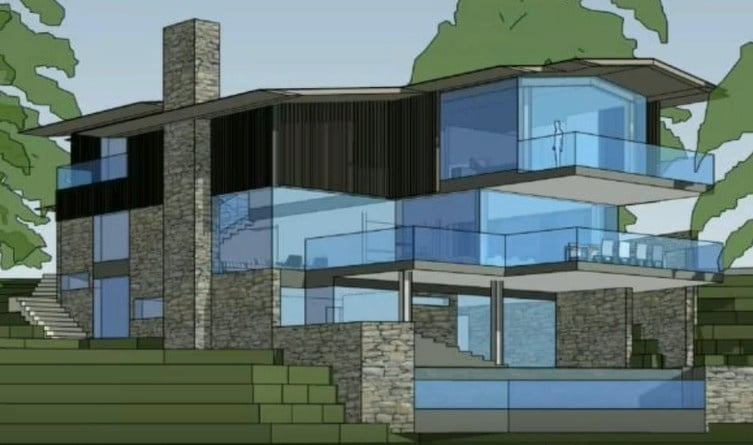
Course Overview Follow our journey of introducing CLT into high end‐custom homes and mixed‐use residential projects in the Greater Vancouver Area. We’ll explore the differences between light wood‐frame and CLT construction from the design and detailing phase right through to the end of construction. You’ll learn how the coordination, supply, and installation processes differ from conventional light wood‐frame projects and how our two examples were received by the design and construction teams. Learning Objectives Design and detailing considerations. Coordination process with design team. Supply consideration. Response of the industry. Course Video Speaker Bio Mehrdad Jahangiri, P.Eng., Dipl. Ing. (Germany) Founding Principal ASPECT Structural Engineers Mehrdad has over 25 years of international experience on notable, architecturally‐oriented projects. His experience enables him to integrate European codes and practices with the North American market, creating new ways for architects and owners to reach their project aspirations. Mehrdad understands the challenge to create carefully detailed, yet efficient structural designs and provides exceptional service to achieve them. Allison DenToom, P.Eng., P.E, LEED Green Associate ASPECT Structural Engineers Allison’s expertise is with the design of high‐end single‐family residences and multifamily residential buildings. From cozy cabins to 30,000+ sf estates, she is well‐versed in projects of all shapes, sizes, and materials. She is passionate about architecturally expressive structures and prides herself on providing the high level of attention that is required to create the finished project.
Advancing North American Mass Timber Projects: Harnessing the Strength of Local Expertise
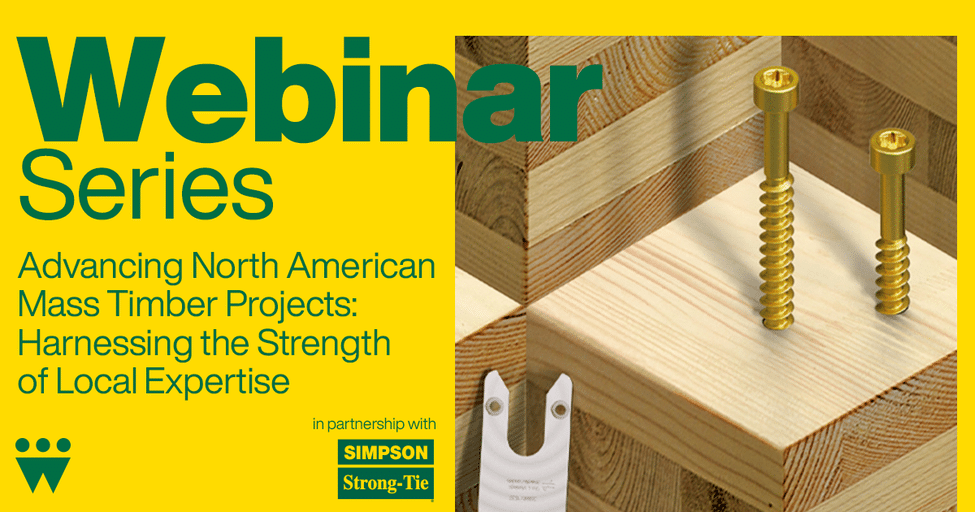
Course Overview As global adoption of mass timber construction accelerates, a growing number of solutions are available in the marketplace that can contribute to the success of your project. This session, presented by Simpson Strong-Tie, will explore some of the unique challenges faced by North American projects and some of the domestically developed solutions available to meet those challenges. Learning Objectives Understand the need for greater tolerance on concealed beam hangers, the importance of ensuring connectors are easy to install, and the specific requirements for large elements in North American buildings. Understand the advantages domestic suppliers can bring to your project, including the rapid delivery of hardware to job sites. Learn about the necessity for effective installation tools and processes tailored to the scale of large North American projects. Learn about the need for effective moisture mitigation and the systems and strategies that can prevent unnecessary exposure of mass timber to the elements during construction. Course Video Speaker Bio Adrian Mitchell Chair of Simpson’s internal Mass Timber Focus Market Committee Simpson Strong-Tie Adrian is a mass timber and off-site business specialist with a principal focus on the rapidly expanding mass timber segment, for which he serves as Chair of Simpson’s internal Mass Timber Focus Market Committee. Adrian has spent the bulk of his 20-year career in the off-site, mass timber, and modular spaces, primarily as a business development leader and private consultant. With professional experiences ranging from heavy civil, oil and gas, high-end custom homes to large-scale mass timber missed-use projects and artificial intelligence in BIM, he has a unique and well-rounded background in wood and steel applications in off-site construction. Adrian is a native of Vancouver, Canada, and a graduate of the British Columbia Institute of Technology’s School of Business, he enjoys all the typical Canadian pastimes like playing hockey, building things from wood, and mountain biking.
A Zero Carbon Hybrid Wood Supertall Future

Course Overview With buildings generating 40% of global carbon emissions, we need to achieve net-zero by 2050 to meet the Paris Agreement target and limit global warming to 2°C. Timber sequesters an average of 1.9 metric tons of carbon-dioxide equivalent emissions per cubic meter (Sathre & O’Connor, 2010). While a purely mass timber tall building may not be the most cost-efficient solution, a hybrid structure can maximize the overall use of wood by volume in the most cost-efficient manner. Floor systems in buildings contribute as much as 73% of the environmental impact of a high-rise building’s structure (Lankhorst et al., 2019), making them an excellent target for reducing embodied carbon. DIALOG’s patent- pending Hybrid Timber Floor System (HTFS) takes advantage of the benefits of cross-laminated timber (CLT) combined with pre-stressed concrete to achieve a 12-metre column-free span. The HTFS is proposed as part of our Hybrid Timber Tower, a 105-storey mixed-use prototype that is being evaluated and tested by DIALOG and EllisDon. The prototype structure consists of the hybrid timber floor, combined with a concrete core and an external steel frame. Fire safety is achieved in the floor panels as the exposed wood chars to form a protective layer, while the non-combustible concrete and steel band continues to support the panel. The exposed CLT panels also provide a biophilic appeal, which has shown to support cognitive function as well as physical and psychological well-being (Vidovich, 2020). DIALOG, EllisDon, FPInnovations and other partners have completed the first phase of small-scale testing on over 40 panels. We are scheduled for fire testing of the panels in Ottawa with NRCan this fall with full scale testing of the 12-meter panels starting in late 2022. Learning Objectives Describe how hybrid mass timber systems—such as the Hybrid Timber Floor System (HTFS)—reduce embodied carbon and support zero‑carbon goals in high-rise, mixed-use developments. Explain the structural, fire safety, and performance characteristics of hybrid CLT–concrete floor assemblies, including how charring, concrete bands, and steel elements contribute to long-span capability and code compliance. Evaluate the role of multidisciplinary research, prototyping, and large-scale testing in validating hybrid timber technologies for supertall applications, including their impacts on sustainability, biophilia, and cost efficiency. Course Video Speaker Bio Craig Applegath, BSc, BArch, MArchUD, PPOAA, AIBC, NSAA, AIA, FRAIC, LEED® APBD+C Founding Partner & Architect DIALOG Craig Applegath is the founding principal of DIALOG’s Toronto Studio, and a passionate designer who believes in the power of built form to meaningfully improve the wellbeing of communities and the environment they are part of. Since graduating from the Graduate School of Design at Harvard University with a Master of Architecture in Urban Design Craig has focused his energies on leading innovative planning and design projects that address the complex challenges facing our communities, as well as on his advocacy of sustainable building design and urban regeneration and symbiosis. Craig’s area of practice includes the master planning and design of institutional projects, including post secondary education, healthcare facilities, as well as the design of innovative mixed-use- facilities. Craig was a founding Board Member of Sustainable Buildings Canada, a Past President of the Ontario Association of Architects, and the current moderator of SymbioticCities.net. Craig has lectured or taught at Harvard, the University of Toronto, the University of Waterloo, as well as at many professional and sector related conferences around the world. In 2001 Craig was made a Fellow of the Royal Architectural Institute of Canada for his contributions to the profession of architecture. In 2017 he was presented with the OALA Honourary Membership Award for his contributions to the cause of landscape architecture in Ontario. Neel Bavishi, PEng, CEM Building Performance Analysis, Associate DIALOG Neel is passionate about applying the art and science of building performance simulation and data-driven design to produce positive outcomes for the built environment. He embraces holistic solutions that minimize the environmental impact of building assets while providing enhanced value to building owners, developers, policymakers, and designers through improved well-being and reduced total cost of ownership. Neel believes that an integrated and collaborative approach that incorporates diverse perspectives is essential for delivering high-performance buildings. A mechanical engineer by training, Neel is well-versed in whole-building energy modelling for both new and existing buildings and lifecycle cost analysis, design optimization, and data visualization. His experience includes developing energy models for green building certification programs, carbon-neutral retrofit studies and district energy strategies, and the development of net-zero energy and emissions policies and standards for municipal, provincial, and federal government bodies. His projects span various asset classes, including recreational facilities, commercial high-rise towers, multi-unit residential buildings, hospitals, data centres, and transit facilities. He is a licensed Professional Engineer in the province of Ontario and is a Certified Energy Manager. Cameron Ritchie, PEng, PE, PhD, BSE Structural Engineer, Associate DIALOG Cameron is an Associate on the Structural Engineering team in DIALOG’s Toronto studio. Since graduating with a PhD from the University of Toronto, Cameron has acted as a structural design engineer and project manager across a variety of sectors and project types, including healthcare, institutional, government, and retail. He has experience in all stages of a project delivery, from feasibility studies through construction administration and management. Cameron is DIALOG’s project manager for the hybrid timber floor system (HTFS) research program, working closely with industry partners EllisDon. He is passionate about exploring mass timber wherever possible as a sustainable solution to our building needs.
Delivering Mid-Rise Housing Solutions – Part 2 Mass Timber
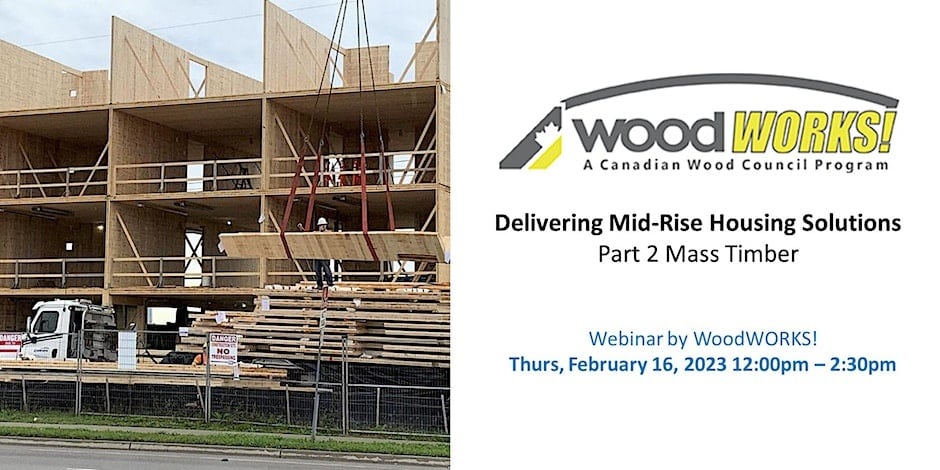
Course Overview WoodWorks Ontario proudly presents Delivering Mid-Rise Housing Solutions Part 2: Mass Timber. YWKW is a supportive housing project that obtained funding from the Federal Rapid Housing Initiative in Kitchener. This project optimized mass timber design that resulted in time and cost savings during construction. We will hear from the perspective of Element 5, Edge Architects, RDH and Melloul Blamey. They will discuss how important preconstruction planning is and getting all parties involved early. Each role will discuss their roles that lead to a quick and successful project. Learning Objectives Understand the application and benefits of prefabricated mass timber construction in mid-rise housing developments – speed up construction processes and address housing crises. Analyze the project management and logistical challenges involved in executing mid-rise housing projects with prefabricated materials. Evaluate the environmental impact and sustainability benefits of using mass timber in residential construction. Discuss the implications of using prefabricated mass timber on the regulatory and approval processes in construction projects. Course Video Speaker Bio Patrick Chouinard Founder and VP of Market Strategy & Corporate Communications Element5 Patrick Chouinard is the Founder and VP of Market Strategy & Corporate Communications at Element5, the newest and most technologically advanced CLT and glulam manufacturer in North America, and the only CLT producer in Ontario. Patrick’s specialty lies in his ability to orchestrate mass timber solutions together with a consortium of the industry’s best service providers with experience in mass timber. He is the driving force behind a rapidly growing company that not only manufactures mass timber components, but also provides a complete range of services to successfully execute timber construction projects on a large scale. Patrick believes mass timber is the essential building material of the 21st century and Element5 is proud to manufacture their products from sustainably managed local sources. Patrick is a passionate advocate for construction industry transformation and believes that prefabricated mass timber construction is the key to the significant gains in construction efficiency and building performance that we need to meet our significant housing and infrastructure needs in a sustainable way that contributes to a low carbon future. Matt Bolen, BAS, M.Arch, OAA, MRAIC, CPHD Founding Partner Edge Architects Matt Bolen is one of the founding partners of Edge Architects in Waterloo, Ontario. Edge’s portfolio encompasses a wide range of project types for a diverse client base. In addition to providing professional consulting services, the firm has been involved in several innovative research and development initiatives. Matt’s area of expertise is multi-residential building design with a specific focus on mid-rise (the missing middle) and attainable housing models. His professional interests include modular/ prefabrication, mass timber construction, and high-performance/ energy efficient design. In addition to being a Licenced Architect with the Ontario Association of Architects, Matt is a Certified Passive House Designer and has prior experience as both an energy auditor and small building contractor. Further to his role as a principal at Edge, Matt is a lecturer at the University of Waterloo School of Architecture for the graduate level Architectural Professional Practice course. Matt is himself a graduate of Waterloo Architecture where his master’s thesis was focused on urban revitalization of mid-sized cities using Kitchener-Waterloo as a case study city. Jeffrey B. Shantz Partner Melloul-Blamey Construction Inc. Jeff Shantz is a partner of the general contracting firm, Melloul-Blamey Construction based out of Waterloo, Ontario. The firm was founded in 1982 and is active in Public Bid, Design Build, Construction Management and Property Development. Jeff manages Project Development at the firm and oversees projects from concept to completion. He leads the feasibility process along with project cost, constructability and material selection for all major projects undertaken. Jeff started with the company in 1993 and quickly took charge of the Design Build operations and became a partner in 2001. He achieved CCA Gold Seal Certification in Project Management in 2006, past Chair of the Board at the Grand Valley Construction Association in Southern Ontario and past member of the General Contractor National Advisory Council at the CCA. In addition to his role at Melloul-Blamey Jeff also serves as Vice President at HIP Developments, a company created to utilize the expertise of the Construction Company and develop exciting multi-residential projects throughout southern Ontario. Utilizing the same skill set that resulted in many award winning projects at Melloul-Blamey, he has been able to guide new developments at HIP to the same high standards and project success. Jonathan Smegal Senior Project Manager RDH Building Science Inc. Jonathan Smegal is Based in Waterloo, and is an important part of the Building Science Laboratories team. He regularly leads laboratory research, forensic analysis of building failures, hygrothermal modeling, and field monitoring of building enclosure performance. A trusted resource, Jonathan has managed more than a dozen full-scale field tests of wall and roof performance in various locations throughout North America. He has also been involved with numerous new construction site audits for residential and commercial construction, from the design phase through to the final walk-through. Jonathan enjoys the challenges of working on the design and investigations of buildings with unique interior conditions such as swimming pools, ice rinks, secure greenhouses, and music stores all over North America.
Aspen Art Museum: Creating an Innovative Wood Structure
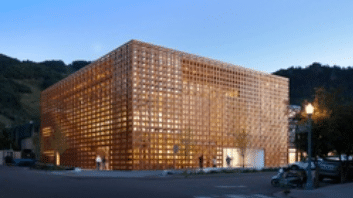
Course Overview The Aspen Art Museum, designed by architect Shigeru Ban, includes a long-span three-dimensional wood space-frame roof. Ban’s charge was to create a wood space frame with spans of more than 50 feet and cantilevers of 14 feet, in a structural depth of 3 feet. The space frame was to have two planes of intersecting diagonal webs of curved members that undulated up and down to touch the planes of the top and bottom chords with no visible connectors. This case study presentation will describe the design and construction of the wood structure, including paths explored but not chosen for the final design. Learning Objectives Articulate the particular demands associated with creating a 3-dimensional space frame entirely in wood. Recognize the advantages and disadvantages of several wood connection strategies in space-frame structures. Be aware of manufacturing capabilities and limitations that influenced the design of the Aspen Art Museum roof structure. Understand the importance of early engagement of manufacturing and engineering partners in the design process for innovative wood structures. Course Video Speaker Bio Gregory R. Kingsley, PhD, PE President and CEO KL&A Inc. Gregory is the president and CEO of KL&A Inc., Structural Engineers and Builders in Golden, Colorado, a firm of 65 that includes structural engineers, steel detailers, and construction managers. He enjoys working with design architects on innovative structures, especially wood and steel.