

#b99949

août 6, 2026
Few countries are shaped so profoundly by geography and distance as Canada, a nation that stretches across landscapes so expansive and varied that connection has always been as important as settlement. Canadian communities, industries, and economies depend on the infrastructure that enables people, goods, and ideas to move between them. Railways, roads, ports, airports, and transit systems have enabled us to turn that vast geography into opportunity. Forests are an enduring part of that story, supplying the materials that have helped build both our communities and the infrastructure which connects them, while continuing to move through those same networks today. The projects featured in this issue reflect that spirit of connection in different ways. While some are explicitly transportation infrastructure, others demonstrate how transportation quietly supports modern construction by enabling prefabricated materials and building systems to reach communities where local construction capacity may be limited. Together, they illustrate how wood contributes to the infrastructure, industries, and building systems that connect us across distances both large and small. In a country as vast and sparsely populated as Canada, connection is not something to take for granted. It must be built, maintained, and renewed over time as our nation grows and evolves. The projects in this issue remind us that wood is part of the story of how we connect with one another, with our communities, and with the journeys and destinations that shape our lives.
Premium
Gratuit
Cours
Revue
Publication
#000000
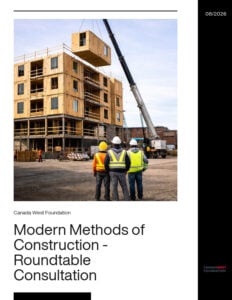
4 août 2026
La pénurie de logements au Canada et les défis auxquels est confronté son secteur des produits forestiers sont souvent considérés comme des problèmes distincts, mais ils pourraient receler une opportunité commune. Rédigé par la Canada West Foundation en collaboration avec le Conseil canadien du bois (CWC) et l’Association des produits forestiers du Canada (FPAC), ce rapport examine comment les méthodes modernes de construction (MMC), notamment la préfabrication, la construction par panneaux et la construction modulaire, peuvent créer une nouvelle demande intérieure pour le bois canadien tout en favorisant des approches plus efficaces, plus productives et plus évolutives en matière de logement. S'appuyant sur une consultation sectorielle organisée en décembre 2025, le rapport rassemble les points de vue de l'ensemble de la chaîne de valeur de la construction et des produits forestiers afin d'identifier des solutions concrètes pour développer l'utilisation des MMC à base de bois au Canada. La table ronde a réuni des représentants du secteur des produits forestiers, des fabricants hors site, des promoteurs immobiliers, des ingénieurs, des pouvoirs publics et d'autres acteurs du secteur. Les discussions ont porté sur les obstacles empêchant une adoption plus large des MMC à base de bois, notamment l’incohérence des réglementations, la communication limitée au sein de la chaîne d’approvisionnement, les lacunes en matière de main-d’œuvre et de formation, les difficultés d’accès au capital et l’absence de demande prévisible. Une conclusion majeure est ressortie des discussions : la principale contrainte n’est pas nécessairement un manque de capacité de production, mais un manque de demande soutenue. Les installations de fabrication existantes et les fournisseurs en amont disposent de capacités qui pourraient être mieux exploitées si un flux fiable de projets de logements pouvait être mis en place. Ce rapport présente les principales conclusions de la consultation et identifie les mesures susceptibles de contribuer à libérer le potentiel de la construction modulaire en bois (MMC) au Canada. Il s’agit notamment d’initiatives menées par l’industrie visant à améliorer la coordination de la chaîne d’approvisionnement, la normalisation, l’automatisation, la formation et le développement de produits, parallèlement à des mesures gouvernementales destinées à lever les obstacles réglementaires, à améliorer l’accès au financement, à soutenir la formation et à encourager l’utilisation des MMC et du bois dans les marchés publics de logements. Bien qu’il n’existe pas de solution unique aux défis auxquels sont confrontés les secteurs canadiens du logement et de la sylviculture, la consultation suggère qu’une collaboration renforcée entre l’industrie et tous les niveaux de gouvernement pourrait contribuer à mettre en adéquation les capacités existantes avec la demande de logements et à créer un marché intérieur plus résilient pour le bois canadien.
Premium
Gratuit
Cours
Guides et ressources de conception
CWC, FPAC, mmoc, méthodes modernes de construction
Publication
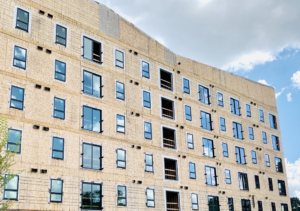
16 juillet 2026
Premium
Gratuit
Cours
Événements
Événement
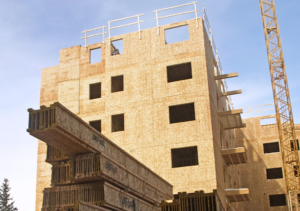
16 juillet 2026
Premium
Gratuit
Cours
Événements
Événement

13 juillet 2026
Présentation du cours : Découvrez comment les principales villes de la Colombie-Britannique encouragent l'adoption de méthodes de construction modernes. Cette session examinera les politiques et les mesures incitatives adoptées par les villes pour favoriser l’utilisation du bois massif dans le cadre des processus d’urbanisme et d’octroi de permis de construire, la manière dont les services d’urbanisme révisent leurs procédures d’octroi de permis pour soutenir la construction hors site et préfabriquée, ainsi que la façon dont les récentes modifications apportées aux plans communautaires officiels (OCP) ont élargi les catégories d’affectation des sols afin de favoriser l’utilisation du bois massif dans les projets de bâtiments de moyenne et grande hauteur. Elle examinera également comment le bois massif contribue à la réalisation d’autres objectifs municipaux, qu’il s’agisse des objectifs de réduction des émissions de carbone pour les nouvelles constructions ou des objectifs de construction rapide de logements, et mettra en avant des projets nouveaux et passionnants dans chacune de ces villes, qu’ils soient en cours de planification, de construction ou récemment achevés, et qui utilisent le bois massif. Objectifs d’apprentissage Identifier les politiques municipales, les mesures incitatives et les outils d’urbanisme qui favorisent l’adoption de la construction en bois massif. Comprendre comment les processus d’octroi de permis et d’approbation des projets évoluent pour s’adapter aux méthodes de construction hors site, préfabriquées et en bois massif. Découvrir comment les Plans officiels de communauté et les politiques d’aménagement du territoire peuvent créer des opportunités pour le bois massif dans les projets de bâtiments de moyenne et grande hauteur. Évaluer comment la construction en bois massif peut aider les municipalités à atteindre des objectifs plus larges liés à la construction de logements, à la durabilité et à la réduction des émissions. Vidéo du cours Biographie des intervenants Annabelle Hamilton Directrice générale de WoodWorks BC | Conseil canadien du bois Annabelle supervise WoodWorks BC, le programme de développement du marché du Conseil canadien du bois. Après avoir obtenu son diplôme de troisième cycle en Irlande du Nord, elle a travaillé pour plusieurs promoteurs immobiliers spécialisés dans les immeubles collectifs, gérant des projets de plusieurs millions de dollars tout au long de leur cycle de vie – depuis les acquisitions et les autorisations municipales jusqu’à l’achèvement des travaux. Elle dirige aujourd’hui l’équipe de WoodWorks BC afin de promouvoir des solutions innovantes favorisant l’adoption des produits du bois dans les projets d’habitation collective et non résidentiels à travers la Colombie-Britannique. Scott Groves Directeur des projets municipaux de la commune de Langley Scott Groves est directeur des projets municipaux de la commune de Langley, où il supervise la planification, la conception et la réalisation de grands projets de bâtiments communautaires et de parcs. Ingénieur civil expérimenté, il a consacré sa carrière au sein des collectivités locales à la mise en œuvre d’initiatives d’investissement complexes, notamment des arènes, des centres communautaires, des casernes de pompiers, des équipements municipaux, ainsi que de vastes infrastructures de parcs et de sports au service des habitants de toute la région. Avant de rejoindre la municipalité de Langley, Scott a occupé des postes à responsabilité au sein de plusieurs municipalités de la région métropolitaine de Vancouver, où il a dirigé des projets d’investissement, la gestion des équipements et des initiatives stratégiques relatives aux terrains municipaux, et a contribué à la mise en place d’infrastructures liées aux Jeux olympiques ainsi qu’à d’importants projets de transport. Il est titulaire d’une licence en sciences appliquées, option génie civil, de l’Université de Colombie-Britannique et est reconnu pour son approche collaborative en matière de développement communautaire ainsi que pour son engagement à créer des espaces publics de grande qualité. Stacy McGhee Responsable de la planification stratégique des équipements, District de Saanich Stacy McGhee est architecte agréé dans la province de Colombie-Britannique. Son expérience professionnelle couvre un large éventail de types de bâtiments, d’envergures de projets et de procédures d’appel d’offres. Le travail de Stacy, tant dans le secteur public que privé, lui a conféré une perspective unique sur les points de vue des consultants et des maîtres d’ouvrage, ce qui lui permet de gérer des projets avec un mandat plus clair et une solide compréhension des aspects contractuels. Son expérience dans le secteur privé inclut des hôtels de luxe, des bureaux commerciaux, la rénovation de bâtiments historiques et le secteur de la santé. Depuis 2009, son parcours dans le secteur public comprend six années passées au service de la province de Colombie-Britannique, où il a collaboré avec le service pénitentiaire de la province (BC Corrections) pour moderniser les établissements et mener à bien de grands projets de partenariat public-privé (PPP) s'étalant sur plusieurs années, avec la construction d'installations d'une valeur de plus de 200 millions de dollars à Surrey et dans la région de l'Okanagan, près d'Oliver. Depuis qu’il a rejoint le district de Saanich en 2015, Stacy a dirigé le programme de planification stratégique des installations du district, qui a d’abord abouti à l’élaboration du premier plan directeur stratégique des installations du district, puis à la mise en œuvre, après recommandation et hiérarchisation des priorités, du remplacement de la caserne de pompiers #2 et du réaménagement du centre opérationnel de Saanich. Stacy est membre de l’Institut royal d’architecture du Canada et professionnelle certifiée LEED.
Premium
Gratuit
Cours
Cours

Cornerstone Timberframes et BuildingIN : Innovation en construction bois et aménagement de logements
25 juin 2026
Présentation du cours : Cette session explore deux perspectives distinctes mais complémentaires sur le développement de l’environnement bâti au Canada. Tanya Bachmeier, PDG de Cornerstone Timberframes, revient sur l’évolution de son entreprise, qui est passée d’une activité traditionnelle de charpenterie résidentielle à celle d’un fabricant aux multiples facettes, proposant à la fois des structures à ossature bois sur mesure et des projets commerciaux en bois massif. S'appuyant sur plusieurs décennies d'expérience dans le secteur, elle aborde les défis, les opportunités et les enseignements tirés de l'adaptation à l'évolution des marchés et aux nouvelles technologies de construction en bois. La session accueille également Rosaline Hill, architecte principale et urbaniste senior chez RHJ Architecture + Planning, qui présente BuildingIN, une initiative mise en place pour relever les défis liés à l'offre de logements au Canada. S'appuyant sur sa vaste expérience en conception et en aménagement de logements en remplissage, Rosaline examine les obstacles qui limitent le développement immobilier dans les communautés existantes et présente des stratégies visant à favoriser une croissance durable et soutenue par la communauté. Ensemble, ces présentations soulignent l’importance de l’innovation, de la collaboration et des solutions concrètes pour façonner l’avenir de la construction en bois et du développement immobilier à travers le Canada. Objectifs d’apprentissage Identifier les principaux facteurs liés aux entreprises, à la main-d’œuvre et à l’industrie qui favorisent la croissance et l’innovation dans le secteur de la construction en bois. Expliquer les avantages de la construction en bois massif et en bois de grande masse, ainsi que l’importance de la collaboration au sein de l’industrie et du partage des connaissances. Reconnaître les obstacles courants à l’offre de logements dans les collectivités canadiennes et le rôle du développement intercalaire pour répondre aux besoins en matière de logement. Évaluer comment les outils de planification, de conception et de politique du logement peuvent favoriser une croissance urbaine durable et soutenue par la communauté. Vidéo du cours Biographie des intervenants Tanya Bachmeier, PDG de Cornerstone Timberframes Tanya Bachmeier, PDG de Cornerstone Timberframes, partagera son point de vue sur l’évolution de l’industrie du bois, en s’appuyant sur plus de trois décennies d’expérience au sein de l’un des principaux fabricants canadiens de structures en bois massif. Ayant grandi au sein d’une famille profondément ancrée dans le secteur de la construction, Tanya a baigné dans ce métier dès son plus jeune âge. Son parcours, qui l’a menée de la collaboration avec son père et son oncle au sein de l’entreprise à la direction de Cornerstone Timberframes en tant que PDG, témoigne de son dévouement, de sa vision et de sa passion pour ce secteur. Dans son intervention, Tanya expliquera comment elle et son associé ont transformé Cornerstone en un fabricant aux multiples facettes, axé à la fois sur les charpentes résidentielles traditionnelles en bois et sur des projets commerciaux de pointe en bois massif. Elle abordera les défis et les opportunités liés au fait d’être une femme dans un secteur dominé par les hommes, à la recherche d’une place dans le monde émergent du bois massif, tout en soulignant l’importance de l’innovation tout en restant fidèle aux racines de ce métier. Grâce à son point de vue unique, Tanya partagera de précieux enseignements sur le leadership, la capacité d’adaptation et l’avenir de la construction en bois au Canada et au-delà. Rosaline Hill, architecte principale, urbaniste senior, consultante en développement chez RJH Architecture & BuildingIN. La plupart des gens préfèrent vivre dans des quartiers de faible hauteur, dans des rues bordées d’arbres, à proximité des transports en commun, au sein de communautés bien desservies et accessibles à pied. Peu de stratégies municipales en matière de logement visent cette vision ou se concentrent sur les quartiers de faible hauteur existants. Or, ce créneau immobilier recèle le potentiel de transformer nos villes et de nous sortir de la crise du logement. Les logements collectifs de faible hauteur, reproductibles et destinés à combler les espaces vides dans les quartiers urbains existants, constituent la clé de l’offre de logements et de la viabilité financière des municipalités. Parallèlement, c’est le moyen le plus abordable de réduire considérablement les émissions des ménages. Durabilité en matière de logement, de finances et d’environnement, avec de nouveaux logements dans le type de quartiers que les gens apprécient : tout le monde y gagne. Alors pourquoi les promoteurs immobiliers ne construisent-ils pas ce type de logements ? Soit ils n’y sont pas autorisés, soit ils ne peuvent pas en tirer de bénéfices. Mais les municipalités peuvent changer cela ! L’équipe de BuildingIN s’est appuyée sur sa connaissance du secteur du logement pour cerner les obstacles financiers et réglementaires à cette solution de logement. À l’aide d’un SIG, nous cartographions nos prévisions avancées concernant la réaction du marché du logement afin de montrer les résultats cumulés en matière de logement, de finances et de réduction des émissions dans les zones urbaines à faible densité. Grâce à ce puissant outil de simulation, nous avons mis au point une solution sur mesure pour les municipalités. En tant que lauréat du Défi de l’offre de logements de la SCHL, BuildingIN est en mesure de fournir aux municipalités une gamme complète de services ; pour mettre rapidement en œuvre les changements réglementaires et établir les stratégies d’investissement nécessaires, afin que les promoteurs construisent les logements dont nous avons besoin et que nous souhaitons, encore et encore. Nous permettons aux municipalités de planifier en toute certitude et de prendre des décisions fondées sur des données concrètes, au lieu de l’approche traditionnelle consistant à ‘ apporter quelques ajustements ’, puis à ‘ attendre de voir ’. Depuis six ans, notre équipe mène des recherches, teste et simule des solutions pour les quartiers. Cela nous a conduits à la création de BuildingIN, une solution transformatrice pour relever le défi de l’offre de logements dans notre pays.
Premium
Gratuit
Cours
Cours

23 juin 2026
WoodWorks revient à The Buildings Show en 2026, apportant son expertise technique et ses connaissances de l'industrie grâce à un nouveau partenariat avec CWC.
Premium
Gratuit
Cours
Événements
Événement

19 juin 2026
Présentation du cours Les effets positifs de l’innovation en matière de conception, des matériaux de pointe, des nouvelles réglementations en matière de construction et de l’évolution des priorités de la société sont à l’origine d’une transformation du secteur de la construction qui favorise le recours croissant à la construction en bois de grande envergure. Cependant, le changement s’accompagne souvent de nouveaux défis, et l’adoption à plus grande échelle des nouvelles technologies peut être freinée par des lacunes dans les connaissances et par les forces du marché. Ce panel d’experts examinera plusieurs facteurs importants susceptibles d’influencer la décision de construire en bois, notamment les questions d’assurance, de financement et de chaîne d’approvisionnement, et identifiera à la fois les défis et les opportunités qu’ils présentent. Objectifs pédagogiques Identifier les principaux obstacles du marché à l’adoption de la construction en bois massif, notamment l’assurance, le financement, les contraintes de la chaîne d’approvisionnement et les lacunes en matière de connaissances. Comprendre comment la faisabilité des projets en bois massif est influencée par l’incertitude des revenus, les surcoûts et la tolérance au risque dans les décisions de développement. Découvrir des stratégies visant à réduire les risques liés aux projets en bois massif grâce à une collaboration précoce, un meilleur partage des données, une planification de la chaîne d’approvisionnement et des mesures incitatives. Vidéo du cours Biographie des intervenants David Messer Directeur de la Climate Smart Buildings Alliance (EllisDon) David Messer est directeur de la Climate Smart Buildings Alliance, une initiative conjointe d’EllisDon, de RBC, de Mattamy Homes et d’Atkins Réalis visant à mener et à accélérer la transition vers un secteur du bâtiment à zéro émission nette. Au sein de la CSBA, David dirige des projets visant à renforcer l’utilisation des matériaux de construction à faible empreinte carbone et à lever les obstacles à celle-ci, ainsi que des projets destinés à renforcer les normes de construction et à accélérer le rythme des rénovations de bâtiments. Auparavant, David était directeur exécutif du Guelph-Wellington Smart Cities Office, où il a dirigé deux initiatives visant à accélérer l’économie circulaire : « Our Food Future », un projet de ville intelligente financé par Infrastructure Canada, et COIL (Circular Opportunity Innovation Launchpad), un accélérateur d’entreprises circulaires qui a collaboré avec plus de 160 organisations pour déployer à grande échelle des solutions circulaires dans les secteurs de l’alimentation, de l’environnement et de la construction/démolition. David possède une longue expérience dans les domaines de la technologie, des politiques et de la transformation des systèmes, acquise au sein des gouvernements de l’Ontario et de l’Alberta, au sein d’associations professionnelles et en tant que consultant dans le secteur privé. Scott Cameron, président de Skov Mass Timber, possède plus de 30 ans d’expérience dans le secteur de la construction. Il a débuté comme ouvrier avant de gravir les échelons pour devenir chef de chantier, directeur de projet, puis consultant indépendant spécialisé dans la construction en bois massif. Conférencier accompli, leader et mentor, il a dirigé de nombreuses équipes hautement performantes et se targue d’être un spécialiste de la résolution collaborative des problèmes. Fort de plusieurs décennies d’expérience dans la construction commerciale, industrielle et résidentielle, Scott s’est réorienté vers la construction en bois massif pour les immeubles collectifs afin de faire face à la crise du logement. Ayant participé à de nombreux projets institutionnels et commerciaux en bois massif, à plusieurs projets d’immeubles collectifs de 6 étages, ainsi qu’aux deux seuls bâtiments en bois massif encapsulés achevés au Canada après les modifications du code de 2018, Scott est l’un des principaux experts nord-américains en matière de bois massif. Fervent défenseur du bois massif, Scott encourage la formation et le partage d’informations au sein de la communauté spécialisée dans ce domaine. Fort de son expérience en Colombie-Britannique et en Ontario, il propose des présentations interactives sur la construction en bois massif aux promoteurs et aux maîtres d’œuvre dès le lancement des projets. L’objectif n’est pas seulement d’aider à surmonter les incertitudes lors du choix entre la construction en bois massif et la construction conventionnelle, mais aussi d’accompagner le processus de construction afin de gagner du temps et de réduire les coûts. C’est ainsi qu’est née SKOV Mass Timber Ltd, un cabinet de conseil spécialisé dans le bois massif qui accompagne les promoteurs et les maîtres d’œuvre tout au long du processus, de la phase de pré-construction jusqu’à l’achèvement du projet. Fort de son expérience, il vise à combler les lacunes en matière de compétences grâce à la formation, à l’information et à l’accompagnement dans les études de constructibilité, l’élaboration des calendriers, l’enchaînement des corps de métier et le suivi tout au long du processus de construction. Il collabore actuellement avec un cabinet de gestion de chantier en Colombie-Britannique sur un portefeuille de projets en bois massif et accompagne d’autres promoteurs et entrepreneurs généraux à l’échelle nationale tout au long de la phase de préconstruction. Kevin Grosskopf, professeur à l’Université du Nebraska–Lincoln, École Charles W. Durham d’architecture, d’ingénierie et de construction de l’Université du Nebraska. Le Dr Kevin R. Grosskopf est professeur à l’École Charles W. Durham d’ingénierie architecturale et de construction de l’Université du Nebraska. Le Dr Grosskopf a obtenu son doctorat à la M.E. Rinker, Sr. School of Building Construction de l’Université de Floride en 1998. Il a occupé diverses fonctions dans les secteurs du bâtiment commercial et des services publics et est entrepreneur en bâtiment agréé dans l’État de Floride. Le Dr Grosskopf a développé une expertise en recherche dans les domaines de la sécurité et de la durabilité des bâtiments, notamment la qualité de l’air intérieur (QAI), l’efficacité énergétique, ainsi que les interventions et la reconstruction après une catastrophe. Plus récemment, le Dr Grosskopf s’est orienté vers des domaines connexes, notamment la préfabrication de bâtiments et le développement des compétences de la main-d’œuvre dans le secteur de la construction. Le Dr Grosskopf a obtenu $8.1M de subventions et de dotations, y compris des contrats très convoités attribués par le ministère de l’Énergie (DOE), du ministère de la Défense (DoD), de l’Agence de protection de l’environnement (EPA), de l’Administration de la sécurité et de la santé au travail (OSHA) et du ministère du Travail (DOL). En outre, le Dr Grosskopf a rédigé (ou contribué à la rédaction de) 4 ouvrages, 35 rapports de recherche et plus de 100 articles publiés dans des revues à comité de lecture et communications de congrès, notamment dans des revues de premier plan de l’ASCE, de l’ASTM et de l’ASHRAE. Le Dr Grosskopf a également donné plus de 100 présentations sur invitation, notamment des conférences et des exposés dans plus de 20 pays. Le Dr Grosskopf a précédemment occupé le poste de directeur adjoint de l’école pour les programmes de gestion de la construction accrédités par l’ACCE et les programmes d’ingénierie de la construction accrédités par l’ABET, sur les campus de Lincoln et d’Omaha. Le Dr Grosskopf a également occupé le poste de président du comité P&T pour les programmes de construction. Il a siégé au conseil d’administration national de l’ASC et a coordonné deux conférences internationales annuelles de l’ASC (2009 et 2011). Annabelle Hamilton, directrice générale de WoodWorks BC. Annabelle est directrice générale de l’équipe WoodWorks BC ; elle supervise l’engagement actif, le soutien technique et le développement stratégique d’initiatives visant à favoriser la croissance et la notoriété du bois massif sur le marché de la Colombie-Britannique. Avant de rejoindre WoodWorks, Annabelle a mené sa carrière dans le secteur privé, travaillant pour plusieurs promoteurs immobiliers spécialisés dans les immeubles collectifs basés à Vancouver, où elle a mené à bien des projets de la conception à la réalisation.
Premium
Gratuit
Cours
Cours

19 juin 2026
Présentation du cours : Le développement de la construction en bois massif est essentiel à la réalisation des objectifs du Canada en matière de climat, de logement et d’économie. Ce cours explore la manière dont les systèmes de construction innovants à base de bois – soutenus par des programmes tels que « Construction through Wood » (GCWood) – transforment le secteur de la construction en permettant la réalisation de bâtiments à faibles émissions de carbone et à haute performance. S'appuyant sur les enseignements tirés d'initiatives fédérales, des leaders du secteur et d'experts régionaux de tout le Canada, cette session examine les obstacles techniques, réglementaires et commerciaux à l'adoption de ces technologies, notamment la résistance au feu, la conception parasismique, la capacité de la chaîne d'approvisionnement et la préparation de la main-d'œuvre. Elle met également en avant les opportunités émergentes dans les domaines de la préfabrication, de la construction modulaire et des systèmes hybrides, tout en présentant les outils politiques, les projets de démonstration et la feuille de route nationale sur le bois massif qui accélèrent cette adoption. Conçu pour les architectes, les ingénieurs, les entrepreneurs et les responsables politiques, ce cours offre un aperçu complet des stratégies et des efforts collaboratifs nécessaires pour développer la construction en bois massif sur divers marchés canadiens. Objectifs d’apprentissage Comprendre le rôle du bois massif dans l’atteinte de la neutralité carbone, la réponse à la demande de logements et le soutien à l’économie forestière. Identifier les principaux obstacles à l’adoption du bois massif, notamment les performances techniques, les défis réglementaires, les limites de la chaîne d’approvisionnement et la sensibilisation du marché. Évaluer comment des programmes tels que GCWood et les projets de démonstration soutiennent l’innovation, réduisent les risques liés aux technologies et font évoluer les codes du bâtiment. Vidéo du cours Biographie des intervenants Jean-François Levasseur Directeur, Relations avec l’industrie et programmes d’innovation / Directeur, Relations avec l’industrie et programmes d’innovation Ressources naturelles Canada Diplômé du programme de génie chimique de l’Université d’Ottawa, Jean-François a débuté sa carrière en occupant divers postes à responsabilités croissantes dans des usines de pâte kraft, notamment en tant qu’ingénieur des procédés et ingénieur environnemental. Il a ensuite rejoint Environnement et Changement climatique Canada, où il a dirigé de nombreux aspects des régimes réglementaires environnementaux applicables au secteur forestier canadien. Au sein de Ressources naturelles Canada depuis 2009, il a dirigé la conception et la mise en œuvre de divers programmes de financement soutenant la R&D stratégique, l’innovation et les investissements en capital qui accélèrent la transformation du secteur forestier canadien vers la bioéconomie : la Transformation verte de l’industrie des pâtes et papiers (PPGTP) ; le Programme d’innovation forestière (FIP) ; le programme « Investissements dans la transformation de l’industrie forestière » (IFIT) ; et le programme « Construction verte grâce au bois » (GCWood). Ensemble, ces programmes ont débloqué plus de $1B pour soutenir les améliorations en matière d’efficacité énergétique, la production d’énergie verte et la commercialisation de produits innovants, de technologies transformatrices ainsi que de nouvelles démonstrations de construction verte à base de bois et de bois massif. Scott Jackson, directeur de la biologie de la conservation, Association des produits forestiers du Canada. En tant que directeur de la biologie de la conservation, Scott travaille avec les entreprises membres, les gouvernements et les partenaires pour élaborer et communiquer des positions stratégiques sur divers dossiers liés à la gestion forestière, à la conservation de la biodiversité – notamment les poissons, la faune et les espèces menacées – ainsi qu’à l’atténuation et à l’adaptation au changement climatique. Il soutient également les efforts de l’APPC visant à promouvoir l’engagement du secteur forestier en faveur d’une gestion durable des forêts fondée sur la science, ainsi que ses contributions au rayonnement social et économique du Canada. Scott travaille depuis plus de 20 ans dans le domaine de la gestion forestière et des politiques relatives aux ressources naturelles. Plus récemment, il a exercé en tant que consultant indépendant et occupé le poste de directeur des relations avec les populations autochtones et les parties prenantes au sein de Forests Ontario, une organisation à but non lucratif engagée dans la restauration forestière, la gestion responsable des forêts, l’éducation et la sensibilisation. Scott est titulaire d’une licence en sciences de l’environnement (biologie) de l’université Queen’s et d’un master en conservation forestière de l’université de Toronto. Steven Street, directeur exécutif de WoodWorks Ontario. Dans son rôle actuel de directeur exécutif de WoodWorks Ontario, Steven dirige une équipe dynamique, apportant de la valeur ajoutée et de nouvelles opportunités aux partenaires du programme issus de l’industrie du bois. Avec de nombreux projets de grande envergure qui contribuent à démocratiser la construction en bois, le transfert de connaissances et l’acceptation par le marché n’ont jamais été aussi importants pour l’industrie du bois. Le secteur de la construction est entré dans une nouvelle ère d’industrialisation rapide, passant des méthodes de construction sur chantier à celles de fabrication en usine. Les avancées en matière de code de la construction ces dernières années stimulent le développement de nouveaux types de matériaux, d’approches et de bâtiments. En cette période de profonds changements, nous pouvons influencer nos méthodes de construction, avec de nouveaux objectifs de développement durable et l’obligation de réduire l’empreinte carbone de l’environnement bâti. Shawn Keyes Directeur exécutif de WoodWorks BC Shawn est un ingénieur en structure chevronné et le directeur exécutif de WoodWorks BC. Fort d’une solide expérience en ingénierie, en gestion de projet et en administration des affaires, Shawn fait preuve d’un leadership dynamique en dirigeant une équipe pluridisciplinaire d’experts qui font progresser la construction en bois dans toute la province. Il a rejoint WoodWorks en 2022 après une brillante carrière de dix ans dans le conseil, au cours de laquelle il a travaillé sur des projets pionniers en bois à travers le Canada au sein d’un cabinet de conception de premier plan. Shawn est ingénieur professionnel agréé en Colombie-Britannique et en Ontario. Il est titulaire de deux masters, l’un en ingénierie et l’autre en gestion d’entreprise : un M.Eng. de l’université Carleton et un MBA de la Sauder School of Business de l’UBC. Rory Koska, directeur exécutif de WoodWorks Alberta. Rory Koska possède plus de 30 ans d’expérience dans le secteur de la conception et de la construction en Alberta. Il est diplômé du programme de technologies architecturales du NAIT. Rory a travaillé chez Igloo Building Supplies Group Ltd en tant que concepteur senior de charpentes pour des bâtiments résidentiels et commerciaux, puis a dirigé son propre cabinet de conseil. Rory dirige le programme WoodWorks Alberta depuis plus de 15 ans et a permis à celui-ci de franchir de nombreuses étapes décisives. Le programme régional de l’Alberta est devenu un relais entre l’innovation industrielle et la communauté des concepteurs. Sous la direction de Rory, le programme WoodWorks Alberta s’est imposé comme une ressource inestimable pour les collectivités et le secteur de la construction intéressés par la construction en bois. David Porter Coordinateur du programme WoodWorks Atlantic En 2019, David a rejoint le Maritime Lumber Bureau en tant que coordinateur du programme WoodWorks Atlantic. Il collabore avec des architectes, des ingénieurs, des promoteurs immobiliers, des responsables du bâtiment et de la sécurité incendie, ainsi qu’avec les pouvoirs publics, afin d’accroître l’utilisation du bois dans les projets non résidentiels. Il a participé à la conception et à la construction de nombreux projets en bois réalisés dans les provinces de l’Atlantique, apportant un soutien technique tant pour les ossatures légères en bois que pour le bois massif. Simon Bellavance, conseiller technique chez Cecobois. Simon T. Bellavance est titulaire d’une licence en génie du bois de l’Université Laval, avec une spécialisation en structures en bois. Avant de devenir conseiller technique chez Cecobois, il a occupé le poste de responsable technique des produits du bois à valeur ajoutée chez Chantiers Chibougamau. Outre ses responsabilités en matière de contrôle qualité et d’amélioration continue, il a participé à plusieurs projets de recherche et développement pour le
Premium
Gratuit
Cours
Cours

9 juin 2026
WoodWorks s'associe une fois de plus à BUILDEX Vancouver en 2027 pour présenter WoodWorks at BUILDEX — un programme dédié qui réunit l'innovation en matière de conception du bois, l'expertise technique et les perspectives de l'industrie de l'ensemble de l'Ouest canadien. Cette collaboration de deux jours au sein de BUILDEX est conçue pour doter les architectes, les ingénieurs, les promoteurs et les constructeurs des dernières stratégies, technologies et leçons apprises sur le terrain.
Premium
Gratuit
Cours
Événements
Événement

5 juin 2026
Présentation du cours À la fin de l'année 2014, après des années de recherche et de développement dans le domaine des produits et systèmes en bois de pointe, des modifications apportées à l'édition 2012 du Code du bâtiment de l'Ontario (OBC) sont entrées en vigueur, autorisant la construction en bois de bâtiments de moyenne hauteur, tant résidentiels que de bureaux, pouvant atteindre six étages. Cela a marqué un tournant important, élargissant l'utilisation de la construction à ossature de bois léger au-delà de la limite de hauteur précédente de 4 étages et ouvrant de nouvelles perspectives pour des solutions de construction rentables et polyvalentes. Afin d’améliorer l’accessibilité financière et d’harmoniser le code avec le Code national du bâtiment, l’OBC 2012 a fait l’objet de modifications supplémentaires à la mi-2023 pour autoriser l’utilisation de revêtements et de sorties partiellement combustibles dans les constructions en bois de moyenne hauteur. Ces modifications, accompagnées de quelques changements rédactionnels mineurs, ont également été reprises dans l’édition 2024 de l’OBC, entrée en vigueur le 1er janvier 2025. Cette présentation donnera un aperçu des changements techniques et réglementaires apportés au COB en ce qui concerne la conception et la construction de bâtiments en bois de moyenne hauteur et explorera le rôle de ce type de bâtiment dans la réalisation de nos objectifs en matière de logement grâce à une construction abordable, de haute qualité et durable. Objectifs d'apprentissage Comprendre l'intention, la portée et l'application des changements techniques et réglementaires ainsi que les principales dispositions de l'OBC 2024 relatives à la construction en bois de moyenne hauteur en Ontario. Explorer les avantages des bâtiments en bois de 5 et 6 étages pour les efforts de création de logements en Ontario à travers le potentiel du marché, les points forts des projets et le rôle des méthodes de construction modernes. Savoir comment accéder à des ressources gratuites en matière de conception et de bonnes pratiques pour la construction en bois de moyenne hauteur, et comment bénéficier du soutien gratuit de WoodWorks pour vos projets. Vidéo du cours Biographie des intervenants Hailey Quiquero Responsable principale, WoodWorks ON / Conseil canadien du bois Hailey Quiquero occupe actuellement le poste de responsable principale chez WoodWorks ON pour le Conseil canadien du bois. Avant d’occuper son poste actuel, Hailey a travaillé comme responsable des produits et de la conception et comme spécialiste en conception computationnelle chez R-Hauz, ainsi qu’à divers postes chez Entuitive et à l’Université Carleton. Hailey est titulaire d’une maîtrise en ingénierie structurelle et de la sécurité incendie et d’un baccalauréat en conservation architecturale et en ingénierie de la durabilité de l’Université Carleton. Tout au long de sa carrière, Hailey s’est impliquée dans la recherche, l’enseignement et la conception structurelle dans le domaine de l’ingénierie. Vusal Ibrahimli Spécialiste technique, codes et normes – Incendie Conseil canadien du bois Vusal Ibrahimli, M.A.Sc., E.I.T., est spécialiste technique, codes et normes – Incendie au Conseil canadien du bois. Il soutient les initiatives liées aux codes et aux normes en matière d'incendie et apporte son expertise technique dans le domaine de la construction en bois, notamment en contribuant à la programmation de formations et de conférences sur la résistance au feu et la conformité aux codes.
Premium
Gratuit
Cours
Cours
#b99949

1er juin 2026
Ce numéro de Wood Design & Building porte, à bien des égards, sur les relations. Les relations entre les matériaux et le lieu, entre l'éducation et la pratique, et entre la foresterie et l'environnement bâti. Et peut-être encore plus important, les relations qui se tissent entre les personnes, à chaque étape du parcours, de la forêt à la construction terminée, qui partagent leurs connaissances, leur expérience et leur passion pour les bâtiments en bois. Cet échange de connaissances renforce la confiance, les compétences et la collaboration au sein de la communauté de la conception et de la construction. Dans notre entretien avec le Dr Blériot Feujofack, directeur de l'éducation au Conseil canadien du bois, nous explorons comment les nouvelles opportunités d'apprentissage et les connaissances accessibles du secteur aident à préparer la prochaine génération de concepteurs et de constructeurs. Dans l'article de Lloyd Alter, "A Treehugger Goes Logging", on nous rappelle que construire avec du bois, c'est aussi comprendre d'où vient le matériau et apprécier la profondeur des connaissances nécessaires pour gérer les forêts de manière durable. En partageant les perspectives de la foresterie, de la fabrication et de la construction, l'article met en lumière les personnes et les pratiques qui façonnent le matériau bien avant qu'il n'atteigne l'environnement bâti. Cet esprit de collaboration et d'apprentissage partagé se reflète également dans nos projets phares. À Saskatoon, l'école misiwe-kisik | One Sky démontre comment l'engagement d'une équipe de projet à faire quelque chose de spécial pour la communauté a contribué à favoriser la collaboration et l'innovation nécessaires pour utiliser du bois lamellé-collé cloué centenaire, récupéré d'anciens silos à grains désaffectés. Le nom cri du projet, reflétant la connexion, l'appartenance et la relation entre les communautés, semble tout aussi pertinent pour un secteur de plus en plus façonné par la collaboration et l'ambition partagée. Ce qui rend ce moment remarquable, ce n'est pas seulement ce que nous construisons, mais la manière dont nous apprenons à le construire ensemble.
Premium
Gratuit
Cours
Revue
Publication

