...North American buildings built in the 1800s, wood construction has proven it can stand the test of time. Although wood building technology has been changing over time, wood’s natural durability...
...of Non-Combustibility in Building Materials.” For further information, refer to the following resources: Wood Design Manual, Canadian Wood Council National Building Code of Canada CAN/ULC-S114 Test for Determination of Non-Combustibility...
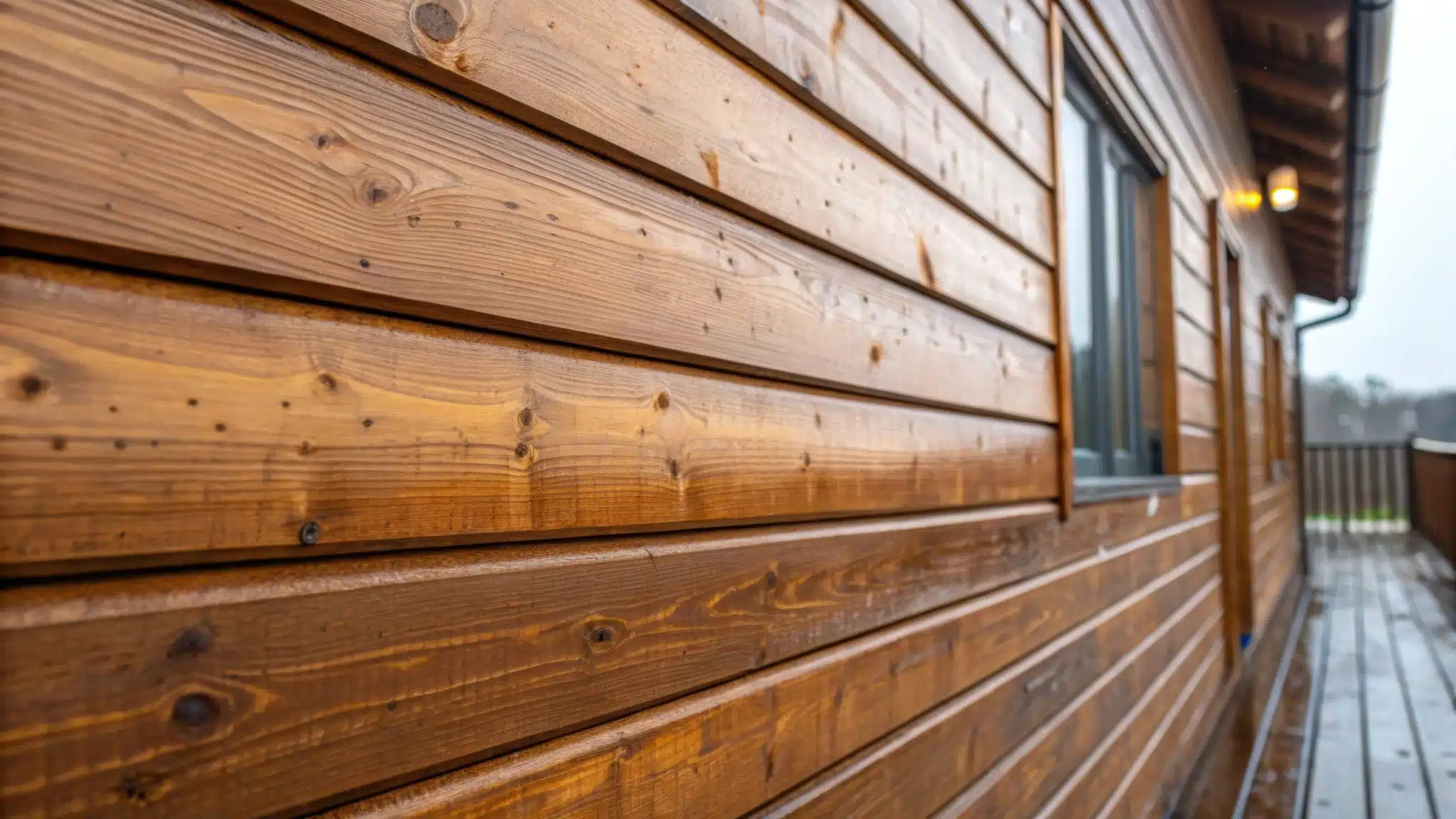
...and follow all manufacturer’s instructions. Surface Preparation for Aged Wood Wood coatings need a fresh surface or the coating simply won’t last. The longer wood has been allowed to weather, the poorer...
...use of treated wood apply when coating preservative-treated wood. Effect of bluestain Bluestain is caused by fungi, and bluestained wood is more permeable than unstained wood, therefore it may absorb...
...with decay (rot) caused by decay fungi, which can penetrate deeply into wood and significantly reduce wood strength in a relatively short period. In contrast, weathering of wood is caused...
...Adjustment Factors for Fire-Retardant-Treated Plywood Roof Sheathing National Building Code of Canada Example Specifications for Plywood Plywood Grades Plywood Handling and Storage Plywood Manufacture Plywood Sizes Quality Control of Plywood...
...this will be quite obvious. The wood will be soft and perhaps even be breakable by hand. Decayed wood breaks with a carrot-like snap versus the splintering of sound wood....
...environments. For borate-treated wood used inside buildings, the same connectors can be used as for untreated wood. Recommendations on Fasteners for Treated Wood Fasteners for use in treated wood that...
...very rapidly in wet wood. Copper moves more slowly because it reacts with the wood. For dryer wood, glycols can be added to borate formulations to improve penetration. Over-the-counter wood...
...end of wood members. When a wood member dries, moisture is lost very rapidly from the end of the member. At midlength, however, the wood is still at a higher...
The durability of wood is often a function of water, but that doesn’t mean wood can never get wet. Quite the contrary, wood and water usually live happily together. Wood...
Since remedial treatment is intended to solve a known insect or decay problem, the first thing to do is investigate the extent of the problem and, if necessary, provide...
Select heartwood where possible to minimize nutrient content of wood surfaces and prevent nutrients migrating through the coating to support fungal growth on the surface....
Acrylic A type of water-borne coating product containing acrylic polymers. Alkyd A type of polyester resin. Term often used to signify solvent-borne coatings, e.g., oil...
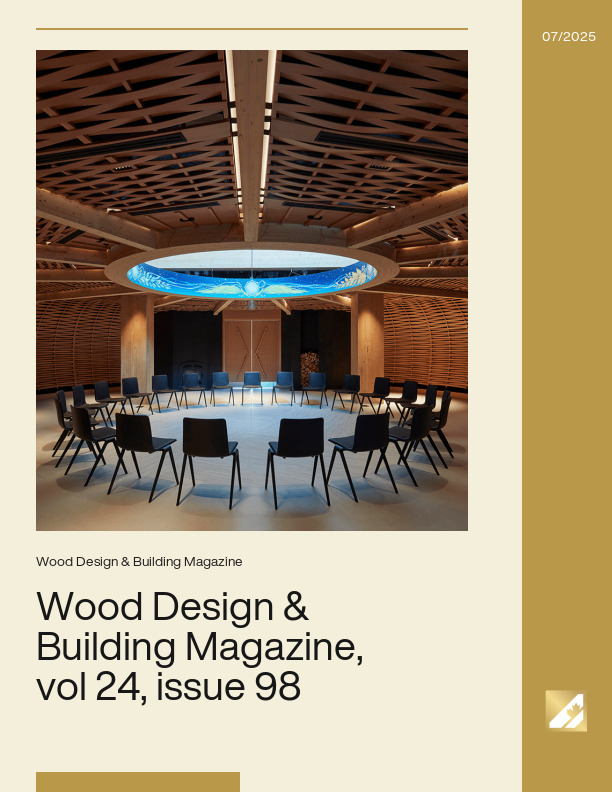
What does it take to deliver better buildings? In this issue, we explore that question from a couple of different angles—primarily through a look at standout wood projects...
Resource Description This comprehensive pedagogical resource presents two detailed mass timber projects, developed to support educators in teaching advanced wood construction...
Course Overview While many designers are familiar with engineered wood products such as I‐joists and structural composite lumber, it is important to understand the...
Individuals in the design and construction community are increasingly choosing materials, design techniques and construction procedures that improve a structure’s ability...
Course Overview In Canada, we are fortunate to have both structural engineers and architects who, because of the numerous benefits, would like to work with wood whenever they...
Since the 2009 change to the British Columbia Building Code (BCBC) that increased the permissible height for wood frame residential buildings from four storeys to six, more...
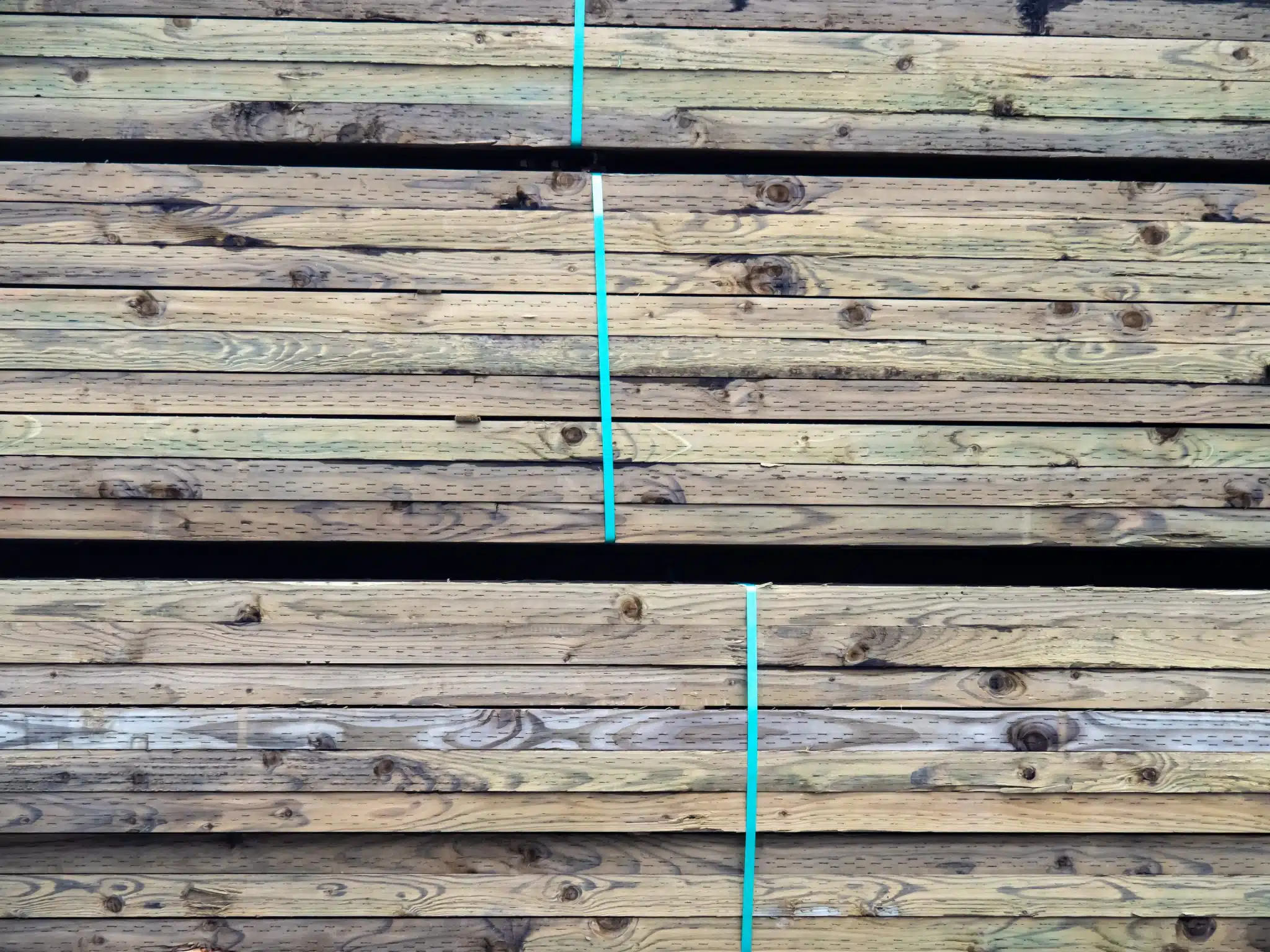
When you want to use wood that is not naturally decay resistant in a wet application (outdoors, for example) or where it may be at risk for insect attack, you need to specify...
Of all the energy used in North America, it is estimated that 30 to 40 percent is consumed by buildings. In Canada, the majority of operational energy in residential...
Nailing is the most basic and most commonly used means of attaching members in wood frame construction. Common nails and spiral nails are used extensively in all types of...








 Environment


