en-ca

Searching for: Wood

Searching results for “Wood”
408 results found...
Sort By Dropdown Icon

Vertical Additions: An innovative pathway to delivering more homes

Course Overview

Discover the innovative approach to housing supply undertaken by Pathway Non-Profit Community Developments Inc. of Peel. The Arbor Mill expansion sets a remarkable precedent for other non-profit affordable housing providers who want to build more housing and can do it by adding additional units on top of their existing buildings. Globally, it is estimated that approximately 20-25% of existing buildings can support a vertical addition in wood, which is a comparatively light weight building material. 

This novel approach removes the need to find new land to develop and has the added benefit of immediately integrating new residents into an existing supportive community. This project added 6 barrier-free, affordable apartments on top of a 35-year old, occupied residential building using prefabricated mass timber, delivering more affordable housing through the “gentle densification” of existing infrastructure. 

In this webinar, the project team will discuss the architectural, structural, and design challenges of the project, including blending prefabricated mass timber construction methods with an older structure built with conventional materials. Key sustainability and construction considerations will also be highlighted. Don’t miss this opportunity to gain valuable insights from one of the first project teams in North America to pursue this innovative approach to housing delivery. 

Learning Objectives

  1. Participants will learn how Pathway, a non-profit community developer in Peel Region, created a plan to expand its housing portfolio while addressing tenant needs and priorities.
  2. Participants will gain insights into the design and approval challenges of the project, including navigating site plan approvals, integrating mass timber, and meeting acoustic and fire safety requirements.
  3. Participants will understand the structural considerations for vertical expansions, which include performing load assessments and evaluating structural options.
  4. Participants will understand the mass timber fabricator’s process and the key considerations for successfully integrating prefabricated mass timber components into a project, including early involvement, securing production spots, and managing construction timelines.

Course Video

Speaker Bio

Roman Spektor
General Manager
Pathway Non-Profit Community Developments Inc. of Peel

Mechanical engineer by profession, Roman has been the General Manager of Pathway for over 25 years and has managed social housing projects for 35 years. Pathway Non-Profit Community Developments Inc. of Peel (Pathway) is an interfaith non-profit corporation that was incorporated in 1988. The Pathway organization is run by a volunteer board made up of members of the three founding congregations. Pathway owns and operates two apartment building in Mississauga constructed in the early 90s. Pathway’s two buildings, Forest Ridge and Arbour Mill, house 230 families and are funded by rental income and a government subsidy. 

Pathway has also created a separate management company and manages other non-profit housing communities. Roman has coordinated with the volunteer board on all aspects of management of the buildings including budgeting, capital work and project management. Through the creation of programs for the residents, Pathway has created inclusive communities where all residents feel welcome. 

Cathy Tafler, OAA
Partner
Tafler Rylett Architects 

Cathy has been a partner in the firm Tafler Rylett Architects since 1996 and is involved in all aspects of the firm’s work including client consultation, design, permit application, specifications and contract administration. Cathy is committed to producing thoughtful and environmentally responsible projects that are integrated with the surrounding landscape. The firm designs with a collaborative process, listening to their client’s requirements and budget and input from the surrounding community.

Cathy was chair of the OAA’s Committee on the Environment and is a member of the Toronto Alliance to End Homelessness (TAEH). The firm’s work includes supportive and affordable housing, offices, institutional and private residential projects. Major projects include supportive housing for Houselink Community Homes, offices for Doctors Without Borders, offices for the U of T Faculty Association, Tiny Treasure Montessori School and affordable housing for Pathway.

Craig Nicoletti, P.Eng.
Partner, Structural Engineer
Engineering Link Inc.

Craig is a Professional Engineer and Partner for the Structural Division at Engineering Link. He has been with Engineering Link since 2011 and brings more than 20 years of structural engineering expertise to his projects. During his tenure, Craig acquired a diverse portfolio of experience with wood projects that spans all sectors including commercial, recreational, industrial, hospitality, civic, and sporting facilities, in addition to heritage designated sites.

Stephen Balamut, B.Eng.
Project Manager
Element5

Stephen is a Civil Engineering Graduate of McMaster University. He began with Element5 as a designer and estimator, then moved into his current project manager position where he has overseen over 50 completed mass timber projects, from low- and mid-rise residential, to mixed-use and commercial. As a project manager, Stephen oversees the planning, coordination, and execution of Element5’s mass timber projects. He collaborates closely with architects, engineers, and contractors to ensure the structural integrity and sustainability of the mass timber components. Stephen is driven by a passion for contributing to sustainable projects that have a meaningful and lasting impact on people’s lives.

Seismic Solutions for Resilient Wooden Structures

Course Overview

Timber structures are getting bigger and higher with the availability of economical mass timber products on the market. Timber is also very attractive to designers in seismic-prone regions because of its advantageous strength-to-weight ratio. However, resilience becomes an issue as traditional ductility strategies are not low-damage and result in loss of stiffness following a seismic event.

In this presentation, basic concepts of seismic engineering and structural ductility are reviewed. The drawbacks of typical timber connections designed to provide ductility to timber structures are identified along with the long-term consequences. Resilient seismic dampers provide a solution to this issue. They are self-centering friction devices that do not get damaged within their ultimate capacity. The technology behind the resilient friction dampers is explained along with their application in different structural case studies.

Learning Objectives

  1. Understand fundamental seismic engineering concepts.
  2. Identify limitations of conventional timber ductility strategies.
  3. Evaluate the role and performance of resilient seismic dampers.

Course Video

Speaker Bio

Pierre Quenneville
Professor of timber design, The University of Auckland
CTO, Tectonus Ltd.

David Bowick has received many industry honours since he began his career in 1990. His inventive approach to design has made him sought-after, particularly when a project calls for innovative solutions. He is a three-time recipient of the WoodWorks Building the Future engineer award, and has received awards for his work in wood, concrete and architectural steel. Dozens of projects he has worked on have been granted awards in the field of architecture, such as the Perimeter Institute for Theoretical Physics and the French River Visitors Centre (both recipients of the Governor General’s Award).

An avid teacher, David is an adjunct professor in the Masters in Architecture program at the University of Toronto. He is a frequent guest speaker on the topics of architecture and engineering, and contributes to the industry through committees and events. His writing has appeared in several publications, including Concrete Toronto.

David is a licensed professional engineer in the provinces of Ontario, British Columbia, Alberta and New Brunswick. He is a member of the Canadian Standards Association Technical Committee on CAN/CSA-O86, Engineering Design in Wood and a member of the Technical Committee responsible for the Engineering Guide for Wood Frame Construction.

Regional Design With Wood For Educational Facilities

Course Overview

Hennebery Eddy Architects will discuss approaches to design featuring wood as a primary material in a range of regional and climatic contexts in the western United States. The session will concentrate on the Cascades Academy of Central Oregon in Bend, OR with discussion of Yellowstone Youth Campus in Yellowstone National Park, currently being designed and the recently completed Seattle Preparatory School Chapel in Seattle, WA.

Learning Objectives

  1. Wood and wood/steel hybrid structural systems.
  2. Architectural design in response to immediate and regional settings and wood siding applications.
  3. Versatile interior strategies – structure as finish vs planar design.
  4. Building and Site Planning to minimize site disturbance and maximize sustainable design opportunities.

Course Video

Speaker Bio

Timothy R. Eddy, AIA., LEED Accredited Professional
Principal
Hennebery Eddy Architects

Dan Petrescu, AIA.
Associate Principal
Hennebery Eddy Architects

Reciprocal Framing Systems

Course Overview

This presentation will provide an overview of reciprocal framing systems, showing examples of well-known structural forms such as lamella arches, as well as less common radial and triangular frames. It will also provide some technical guidance as well as a case study attempting to outline some of the potential benefits to reciprocal framing systems in buildings.

Learning Objectives

  1. An understanding of what a reciprocal frame is.
  2. An understanding of the range of possible reciprocal framing solutions.
  3. Some technical background to provide a starting point for a designer wishing to use a reciprocal frame in a project.
  4. Familiarity with the benefits and drawbacks to reciprocal frames for their appropriate use.

Course Video

Speaker Bio

David Bowick, P.Eng.
Adjunct Professor – Masters in Architecture
University of Toronto

David Bowick has received many industry honours since he began his career in 1990. His inventive approach to design has made him sought-after, particularly when a project calls for innovative solutions. He is a three-time recipient of the WoodWorks Building the Future engineer award, and has received awards for his work in wood, concrete and architectural steel. Dozens of projects he has worked on have been granted awards in the field of architecture, such as the Perimeter Institute for Theoretical Physics and the French River Visitors Centre (both recipients of the Governor General’s Award).

An avid teacher, David is an adjunct professor in the Masters in Architecture program at the University of Toronto. He is a frequent guest speaker on the topics of architecture and engineering, and contributes to the industry through committees and events. His writing has appeared in several publications, including Concrete Toronto.

David is a licensed professional engineer in the provinces of Ontario, British Columbia, Alberta and New Brunswick. He is a member of the Canadian Standards Association Technical Committee on CAN/CSA-O86, Engineering Design in Wood and a member of the Technical Committee responsible for the Engineering Guide for Wood Frame Construction.

Preservation of Structural Wood

Course Overview

This webinar will focus on the importance of proper structural applications for preserved wood products, with demonstrated examples of best practices as well as what to avoid. 

Learning Objectives

  1. Application of preserved wood products for barns, fences and decks.
  2. Overview of available preserved wood products for structural applications.
  3. CSA 080 requirements for various structural products.
  4. Best practices for installation and maintenance.

Course Video

Speaker Bio

Ian Whittington, P.Eng.
IWS Wood Products Inc.

Plant a Seed Designing with Wood and Bio based Materials

Course Overview

Concrete, steel, and aluminum are responsible for 23% of the world’s total CO2 emissions. While a portion of those emissions come from other industries, the biggest sinner is without comparison construction. In this presentation, based on Henning Larsen’s recent publication, ‘Plant a Seed’, Fabia will present an alternative, sharing Henning Larsen cases studies and insights on designing with wood and biobased materials for significantly reduced carbon.

Learning Objectives

Coming soon

Course Video

Speaker Bio

Fabia Baumann
Structural Design Engineer / Timber Expert
Henning Larsen – Denmark

Fabia is a Structural Design Engineer and Timber Expert at Henning Larsen with both theoretical knowledge about timber from her engineering degree and practical experience from her work as a carpenter. She has a passion for timber construction and understands the potential of wood in developing unique, sustainable projects. Given her experiences, Fabia has extensive knowledge about incorporating wood in construction processes. She supports design teams by integrating wood into many projects like Henning Larsen’s World of Volvo experience center in Gothenburg, Sweden; Marmormolen, one of Denmark’s largest wooden structures; and Fælledby, Copenhagen’s first wooden district, and winner of Fast Company’s 2021 World Changing Ideas Awards. Having co-authored Henning Larsen’s Plant a Seed publication, innovative solutions are always in focus for Fabia, by which she strives to promote wood and biomass as essential materials for building a climate-neutral future.

Overview of the Canadian Mass Timber Technical Guide

Course Overview

Join us for an introduction to a new, comprehensive Canadian technical reference guide to mass timber. Canada’s inherent building-with-wood culture lays a solid foundation for the continued growth of mass timber construction. Learn more about why mass timber is right for your next project, the design process and building systems, code acceptance, our expertise and more.

Learning Objectives

  1. How mass timber can be incorporated into a variety of structural projects that typically utilize other materials.
  2. Design considerations for utilizing mass timber and how the Mass timber guide can provide them with the information to navigate mass timber design.
  3. How to use the mass timber reference guide for cross laminated timber and glue laminated timber design and construction.
  4. Overview of the economic and sustainable benefits of mass timber construction.

Course Video

Speaker Bio

Orlagh McHugh – BSc, M.Eng, EIT
Mass Timber Specialist
Structurlam Mass Timber Corporation
Vancouver/Vancouver Island, British Columbia, Canada

Orlagh McHugh is a Mass Timber Specialist at Structurlam Mass Timber Corporation, overseeing the Lower Mainland and Vancouver Island. Before relocating to BC almost a decade ago, Orlagh earned her Degree in Structural Engineering and Architecture at University College Dublin, Ireland, and went on to complete a Masters of Structural Engineering at the same institution.

With over 7 years of experience working with top Vancouver firms as a design engineer, she has contributed to a diverse catalogue of projects across a number of sectors, with a particular focus on wood and mass timber construction. Orlagh is inspired by the innovative nature of mass timber construction and keen to promote creativity, technology and sustainability in our built environment.

Ron McDougall
Mass Timber Specialist
Structurlam Mass Timber Corporation
Western/Eastern Canada

Ron brings 30 years of heavy timber experience to the mass timber industry that combines a unique perspective on the evolution of hand built timber construction to the technologically advanced practices utilized in Structurlam’s state of the art production process.

Ron’s expertise is the facilitation of incorporating BIM practices in pragmatic and meaningful ways to ensure efficient construction of complex mass timber structures.

Sound and Vibration in Mass Timber Buildings: A Practical Guide

Course Overview

Following an introductory overview of building acoustics, the presenter will explore both airborne and impact sound transmission in mass timber buildings. While direct sound transmission (i.e., through floor/ceiling assemblies) has been thoroughly tested, indirect sound transmission (i.e., around wall or floor/ceiling assemblies) remains more of a challenge. To address this, the presenter will share findings from recent R&D initiatives aimed at helping maximize exposed mass timber while still adhering to code requirements.  

This webinar will also examine the sound absorptive properties of mass timber, which play a critical role in environments such as schools, offices, and event spaces. Finally, we’ll conclude with specific design strategies to help prevent late-stage acoustical issues, especially when projects have progressed to a point where certain solutions are no longer feasible. 

Learning Objectives

  1. Gain familiarity with basic acoustic terminology and principles.
  2. Understand how sound and vibration can transmit directly and indirectly through the mass timber structure.
  3. Discover approaches to addressing sound and vibration transmission through continuous mass timber (CLT) panels.
  4. Gain an appreciation of various design considerations affecting the control of noise in mass timber buildings.

Course Video

Speaker Bio

Simon Edwards, M.Eng., P.Eng., ing.
Senior Acoustical Engineer, Associate
HGC NOISE VIBRATION ACOUSTICS 

Simon is a member of HGC’s built environment division, with extensive experience in acoustical work across the permitting, design, construction, and post-occupancy phases of residential and commercial buildings. He has worked with poured concrete, hollow-core, wood-frame, and steel-deck structures and has particular expertise in mass timber projects, including Ontario’s first mass timber building, R-Town Vertical 6, and the acclaimed YW Supportive Housing project in Kitchener. Simon’s growing experience in designing and testing various CLT configurations has positioned him as a leader in mass timber acoustics.

Simon is also an expert on sound transmission, with a background in both theoretical calculations and experimental sound transmission testing (“Kij Testing”) to evaluate flanking transmission in line with ISO 12354 and ISO 10848. He is a member of both the ISO and ASTM Technical Committees on Building Acoustics and contributes to the development of standards for measurement and calculation methodologies across the industry.

Shearwall Connections and Lateral Systems for Wood Buildings

Course Overview

This comprehensive course delves into the latest advancements in wood shearwall systems and connections, featuring critical updates from the 2020 National Building Code of Canada (NBCC). This course will cover essential topics, including advancements in lateral systems and rod holdowns, and provide a step-by-step approach to accurately calculating deflection for rod holdowns. Dive into key details on relevant connections and fasteners that enhance performance and resilience. The session will culminate with a overview of the outcomes of a groundbreaking 10-storey mass timber seismic test conducted in San Diego as part of the NHERI Tall Wood Project, showcasing how these innovations perform under real-world conditions. This webinar is designed for engineers, architects, and construction professionals looking to stay current with advancements in seismic design for wood structures.

Learning Objectives

  1. Gain insights into the latest advancements in seismic and lateral force-resisting systems for timber construction.
  2. Learn effective methods for calculating deflection in rod hold-down systems, ensuring compliance with structural performance standards.
  3. Explore best practices and expert recommendations for specifying connections in shearwalls to optimize strength and resilience.
  4. Understand key findings from the NHERI TallWood test, highlighting lessons from the tallest mass timber building ever tested on a shake table.

Course Video

Speaker Bio

Tim Wagner, P.Eng., MBA 
Field Engineer 
Simpson Strong-Tie

Tim joined Simpson Strong-Tie in 2014 as an EIT, and earned his Professional Engineering designation in 2018. His primary role is building relationships with specifiers in western Canada, with major focuses on connections, lateral systems fasteners and anchors.

Mass Timber Construction at Canadian Nuclear Laboratories

Course Overview

Canadian Nuclear Labs’ Chalk River Laboratories comprise the largest single complex in Canada’s science and technology community. The site contains more than 50 unique facilities and laboratories including a three new buildings constructed with mass timber.

These three buildings are the focus of a detailed environmental impact study. This webinar will offer a case study of the three buildings and share the results of the environmental impact study. Topics covered by the presentation include:
-Why Wood? (drivers that led CNL to chose mass timber)
-Carbon Impact (operational, embodied, sequestered, avoided, and a life cycle assessment)
-Procurement (Integrated Project Delivery Method)
-Building Performance (construction elements, energy performance, envelope performance, fire performance, durability, resiliency, and potential for adaptive reuse)
-Code Requirements (regulatory approvals, permit process)

The projects are considered successful examples of sustainable procurement aligning with the ‘greening government’ strategy which supports the Government’s commitment to net-zero emissions by 2050, and includes a 40% reduction by 2025 for federal facilities.

Learning Objectives

  1. Understand the strategic importance of using mass timber construction at CNL and its alignment with sustainability goals, including carbon reduction and the promotion of sustainable building practices.
  2. Analyze the logistical and engineering challenges associated with implementing mass timber in a large-scale infrastructure project.
  3. Evaluate the benefits of mass timber in the context of operational efficiency, cost-effectiveness, and environmental impact.
  4. Discuss the implications of mass timber construction for future building projects in terms of regulatory compliance, market trends, and technological advancements.

Course Video

Speaker Bio

Donald Chong, OAA, MRAIC, B.Arch
Design Principal, Associate Vice President
HDR

Don has firmly established himself in Toronto’s architecture culture through his inventiveness and investment in placemaking. His project skills volley between the strategic planning of urban and institutional work through to the detailing of finely crafted furniture, as well as research-based design. Don has held numerous design conference speaking engagements, from the Wood at Work Conference to the Architectural League of New York, and has been featured in print publications, such as Design Lines, related to mass timber design.

Susan Croswell, OAA, MRAIC
Project Delivery Principal
HDR

Susan is a project architect with over 27 years of diversified experience. Her expertise in both architectural design and technology allows her to excel in the profession from concept design through to contract administration. Susan’s ability to deliver complex projects and documentation on time is a hallmark of her work and is achieved through effective leadership and teamwork. She has developed a reputation as a highly competent, efficient, effective and approachable project architect who loves the challenges that each and every project brings to the team. Some of her recent, award-winning projects include the CNL Chalk River Laboratories “New Builds,” Queen’s University John Deutsch University Centre, and Kingston Frontenac Public Library.

Ryan Zizzo, PEng, MASc, LEED AP ND
Founder & CEO
Mantle Developments

Ryan Zizzo is a professional engineer and Founder & CEO at Mantle Developments, a consultancy focused on climate-smart infrastructure and buildings, based in Toronto. Mantle helps projects go beyond energy efficiency, incorporating resilience, embodied carbon emissions, and life cycle approaches to make projects future-proof and net-zero carbon ready. Ryan is a recognized leader in helping large organizations and governments transition to a low-carbon future. He has directly supported the Government of Canada, several provincial Ministries, the City of Toronto, the YMCA of Greater Toronto, and numerous developers, property managers, and real estate investors.

Joining Tradition and Innovation with Mass timber Connections

Course Overview

An overview of traditional, state of the art and innovative wood fasteners and connectors. This course is of particular interest to structural engineers and design professionals interested in structural engineering.

Learning Objectives

  1. Wood Properties and their influence on timber connection design.
  2. Overview of traditional, state-of-the-art and innovative fasteners and connectors.
  3. Ductility and durability aspects in connection with dowel type fasteners.
  4. Modern carpentry – a resurrection of traditional framing through CNC.
  5. Best practices for the design of mass timber connections.

Course Video

Speaker Bio

Patrick Geers
Senior Structural Designer, Head of Quality Control
Western Archrib

As the company’s senior engineering designer Patrick is in charge of the design of structural wood systems including fabricated steel connections and hardware He is involved in the development and presentation of building proposals to support sales efforts and cooperates with the production team to develop manufacturing solutions In addition, he is responsible for the supervision of quality control department Patrick has over 17 years experience in the glulam industry an currently sits on CSA 086 Sub-committee.

Gestimat Toward Low Carbon Construction

Course Overview

Gestimat facilitates the assessment of the carbon footprint of buildings. Developed in Quebec for the Wood Charter and financed by the Fonds vert, Gestimat is also available in English since April 2020. This new web-based tool estimates the greenhouse gas (GHG) emissions related to structural materials used in different building scenarios. Scenario modelling can be done during preliminary design using estimation from typical buildings or, further in the design, by entering quantities of materials specific to a given project.

Learning Objectives

  1. Learn about the possibilities of the GESTIMAT tool.
  2. Understand principles behind the calculations in GESTIMAT.
  3. Evaluate the applicability of GESTIMAT for your projects.
  4. Learn how to create a GESTIMAT analysis for a preliminary project.
  5. Learn how to modify a GESTIMAT analysis to adapt the quantities of materials to a specific project.

Course Video

Speaker Bio

Caroline Frenette, Eng., Ph. D.
Technical Advisor
Cecobois

Over the past 30 years, Caroline Frenette has developed expertise in timber structures and sustainable construction. After her bachelor’s degree in civil engineering at the Université de Sherbrooke, her interest in wood construction led her to undertake a master’s degree on the seismic behaviour of timber structures at the University of British Columbia. She worked for several years in France and Austria designing timber and hybrid structures in a specialized engineering firm. She was also involved in the construction of an experimental bioclimatic house, a personal project using biobased materials and innovative building technologies. She pursued her interest for sustainable construction during her doctoral thesis on multicriteria analysis of wood-framed walls, studying several aspects of building performance, including environmental impact based on Life Cycle Assessment. Technical advisor with Cecobois since 2009, Caroline is also adjunct professor in the Department of Wood and Forest Sciences and teaching at the Centre de formation en développement durable (CFDD) at Université Laval, and a member of the Centre de recherche sur les matériaux renouvelables (CRMR).

ProTEKtor II® – High Performance Fire Protectant for Wood Frame & Sheet Components
AtTEK® – High Performance Fire Protectant for Wood Frame Attic Components
Offsite Construction Handbook
Offsite Construction in Ontario: A Practical and Diligent Path Forward
Construction Moisture Management of Mass Timber Buildings
Halsa 230 Royal York: Ontario’s Tallest Mass Timber Residential Building
The Future of Tall: The Future of Cities
Wood Design & Building Magazine, vol 24, issue 100
Design Best Practices for Mid-Rise Light Wood Frame Structures
From Trees to Keys: Scaling Industrialized Wood Construction
Three women wearing safety vests and hard hats at a construction site, symbolizing collaboration and innovation in the wood industry.
2025 Catherine Lalonde Memorial Scholarships Recognize Students Advancing the Next Generation of Wood Solutions
FPInnovations has been field testing the performance of treated wood products for years. Click one of these categories for performance data from our field tests....
There’s no reason a wood structure can’t last virtually forever – or, at least hundreds of years, far longer than we may actually need the building. With a good...
Wood is resistant to some of the chemicals destructive to steel and concrete. For example, wood is often the material of choice when exposed to: organic compounds, hot or...
In the early 1900s, light-frame wood construction and heavy timber, up to ten-storeys in height, was commonplace in major cities throughout Canada. The longevity and...
What do the experts have to say about wood-frame mid-rise construction? Graham Finch, Building Science Research Engineer Michael Green, Principal, Michael Green Architecture...
On behalf of the Canadian Commission on Building and Fire Codes (CCBFC) the National Research Council (NRC) Codes Canada publishes national model codes documents that set out...
The current edition of the National Building Code of Canada (NBC) is published in an objective-based format intended to allow more flexibility when evaluating non-traditional...
Supplementary treatment may be added wherever on-site cutting or drilling of wood is unavoidable, or where it is suspected the original protection measures may be inadequate....
Fasteners, Connectors and Flashing for Wood Treated With Copper-Based Preservatives The presence of moisture is a precondition for corrosion of metals. Treated wood is...
Treatability of Major North American Softwoods Some wood is easier to treat than others. The particular structure of the cells for a given piece of wood will determine how...
Individuals in the design and construction community are increasingly choosing materials, design techniques and construction procedures that improve a structure’s ability...
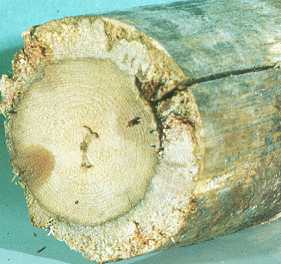
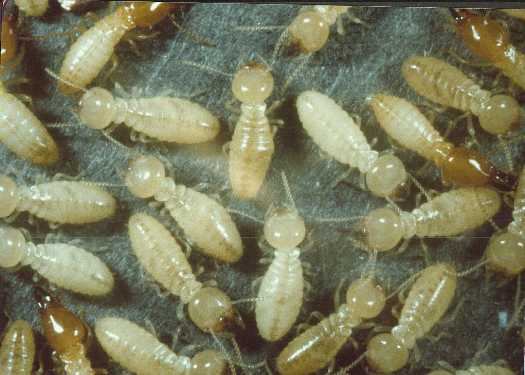
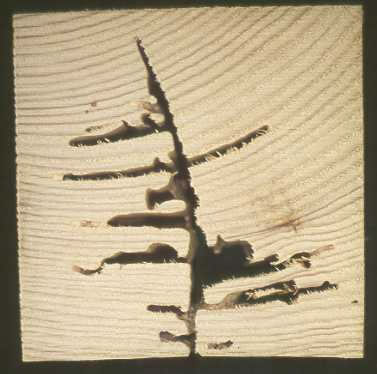
Since remedial treatment is intended to solve a known insect or decay problem, the first thing to do is investigate the extent of the problem and, if necessary, provide...

Get Access to Our Resources

Stay in the loop and don’t miss a thing!

1
2
3

Get Access to Our Resources

Stay in the loop and don’t miss a thing!

What’s Your Occupation?

Help us personalize the content for you.

What Interests You the Most?

Help us personalize the content for you.

Filters

Expertise Icon
Field of Expertise
Province Icon
Province
Member Type Icon
WoodWork National Partners

Filters

Post Type Icon
Post Type
Persona Icon
Persona
Language Icon
Language
Tags Icon
Tags
Mass Timber Plus Icon Environment Plus Icon Safety Plus Icon Durability Plus Icon Design Systems Plus Icon Budget Plus Icon Construction Management Plus Icon Fire Resistance Plus Icon Tall Buildings Plus Icon Short Buildings Plus Icon
Date Icon
Date
Line Separator