The durability of wood is often a function of water, but that doesn’t mean wood can never get wet. Quite the contrary, wood and water usually live happily together. Wood...
...wood however they do not significantly damage the wood structurally. Soft-rot fungi and wood-rotting basidiomycetes can cause strength loss in wood, with the basidiomycetes the ones responsible for decay problems...
...flying ants by the equal size of all four termite wings. Three types of termites can be distinguished on the basis of their moisture requirements: Damp-wood termites Dry-wood termites Subterranean...
...and regional building codes, an overview of such measures may be of use to Canadian marketers of wood products and manufactured homes. Termite control measures can be broadly grouped into...
...other holes or penetrations, checks and delaminations. Moisture flow in wood may be 100 to 1000 times faster along than across the grain. Patterns of moisture distribution in wood are...
...www.durable-wood.com Wood Preservation Canada Canadian Wood Preservation Association CSA O80 Series Wood preservation CSA O86 Engineering design in wood Pest Management Regulatory Agency of Health Canada American Wood Protection Association...
Bolts are widely used in wood construction. They are able to resist moderately heavy loads with relatively few connectors. Bolts may be used in wood-to-wood, wood-to-steel and wood-to-concrete connection types....
...of Canada CSA S347 Method of Test for Evaluation of Truss Plates used in Lumber Joints ASTM D1761 Standard Test Methods for Mechanical Fasteners in Wood Canadian Wood Truss Association...
Nailing is the most basic and most commonly used means of attaching members in wood frame construction. Common nails and spiral nails are used extensively in all types of wood...
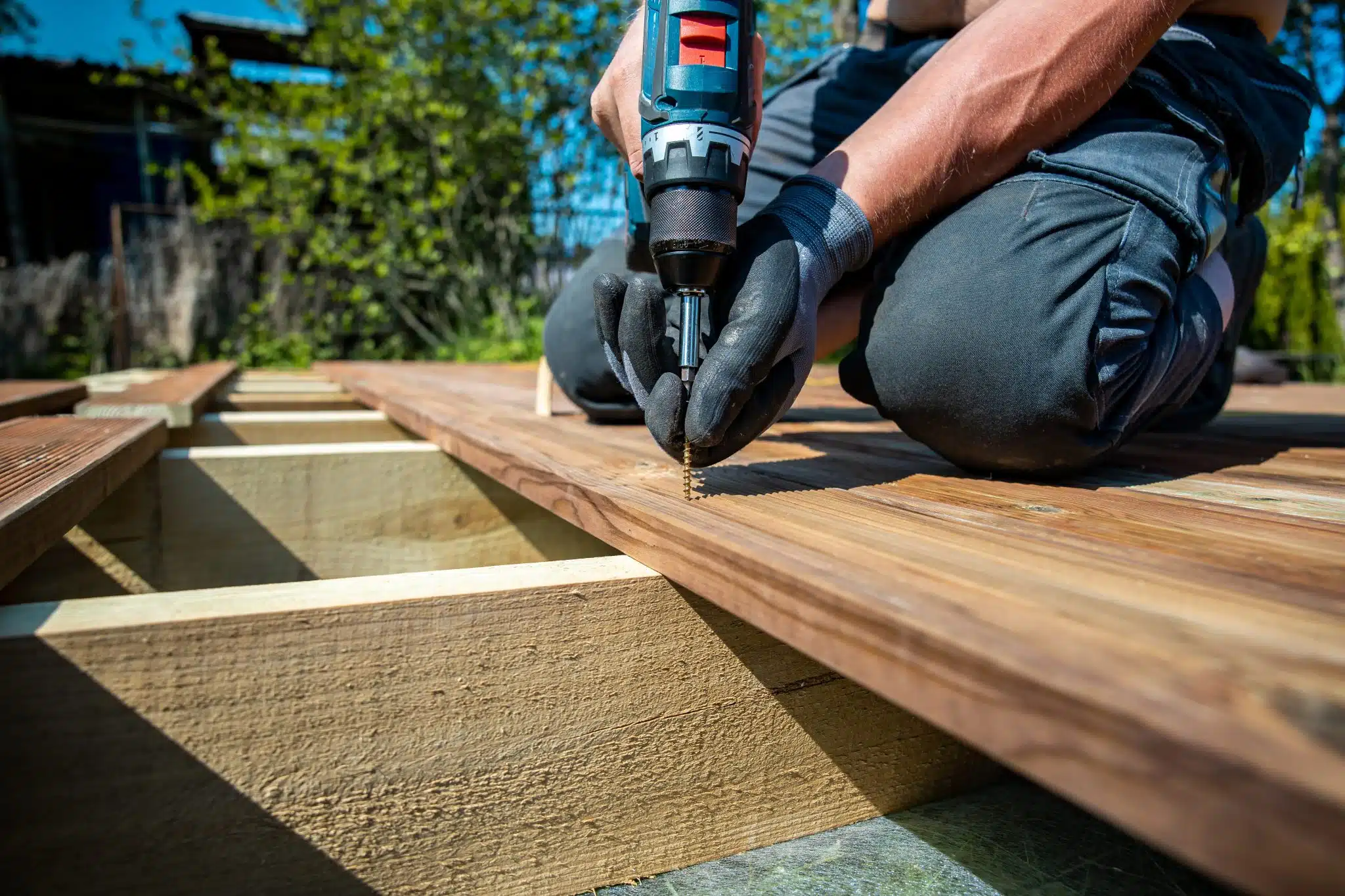
...screws commonly used are shown in Figure 5.4, below. For more information on wood screws, refer to the following resources: ASME B18.6.1 Wood Screws CSA O86 Engineering design in wood...
...the ends of timbers are carved out so that they fit together like puzzle pieces. The variations and configurations of wood-to-wood joints is quite large and complex. Some common wood-to-wood...
...on OSB, please refer to the following resources: APA – The Engineered Wood Association National Building Code of Canada CSA O86 Engineering design in wood CSA O325 Construction sheathing CSA...
In addition to combustible, heavy timber and noncombustible construction, a new construction type is presently being considered for inclusion into the National Building Code...
The National Building Code of Canada (NBC) defines fire safety under Objective OS1: “an objective of this code is to limit the probability that as a result of the design or...
Flame spread is primarily a surface burning characteristic of materials, and a flame-spread rating is a way to compare how rapid flame spreads on the surface of one material...
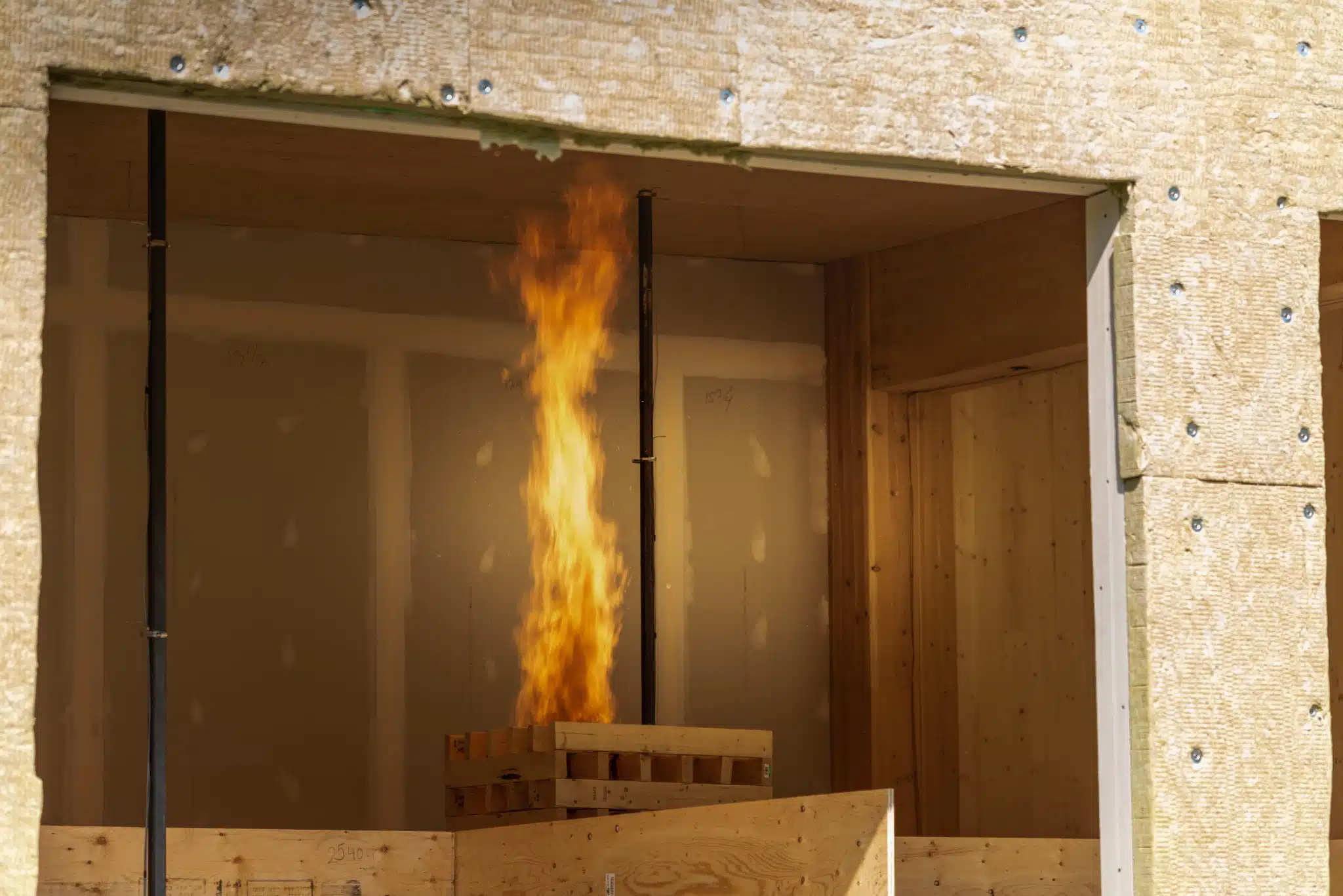
The vulnerability of any building in a fire situation is higher during the construction phase when compared to the susceptibility of the building after it has been completed...
A structure must be designed to resist all the loads expected to act on the structure during its service life. Under the effects of the expected applied loads, the structure...
For many years, the design values of Canadian dimension lumber were determined by testing small clear samples. Although this approach had worked well in the past, there were...
A permanent wood foundation (PWF) is an engineered construction system that uses load-bearing exterior light-frame wood walls in a below-grade application. A PWF consists of...
“Durability by design” is the most important aspect of durable solutions. It starts with using dry wood, storing it appropriately to ensure it stays dry, and then...
For outdoor applications of wood, we have a strong tradition here in North America of using our naturally durable species: Western red cedar, Eastern white cedar, yellow...
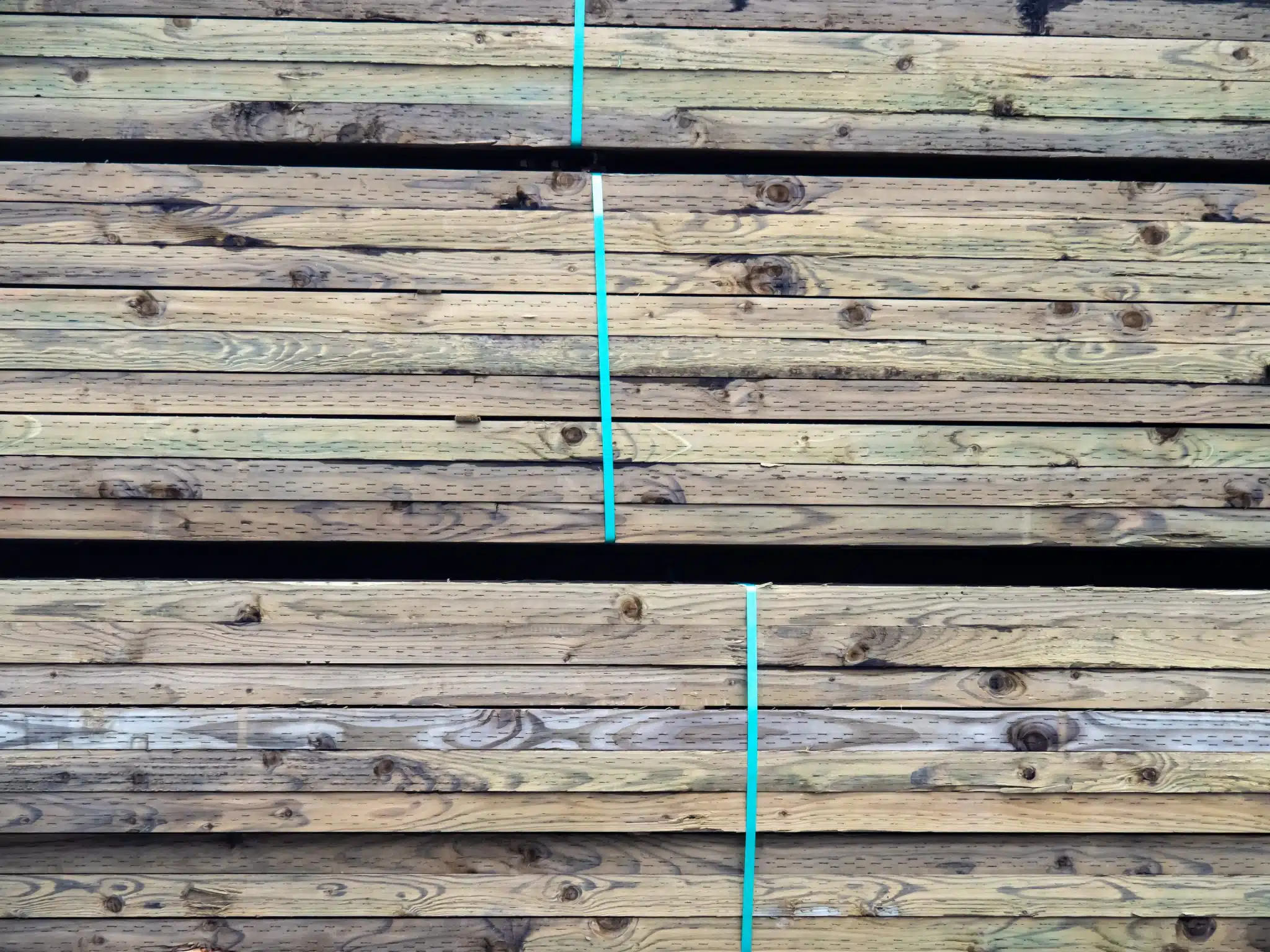
Treating Methods There are two basic methods of treating: with and without pressure. Non-pressure methods are the application of preservative by brushing, spraying or dipping...
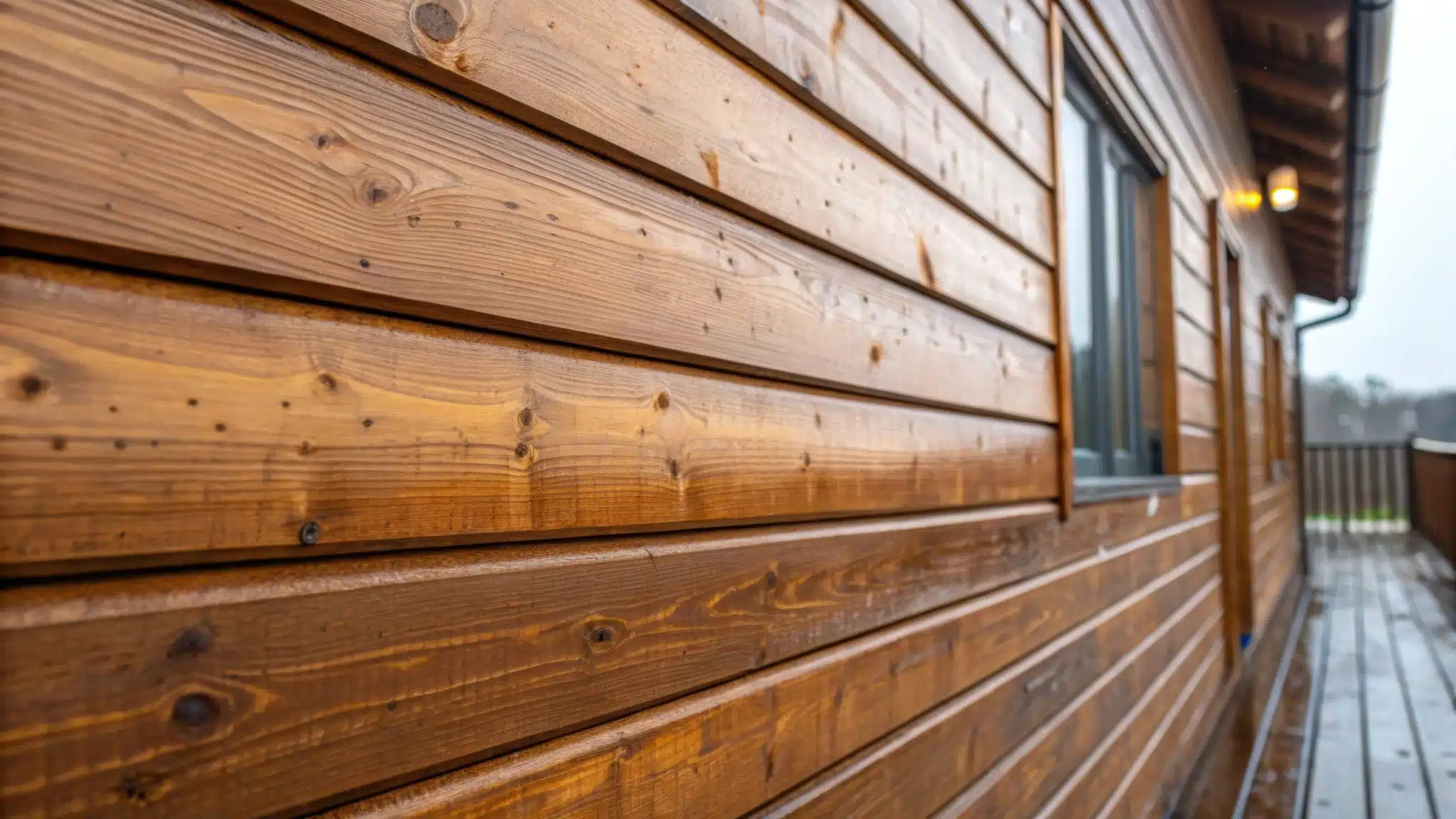
The appearance of wood can be modified with the application of an architectural coating. Architectural coatings are surface coverings such as paints and stains applied...
Non-Pressure Treated Wood For most treated wood, preservatives are applied in special facilities using pressure. However, sometimes this isn’t possible, or the need for...




 Environment
