Searching for: Wood

Searching results for “Wood”
520 results found...
Sort By Dropdown Icon

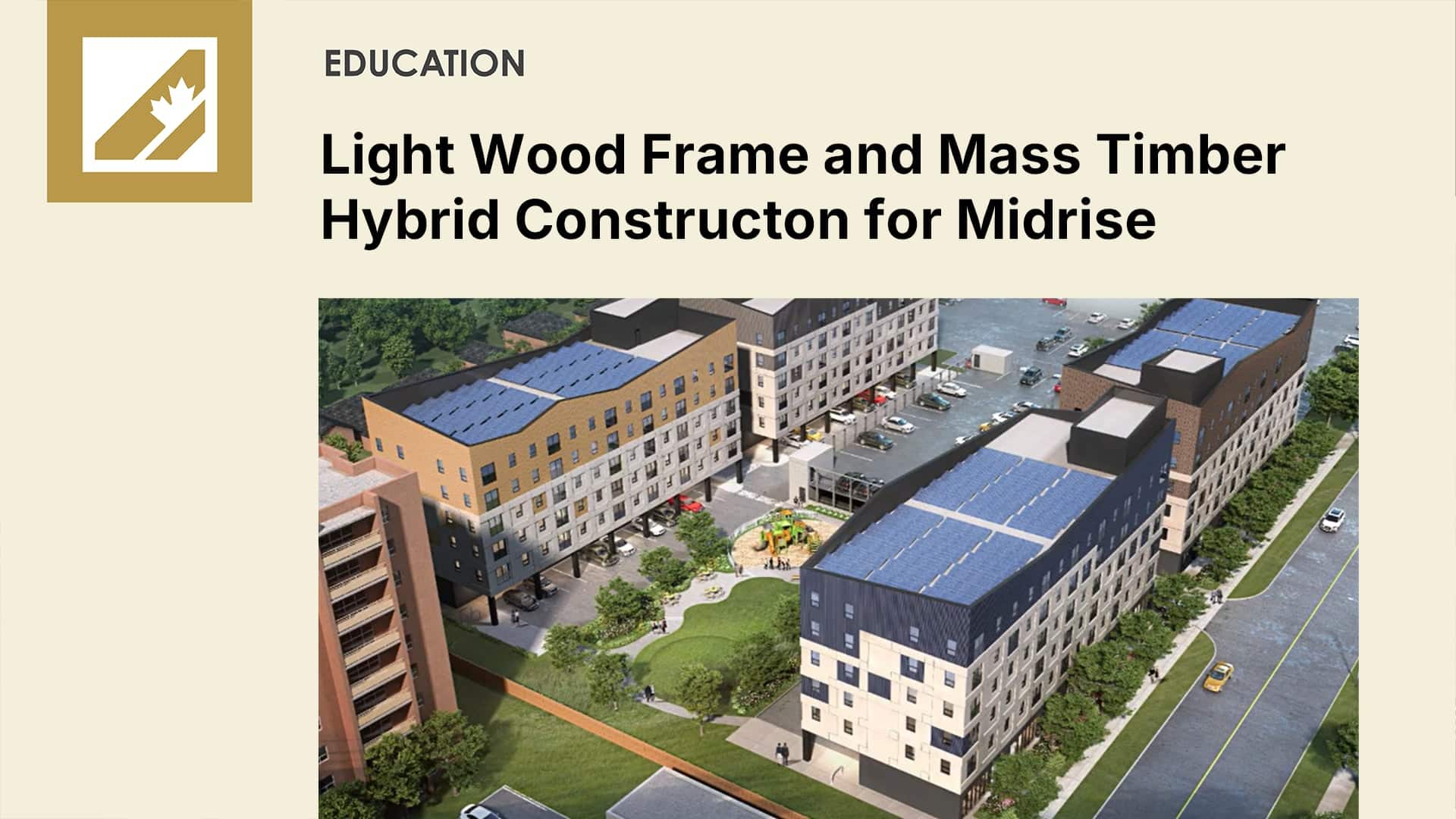
Light Wood Frame and Mass Timber Hybrid Mid-Rise Construction

Course Overview

55 Franklin in Kitchener, Ontario, is a four-building complex of mid-rise residential buildings that the project team is using as an opportunity to explore new and different strategies for delivering quality affordable housing to our Region. Each of the four buildings will be designed as a prototype exploring different construction methodologies and solutions tested against their sustainability impacts. The first building constructed uses a combination of conventional wood framing and mass timber.

Learning Objectives

  1. Understand the impact of mass timber construction on project timelines and the operational efficiencies it can provide.
  2. Analyze the factors influencing the choice of construction methodologies in mid-rise building projects, with a focus on the efficiency and speed of different methods.
  3. Evaluate the challenges associated with municipal approvals when using new building materials like mass timber, including the need for alternative compliance solutions.
  4. Assess the practical benefits of using Cross-Laminated Timber (CLT) in construction, particularly in terms of labor and time savings during the flooring installation process.

Course Video

Speaker Bio

Mike Maxwell
President
Maxwell Building Consultants

Mike was drawn to Waterloo for his degree from Laurier University and has seen local real estate development potential ever since. A combination of zoning bylaw rules, site data chart statistics and construction knowledge produce unique results for projects that he is involved with. He loves the math and the problem solving. In an advisory position with local governments, not-for-profit organizations, and CMHC, Mike has created strong partnerships to move the cause of affordable housing forward.
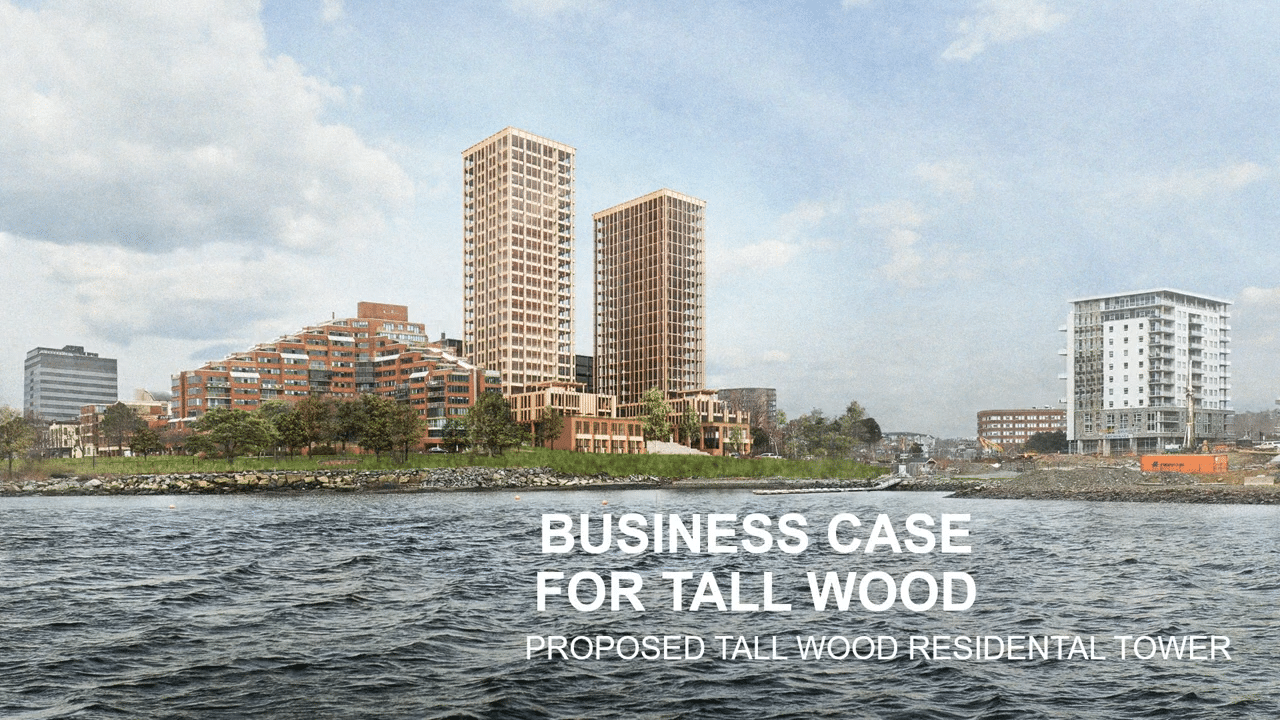
A Business Case for Tall Wood

Course Overview

This session will present a vision and business case for innovation, sustainability, and affordability for the tallest residential wood tower in the world (proposed in Nova Scotia). Addressing rapid delivery to meet urgent residential needs supported by Bird Construction costing and scheduling.

Learning Objectives

  1. Understand the business case for developing tall residential mass timber buildings, including how sustainability, affordability, and rapid delivery needs are addressed through advanced structural design and innovative project phasing strategies.
  2. Identify the key costing, scheduling, and manufacturing considerations that influence the feasibility of tall wood construction, including lessons learned from previous mass timber projects and the role of integrated project teams in mitigating bottlenecks.
  3. Evaluate how mass timber products such as glulam and CLT can support high‑rise residential development, including insights into supply‑chain innovation, local manufacturing capacity, and the broader economic and environmental impacts of tall wood construction in Atlantic Canada.

Course Video

Speaker Bio

Patrick Crabbe
Director of Mass Timber
Bird Construction

Patrick Crabbe is the Director of Mass Timber at Bird Construction – Bird is a publicly traded, commercial and industrial conglomerate, recognized as a top 5 General Contractor (GC) in Canada.

Patrick is also the leader of a Mass Timber Manufacturing start-up, based in Halifax, Nova Scotia. MTC is a sawmill integrated, glulam focused entity, that is currently executing a $2.3M feasibility effort to code approve proprietary high performing mass timber products (made from undervalued-commodity maritime spruce, pine and fir) that will expand the needed capacity of North American mass timber products and positively impact sustainable forestry practises.

Patrick’s professional career has been dedicated to developing markets for high-value structural wood products and working with industry to facilitate the. Through this experience, Patrick has a comprehensive understanding of construction contract methods supply chain solutions to set-up large, complex, mass timber build programs for success.

Patrick is an active member of the Carbon Pricing Leadership Coalition (led by the World Bank) and a trusted advisor to Infrastructure British Columbia and the Canadian Wood Council.

Joe Nickerson
Vice President & Partner
Sidewalk Real Estate Development

Joe Nickerson is a leader with a proven history of success managing a variety of real estate portfolios for high-net-worth families in Toronto, Alberta, and British Columbia. Joe has worked at RBC Capital Markets and for both private and public real estate holding companies ranging from $100M to $11B in AUM. Joe holds an MBA with a specialization in Real Estate & Infrastructure from Schulich School of Business and studied Private Equity & Finance at SDA Bocconi University in Milan, Italy.

Delivering Mid-Rise Housing Solutions – Part 1 Light Wood Frame

Course Overview

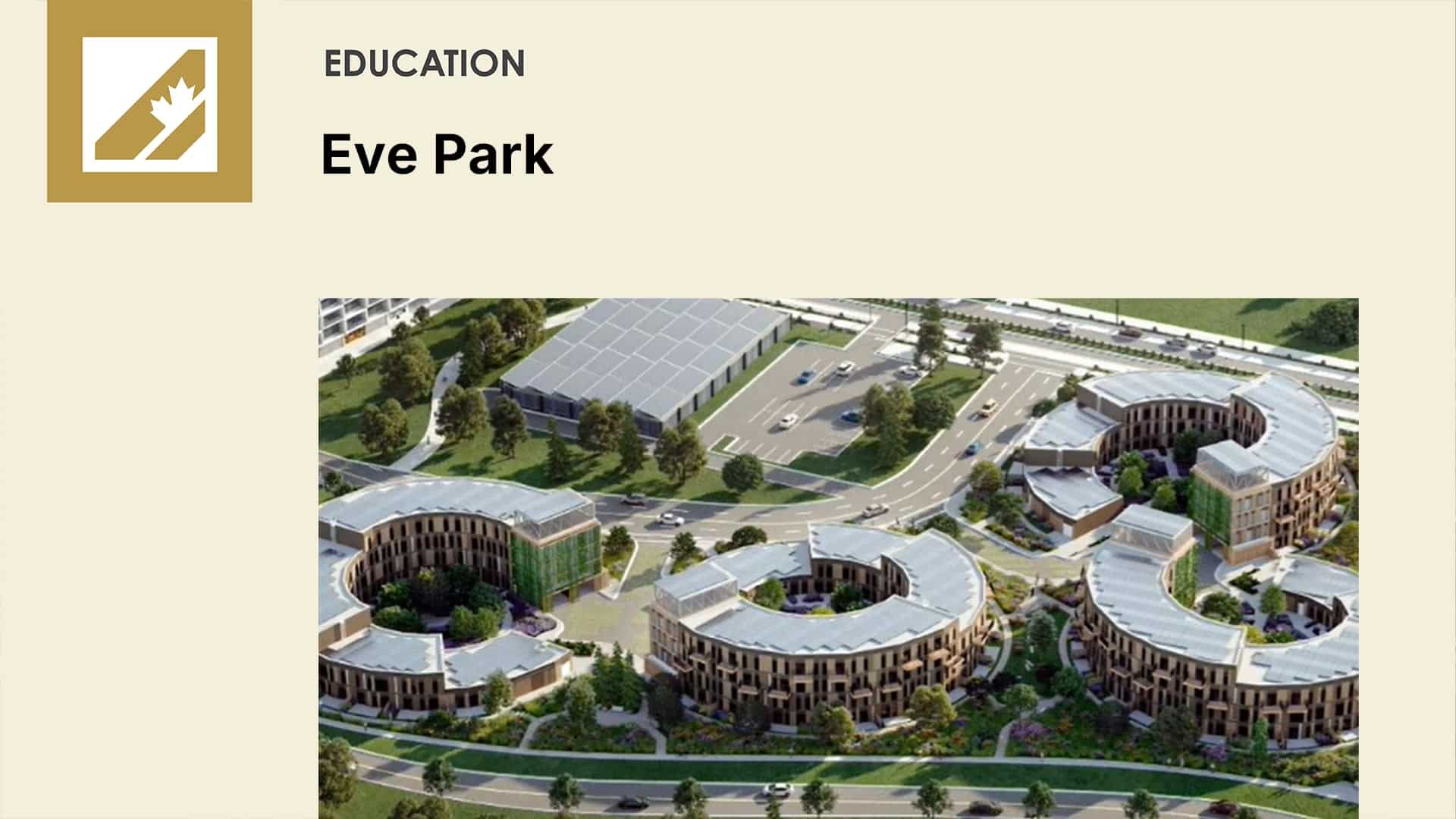
We are excited to be joined by Ashley Hammerbacher and Seungyeon Hong from s2e Technologies Development Inc a team constructing the 4 storey Eve Park in London Ontario. Eve Park is an innovative net zero community with Phase 1 underway. With the unique building shape, it shows that there are no limits with what offsite prefabrication can’t do.

Learning Objectives

  1. Understand the innovative use of prefabricated light wood construction in creating sustainable residential developments – design choices, construction techniques, and sustainability goals.
  2. Analyze the design and logistical challenges in implementing prefabricated construction systems, including coordination between various stakeholders.
  3. Evaluate the benefits of modular construction in achieving sustainability goals, such as Net Zero Energy standards.
  4. Discuss the role of innovative parking solutions and community design in enhancing the sustainability and livability of residential developments.

Course Video

Speaker Bio

Ashley Hammerbacher
Managing Director
S2E Technologies

Ashley is a Managing Director for the US division of S2E Technologies and is the EVE Park Project Lead. She is currently living and breathing everything EVE Park. Ashley is coordinating and advising on EVE Park where we are reimagining neighbourhoods for green energy along with the future of aut-on-omous vehicles. Ashley holds a Bachelors in Bioengineering and a Masters in Civil and Environmental Engineering from Stanford University, and has accumulated a breadth of experience in green technology and intelligent mobility.

Seungyeon Hong
Modelling and Data Specialist
S2E Technologies

Seung is a Modelling and Data Specialist at S2E Technologies. His role includes providing technical analysis on all matters related to buildings. This includes developing physics-based computer simulations to study a building’s behaviour and estimate the associated energy use, which helps guide design decisions and achieve net-zero energy design. Seung had earned a Bachelor’s and Master’s degrees in Civil Engineering at Carleton University, apprenticed as a timber-framer in South Korea, worked as structural inspector, wrote a thesis on BIM-BEM interworking, and co-led a team of graduate students to win a national Hackathon.

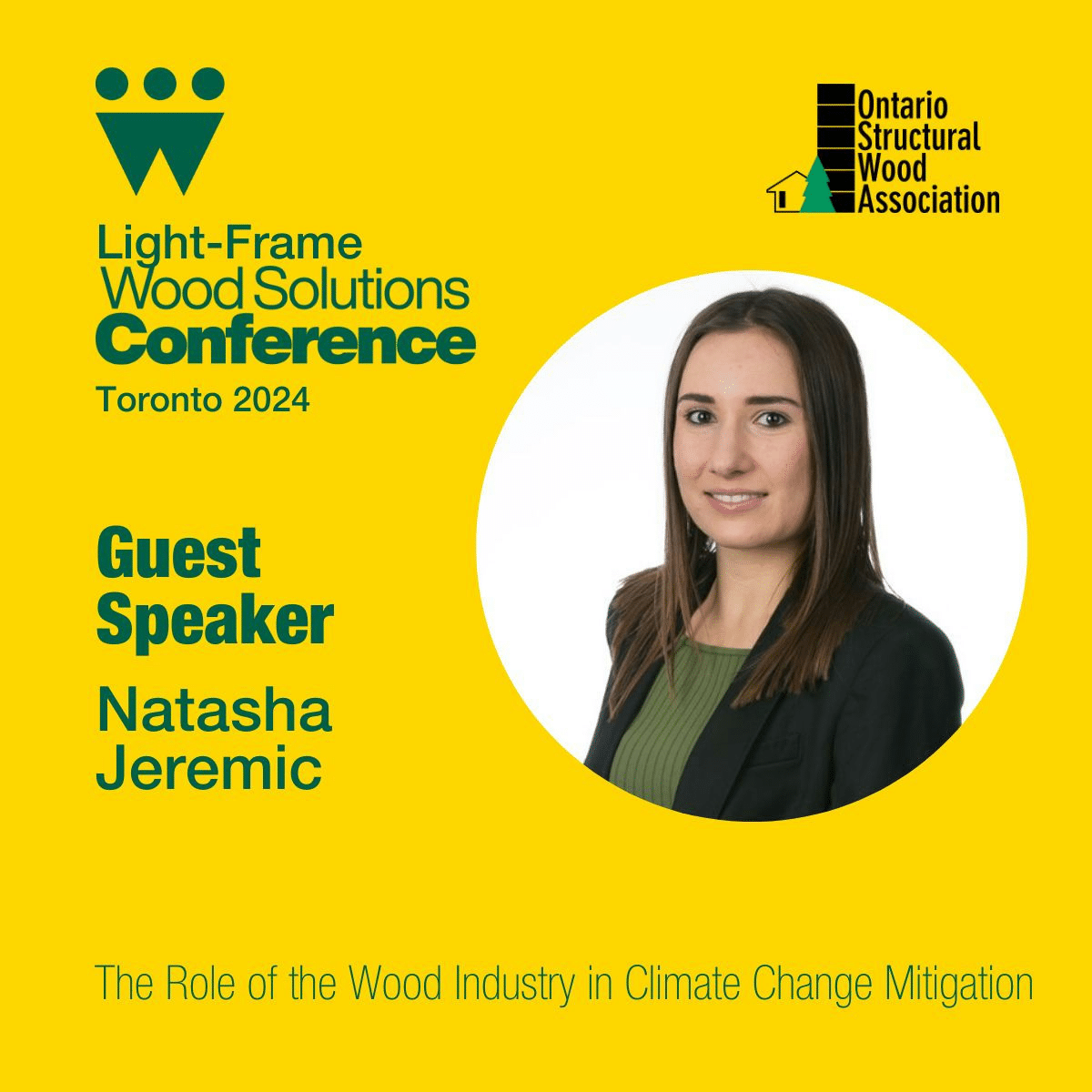
The Role of the Wood Industry in Climate Change Mitigation

Course Overview

This presentation will describe the role of the wood industry in mitigating the impacts the built environment has on climate change. Learn about the importance of embodied carbon in construction and how wood has the ability to influence positive change in the building sector’s decarbonization efforts.

This session will highlight current research programs such as National Research Council Canada’s initiative on Low-carbon assets through life cycle assessment (LCA2) and emerging initiatives such as embodied carbon provisions in municipal and national building standards and codes.

Learning Objectives

These objectives are aligned with key concepts in sustainability, building regulations, and lifecycle assessments within the building sector.

  1. Understanding Embodied Carbon:
    Objective: To learn what embodied carbon is, how it is relevant to building materials, and its implications for sustainability in construction.
    Relevance: Knowing the sources of embodied carbon helps in making informed decisions about material selection to reduce environmental impact.
  2. Role of Wood in Sustainable Construction:
    Objective: To understand the environmental benefits of using wood in construction, including its properties as a low-carbon material.
    Relevance: Grasping why wood is considered a sustainable choice can influence policies, building practices, and material selection, supporting climate change mitigation efforts.
  3. Biogenic Carbon Concept:
    Objective: To comprehend what biogenic carbon is, how it is stored in wood, and the significance of using wood to capture and store carbon.
    Relevance: Learning about biogenic carbon can lead to greater appreciation of sustainable forestry and its role in carbon sequestration, promoting the use of renewable resources.
  4. Regulatory Expectations and Future Trends in Building Materials:
    Objective: To gain insight into future regulatory changes regarding building materials, specifically the focus on reducing embodied carbon.
    Relevance: Understanding these regulatory trends prepares professionals to comply with upcoming standards and encourages the adoption of sustainable practices in construction.
These objectives help learners—from construction professionals to students and policy makers—understand critical aspects of sustainability in the building industry, encouraging the implementation of practices that reduce the environmental impact of construction activities.

Course Video

Speaker Bio

Natasha Jeremic, MASc, PEng, LEED GA
Manager Codes and Standards – Sustainability
Canadian Wood Council

Natasha Jeremic is Manager of Sustainability in the Codes and Standards group at the Canadian Wood Council. She is engaged in strategic building code and standards initiatives related to sustainability, circularity, and durability. Natasha leverages her experience in structural design, building performance, and whole life carbon accounting to demonstrate that wood products are a viable solution for a sustainable and low-carbon built environment.

Wood Design & Building Magazine, vol 24, issue 95

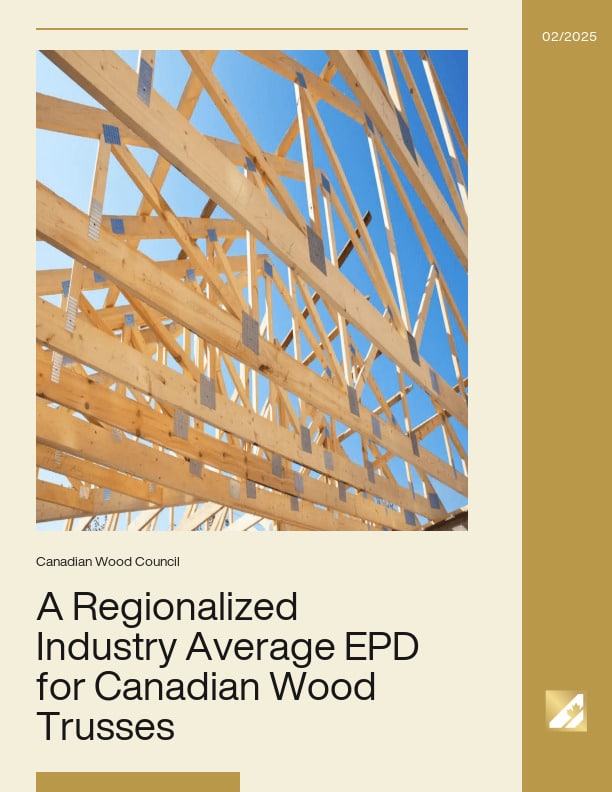
A Regionalized Industry Average EPD for Canadian Wood Trusses

This is a Canadian regionalized industry wide (average) business-to-business Type III environmental product declaration (EPD) for pre-fabricated wood trusses. This declaration has been prepared in accordance with ISO 21930 (1), ISO 14025 (2), ISO 14040 (3), ISO 14044 (4), the governing product category rules (5), and ASTM General Program Instructions for Type III EPDs (6). The intent of this document is to transparently disclose comprehensive environmental information related to the potential impacts associated with the cradle-to-gate life cycle stages of wood trusses manufactured in Canada.

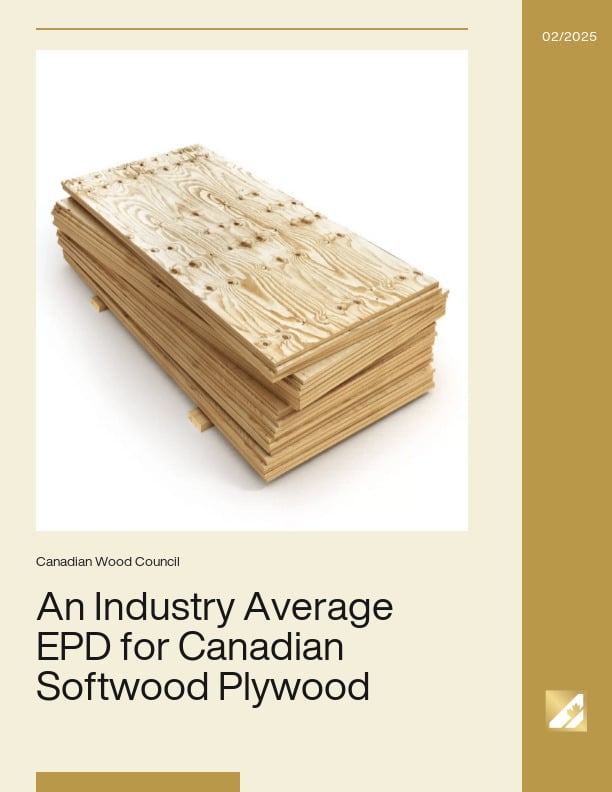
An Industry Average EPD for Canadian Softwood Plywood

This is a Canadian industry wide (average) business-to-business Type III environmental product declaration (EPD) for softwood plywood. This declaration has been prepared in accordance with ISO 21930 (1), ISO 14025 (2), ISO 14040 (3), ISO 14044 (4), the governing product category rules (5), and ASTM General Program Instructions for Type III EPDs (6). The intent of this document is to transparently disclose comprehensive environmental information related to the potential impacts associated with the cradle-to-gate life cycle stages of softwood plywood manufactured in Canada.

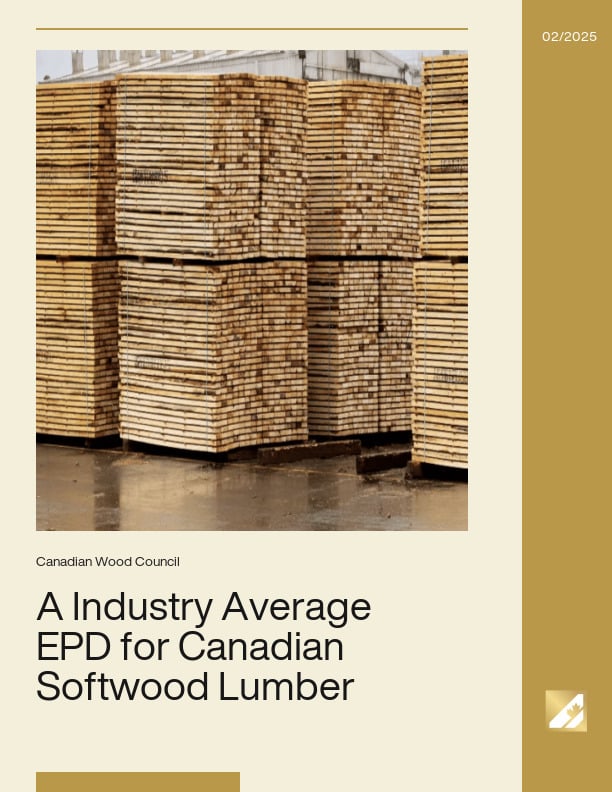
A Regionalized Industry Average EPD for Canadian Softwood Lumber

This is a Canadian regionalized industry wide (average) business-to-business Type III environmental product declaration (EPD) for softwood lumber. This declaration has been prepared in accordance with ISO 21930 (1), ISO 14025 (2), ISO 14040 (3), ISO 14044 (4), the governing product category rules (5), and ASTM General Program Instructions for Type III EPDs (6). The intent of this document is to transparently disclose comprehensive environmental information related to the potential impacts associated with the cradle-to-gate life cycle stages of softwood lumber manufactured in various Canadian provinces and regions.

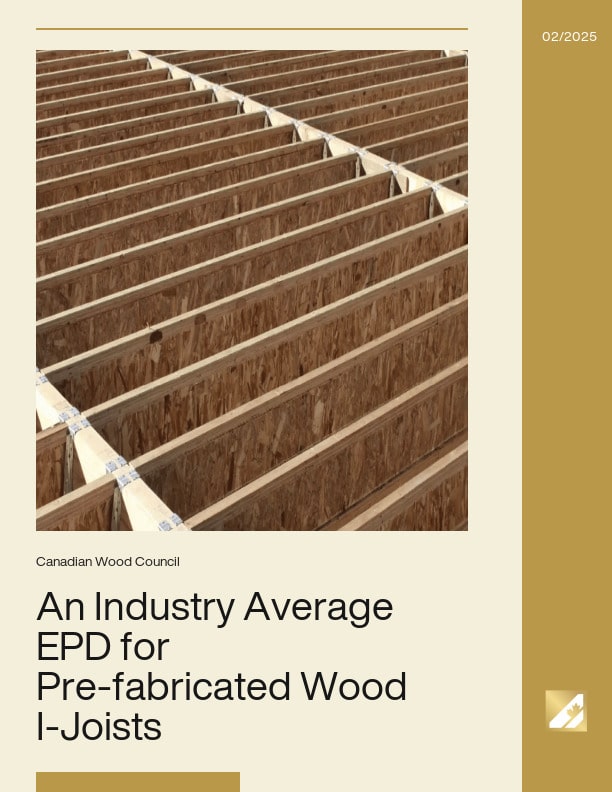
An Industry Average EPD for Canadian Pre-fabricated Wood I-Joists

This is a Canadian industry wide (average) business-to-business Type III environmental product declaration (EPD) for pre-fabricated wood I-joists. This declaration has been prepared in accordance with ISO 21930 (1), ISO 14025 (2), ISO 14040 (3), ISO 14044 (4), the governing product category rules (5), and ASTM General Program Instructions for Type III EPDs (6). The intent of this document is to transparently disclose comprehensive environmental information related to the potential impacts associated with the cradle-to-gate life cycle stages of wood I-joists manufactured in Canada.

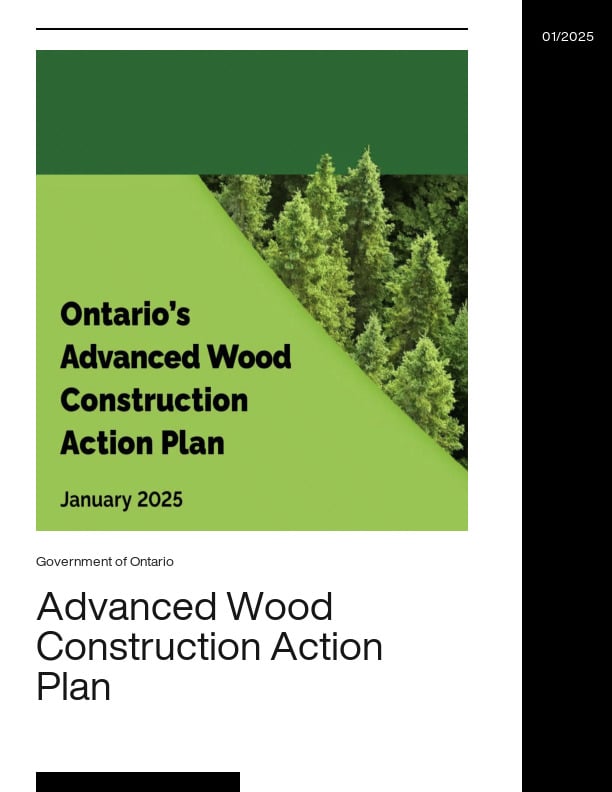
Advanced Wood Construction Action Plan

As part of Sustainable Growth: Ontario’s Forest Sector Strategy, the Government of Ontario committed to increasing the use of wood in construction to grow and diversify the market for Ontario’s wood products. This commitment will drive economic prosperity in the province, help to bolster the supply of available housing and support workforce development, all while helping to mitigate climate change stemming from buildings sector emissions.

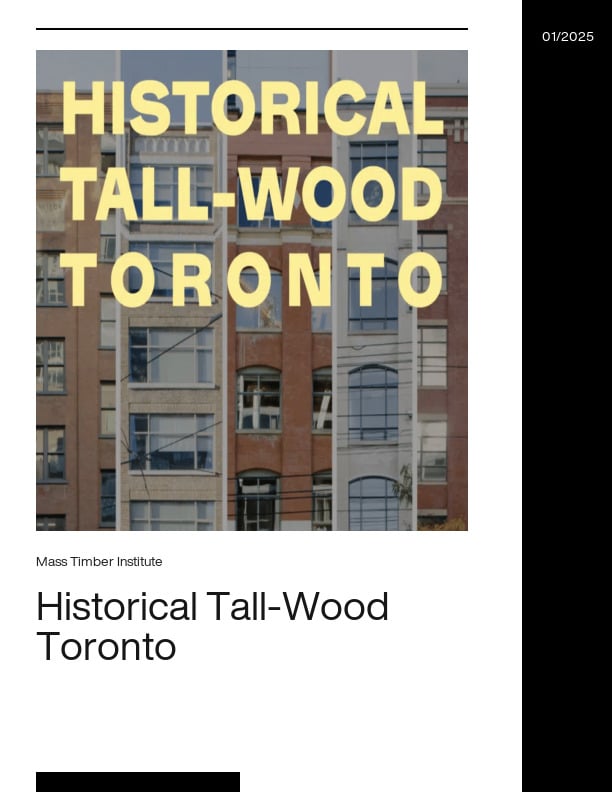
Historical Tall-Wood Toronto

Courtesy of the Mass Timber Institute

There is much to learn from the resilient and adaptable warehouse buildings that line the streets of Canada’s historic manufacturing districts. ‘Historical Tall-Wood Toronto’ is an evidentiary database of late 19th and early 20th century vernacular brick and beam buildings that were built using the fire restrictive specifications and construction technology of Heavy Timber Mill-Construction (mill-construction) in Toronto.

TallWood 1 Quiz
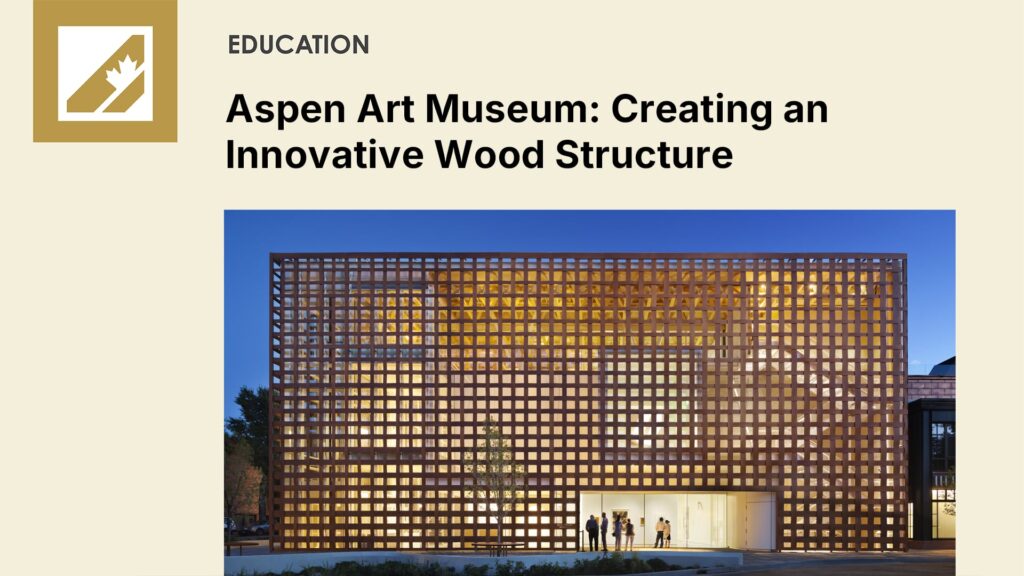
Aspen Art Museum: Creating an Innovative Wood Structure
Online Tools for Wood Construction
Wood in Low-Rise Commercial Buildings
Excellence and Innovation: Inspirational Wood Buildings in the UK
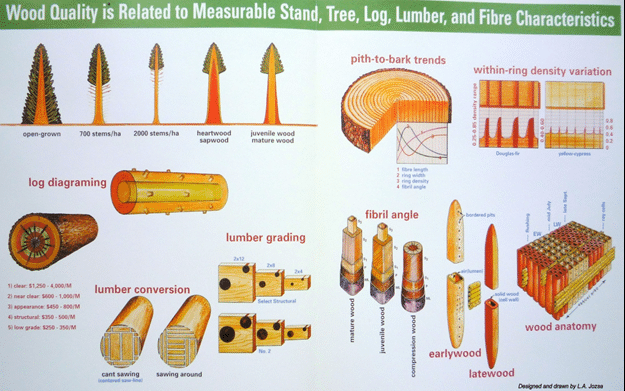
Practical Aspects of Wood Quality for Architects and Engineers
Mid Rise Engineering Considerations for Engineered Wood Products – 2024 Edition
On Site Moisture Management of Wood Frame Construction
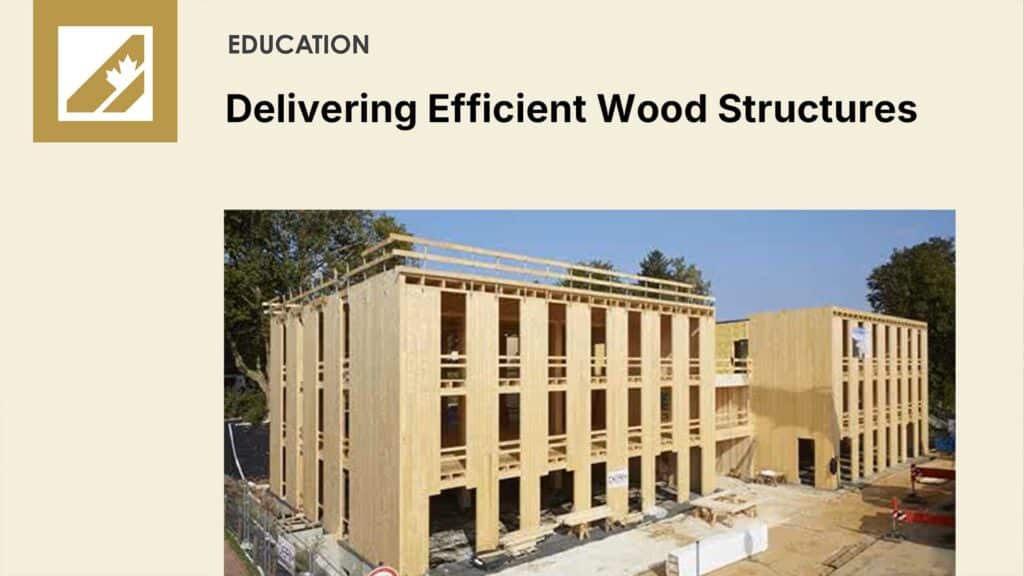
Delivering Efficient Engineered Wood and Hybrid Structures
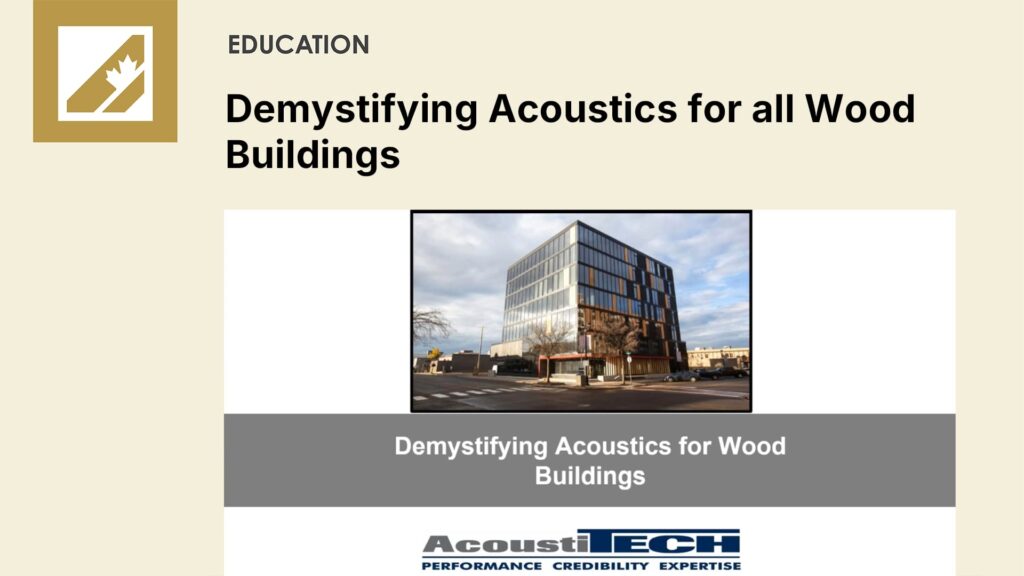
Demystifying Acoustics for All Wood Buildings
Tallwood 1
The Importance of Proper Specification: Agricultural, Commercial, and Industrial Applications for Pressure Treated Wood
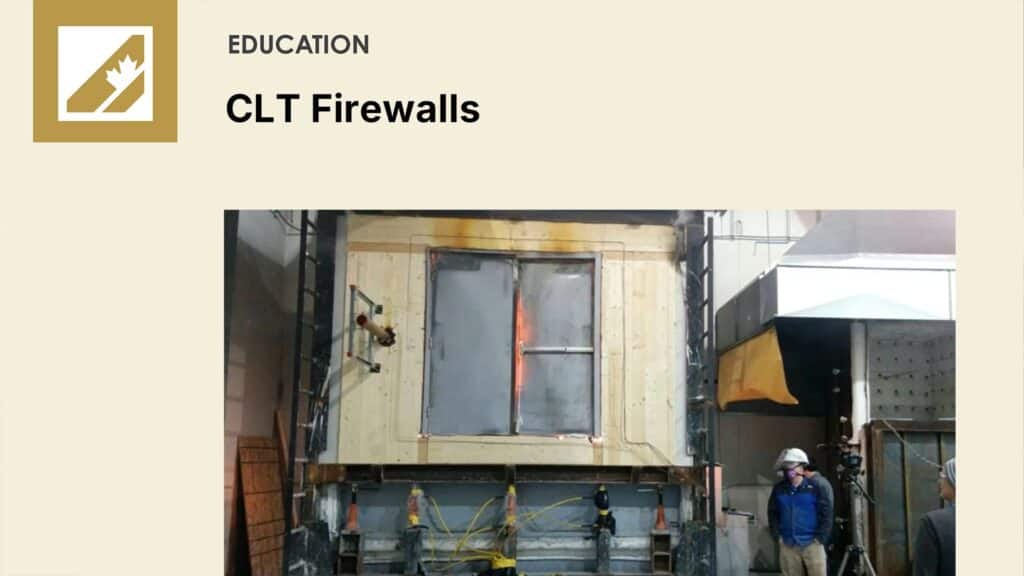
Course Overview Fire performances of CLT fire separations with closure (door) or service (pipe) penetrations will be discussed. Learning Objectives Beyond the introduction of...
Course Overview Melissa will discuss the role of the specialty structural engineer in glulam connection design for your project. Tips will be provided to help streamline the...
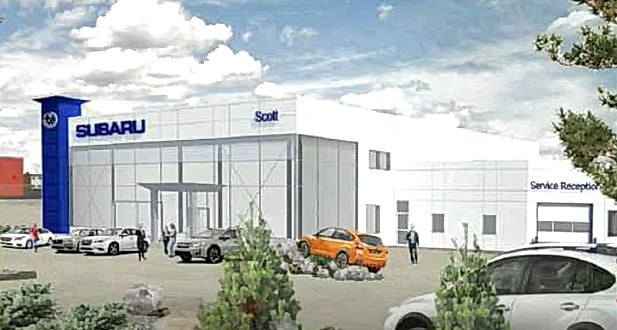
Course Overview Building a wood frame Car Dealership is a unique proposition to begin with. Making it a Certified Passivehouse building in cold windy Red Deer is an added...
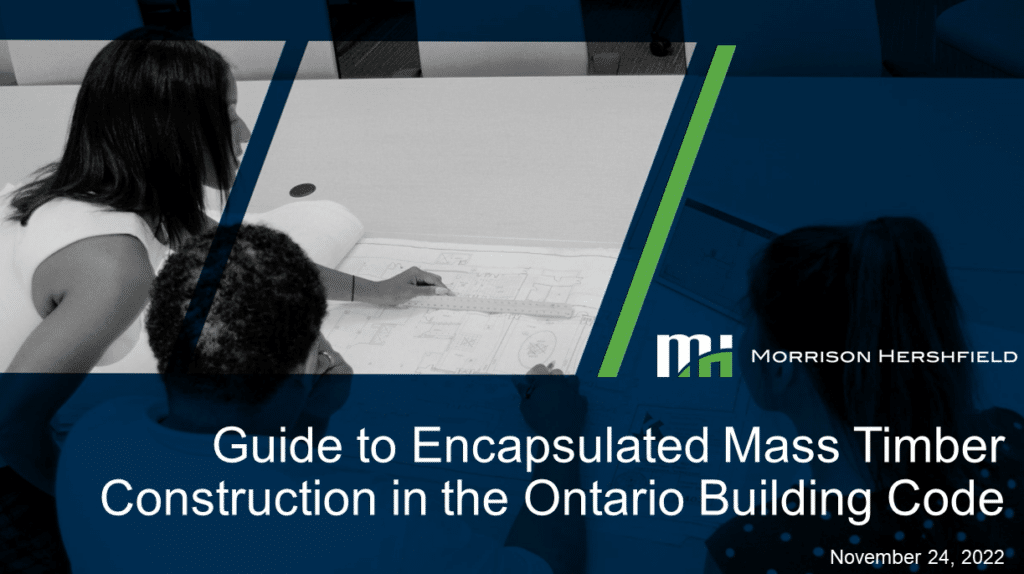
Course Overview This 2-hour technical webinar will begin with an overview of ongoing fire research at the National Research Council of Canada into various performance aspects...
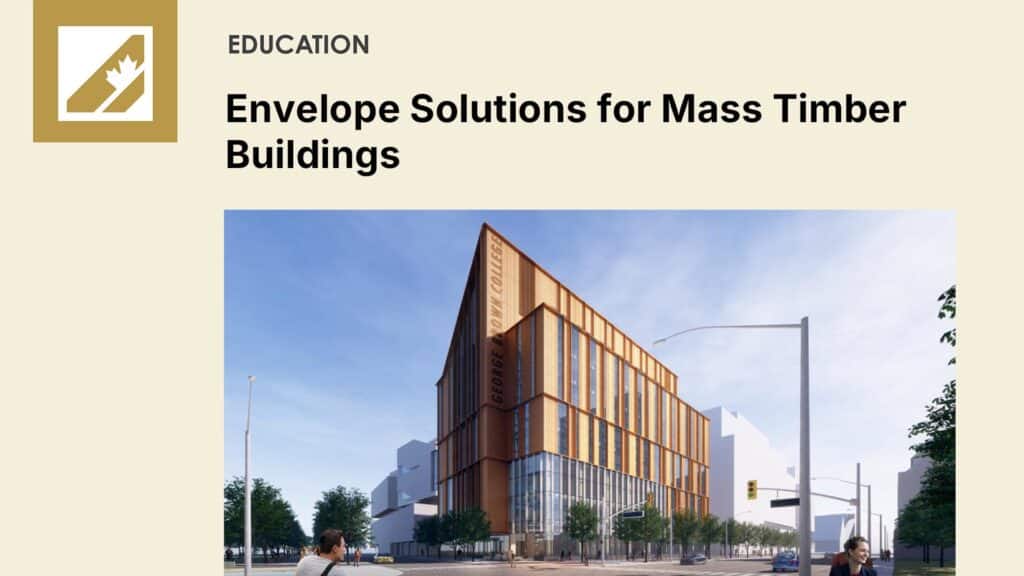
Course Overview As society strives toward lower-carbon construction and increased operational efficiency of the built environment, we know that a building’s envelope...
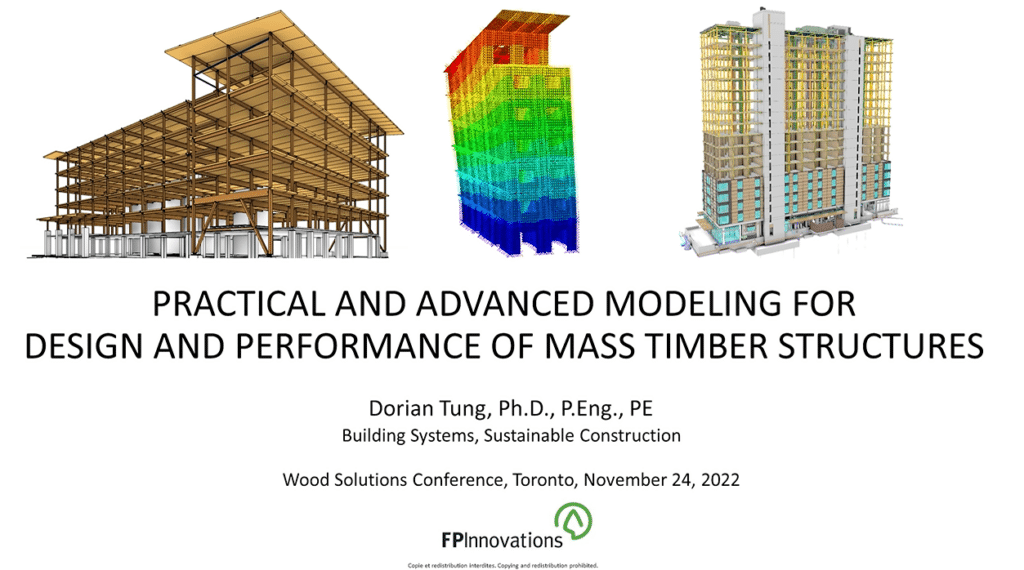
Course Overview FPInnovations’s Modeling Guide for Timber Structures is the result of global collaboration from over 100 experts. This definitive guide for timber structure...
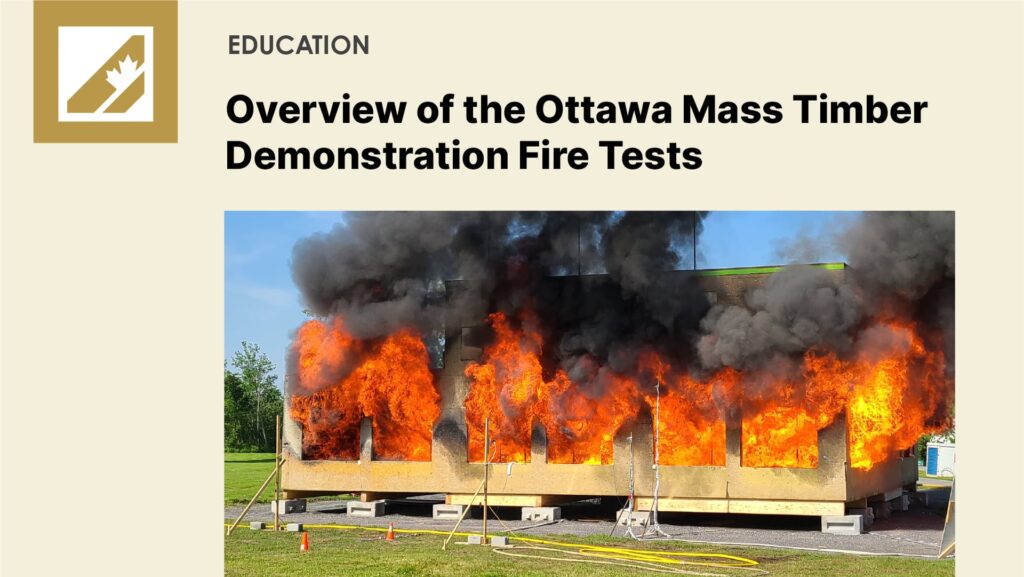
Course Overview The presentation will provide an overview of the Mass Timber Demonstration Fire Tests which were conducted during the summer and fall of 2022. Past research...
Course Overview This 2-hour technical webinar will begin with an overview of ongoing fire research at the National Research Council of Canada into various performance aspects...
Course Overview Delivering superior acoustic comfort to building occupants doesn’t have to be complicated. In this panel discussion, presented by an industry-leading...
Course Overview In this session using specific project case studies, discover the latest ground-breaking advancements in sound technology that are transforming acoustic...
Course Overview Since Engineered Lumber Products are proprietary, there is a range of opinions about how much information to show on a set of Structural drawings. Should the...
Course Overview Coming Soon Learning Objectives The presentation will be focused on providing a summary of the Mass Timber Demonstration Fire Test Program’s results and...

Get Access to Our Resources

Stay in the loop and don’t miss a thing!

1
2
3

Get Access to Our Resources

Stay in the loop and don’t miss a thing!

What’s Your Occupation?

Help us personalize the content for you.

What Interests You the Most?

Help us personalize the content for you.

Filters

Expertise Icon
Field of Expertise
Province Icon
Province
Member Type Icon
WoodWork National Partners

Filters

Post Type Icon
Post Type
Persona Icon
Persona
Language Icon
Language
Tags Icon
Tags
Mass Timber Plus Icon Environment Plus Icon Safety Plus Icon Durability Plus Icon Design Systems Plus Icon Budget Plus Icon Construction Management Plus Icon Fire Resistance Plus Icon Tall Buildings Plus Icon Short Buildings Plus Icon
Date Icon
Date
Line Separator