en-ca

Searching for: wood

Searching results for “wood”
252 results found...
Sort By Dropdown Icon

Engineering Guide for Wood Frame Construction 2014

The Engineering Guide for Wood Frame Construction has been produced by CWC to provide guidance to engineers, building designers, building officials, builders, and students of these disciplines on the structural design of wood elements and connections for wood frame buildings that fall within the scope of Part 9 of the NBC. The Guide was revised, in this 2014 Edition, in order to conform to changes in the 2015 edition of the NBC.

Fire Safety Challenges of Tall Wood Buildings

Acknowledging the growing importance of designing sustainable buildings and addressing overpopulation concerns, the development of engineered wood products has introduced the possibility of constructing high-rise timber structures that can improve both these conditions. However, as a combustible material, one of the biggest barriers to construction of tall timber buildings is the potential fire risk resulting from the combustible structure. In November 2012, the Fire Protection Research Foundation commissioned the Fire Safety Challenges of Tall Wood Buildings study to address this concern. Phase I of this two-phase study seeks to collect the available knowledge of fire safety in timber structures and identify gaps in knowledge that would further the understanding of fire performance of tall timber buildings. Results of the study, including a summary of timber construction and fire dynamics, is presented herein.

Wood Design Awards, 2013

Wood Design Awards, 2012

The Case for Tall Wood Buildings

Wood is the most significant building material we use today that is grown by the sun. When harvested responsibly, wood is arguably one of the best tools architects and engineers have for reducing greenhouse gas emissions and storing carbon in our buildings. The Case for Tall Wood Buildings expands the discussion of where we will see wood and specifically Mass Timber in the future of the world’s skylines. As we pursue the solar and green energy solutions that Thomas Edison spoke of over 80 years ago, we must consider that we are surrounded by a building material that is manufactured by nature, a material that is renewable, durable and strong.

This report introduces a major opportunity for systemic change in the building industry. For the last century there has been no reason to challenge steel and concrete as the essential structural materials of large buildings. Climate change now demands that we do. The work of thousands of scientists with the United Nations Intergovernmental Panel on Climate Change (IPCC) has defined one of the most significant challenges of our time. How we address climate change in buildings is a cornerstone in how the world will tackle the need to reduce emissions of green house gases and indeed find ways to store those same gases that are significantly impacting the health of our planet. Just as the automobile industry, energy sector and most other industries will see innovations that challenge the conventions of the way we will live in this century, the building industry must seek innovation in the fundamental materials that we choose to build with. In a rapidly urbanizing world with an enormous demand to house and shelter billions of people in the upcoming decades we must find solutions for our urban environments that have a lighter climate impact than today’s incumbent major structural materials. This report is a major step in that direction. Indeed it introduces the first significant challenge to steel and concrete in tall buildings since their adoption more than a century ago.

Wood Design Awards, 2011

Wood Design Awards, 2010

Wood Reference Handbook

The Wood Reference Handbook is much more than a guide to the architectural use of wood in building construction – it is a beautifully assembled homage to fine wood craftsmanship throughout the world.

Introduction to Wood Building Technology

Engineers, architects, building code officials, builders, developers, students and professors all turn to Introduction to Wood Building Technology – the most current guide to the construction of wood buildings.

Canadian Lumber Properties

Canadian Lumber Properties is a source of information on the structural properties of Canadian softwood lumber derived from full-size (“in-grade”) tests.

Wood Highway Bridges

Wood Highway Bridges demonstrates how wood bridges can be designed to be assembled rapidly, resist deterioration caused by de-icing chemicals, and utilize stress-laminating in decks to provide long-term performance.

Wood Piles

Wood Piles provides clear and concise coverage of a topic that is often considered obscure However, wood piling has been used around the world to support heavy loads for centuries – and it is still in use today

Mid-Rise Buildings
...British Columbia (Canadian Wood Council) National Building Code of Canada Wood Design Manual (Canadian Wood Council) CSA O86 Engineering design in wood Wood for Mid-Rise Construction (Wood WORKS! Atlantic) Fire...
Mid-Rise FAQs
...at a changing landscape (Part 1) Mid-rise Wood Construction – a detailed look at a changing landscape (Part 2) Seven-storey wood-frame earthquake test BC Housing is supporting wood-frame construction for seniors’ rental...
National Model Codes in Canada
...as well as members of the public. Canadian Wood Council representatives hold membership status on several of the standing committees and task groups acting under the CCBFC and participate actively...
Wood design in the National Building Code of Canada
...expected to foster a spirit of innovation and create new opportunities for Canadian manufacturers. Requirements related to the specification of structural wood products and wood building systems that relates to...
Supplemental Treatment
...done in applications such as wood foundations, agricultural buildings, or non-residential long-life applications such as utility poles and bridge timbers. For wood foundations and agricultural buildings, it is normal to...
Fasteners
...environments.  For borate-treated wood used inside buildings, the same connectors can be used as for untreated wood. Recommendations on Fasteners for Treated Wood Fasteners for use in treated wood that...
Treatability
...Heartwood White Spruce 2 3-4 Heartwood Engelmann Spruce 2 3-4 Heartwood Black Spruce 2 4 Heartwood Red Spruce 2 4 Heartwood Sitka Spruce 2 3 Heartwood Lodgepole Pine 1 3-4...
Resilience
...and some wood species that demonstrate low flame spread ratings (less than 75).   For further information, refer to the following resources: Resilient and Adaptive Design Using Wood (Canadian Wood...
Remedial Treatment
...lost strength may be removed. Be aware that a wood decay fungus may have penetrated well beyond the boundaries of the visibly rotted wood. Since deterioration is underway, a rapid...
Surface Pre-treatment
...deep into the wood. In New Zealand, framing lumber has been treated with borates using this process since the 1950s. Dip-diffusion works well with wood species that are mostly sapwood...
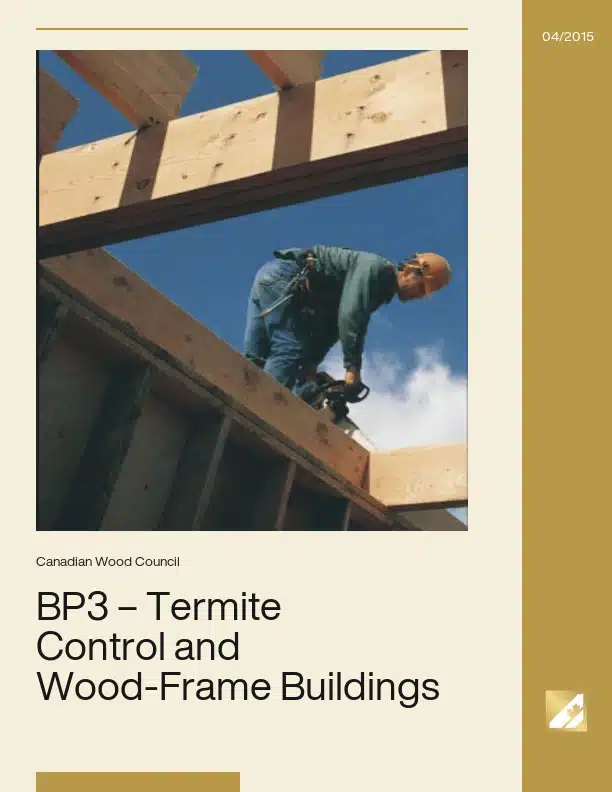
Termites
...flying ants by the equal size of all four termite wings. Three types of termites can be distinguished on the basis of their moisture requirements: Damp-wood termites Dry-wood termites Subterranean...
Controlling Termites
...and regional building codes, an overview of such measures may be of use to Canadian marketers of wood products and manufactured homes. Termite control measures can be broadly grouped into...
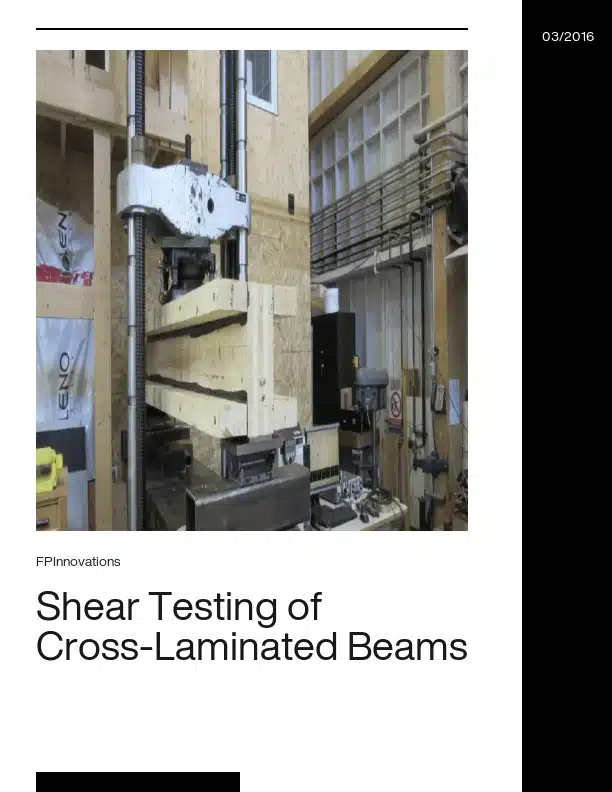
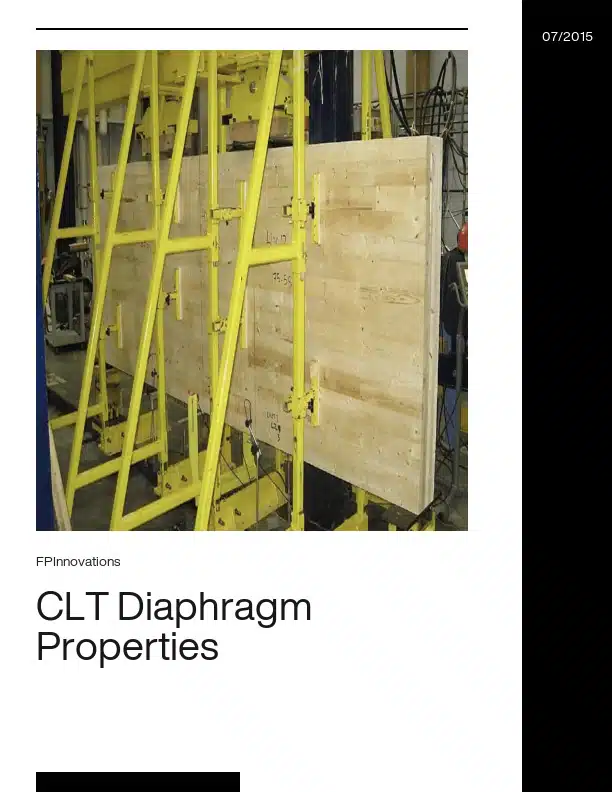
A testing program related to the evaluation of the mechanical properties of CLT diaphragms used in construction was carried out by the Advanced Building Systems (ABS)...
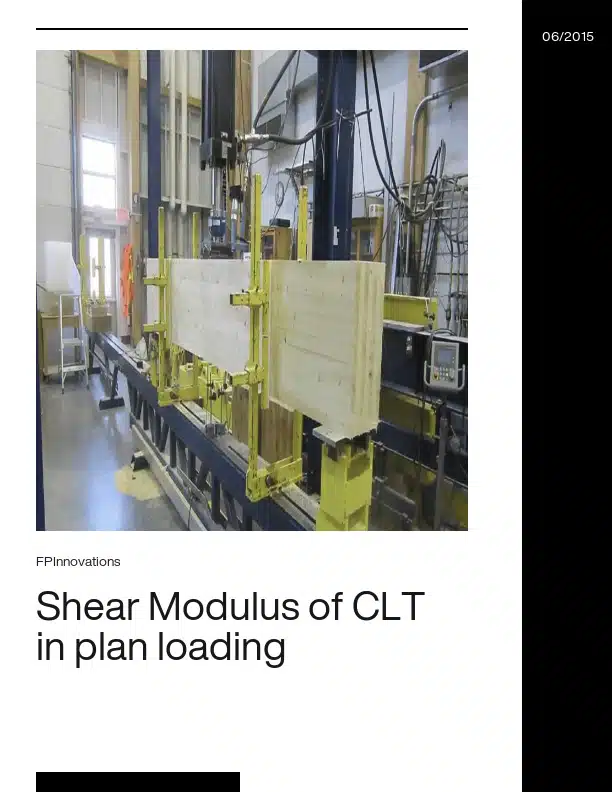
A testing program was carried out by the Advanced Building Systems (ABS) Department of FPInnovations in response to a request made by Mrs. Julie Frappier of Nordic Engineered...
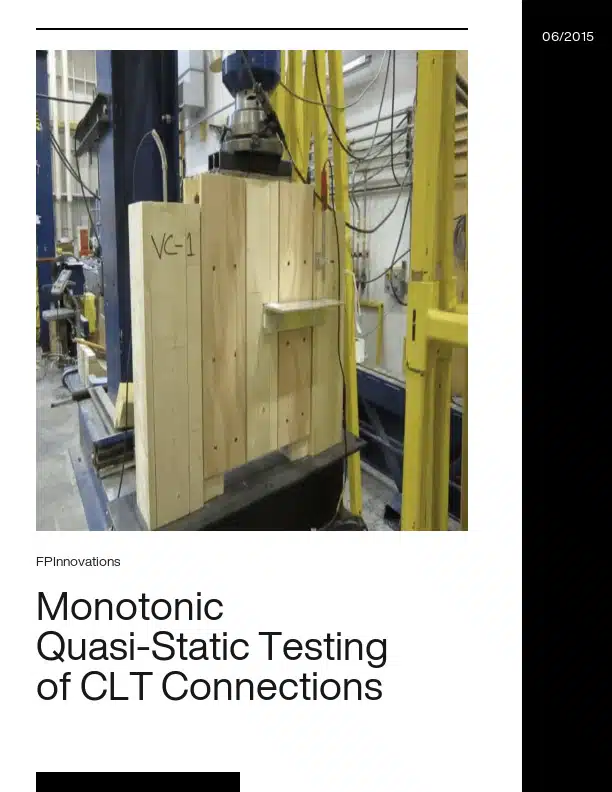
This testing program was carried out by the Advanced Building Systems (ABS) Department of FPInnovations in response to a request from Mrs. Julie Frappier from Nordic...
In a recent survey of building specifiers, the majority perceived wood to be the most environmentally friendly building material. Compared to other major building materials...
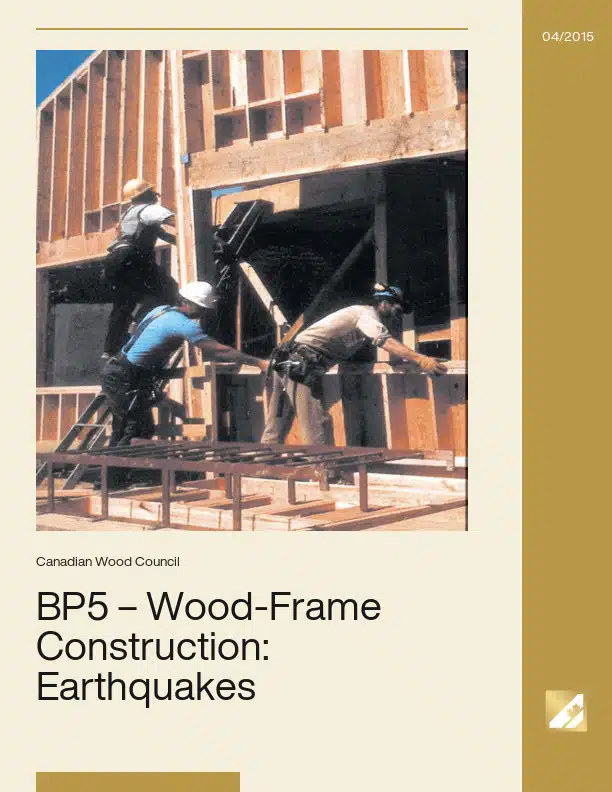
North American single-family homes are considered by many to be the safest place to be in an earthquake. This is not surprising considering that North American housing is...
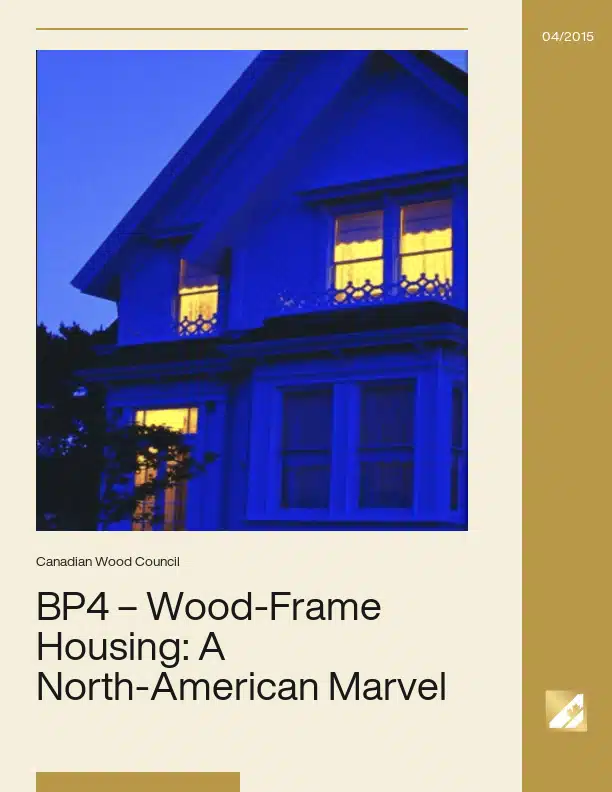
North Americans enjoy the highest standard of safe and comfortable housing in the world. This is not by chance – wood-frame construction is the residential building system...
Wood products have long been the building materials of choice for home construction in North America. The wood-frame construction system has a solid history of producing...
Since wood-frame construction was first used in the early 1800’s, North Americans have developed and been sheltered by wood-frame building technology -- from single family...
Throughout history, wherever wood has been available as a resource, it has found favor as a building material for its strength, economy, workability and beauty, and its...
“A man’s home is his castle” is an old familiar phrase, but if truth be told, the castles of old were cold and draughty. Today’s homes are now havens of comfort with...
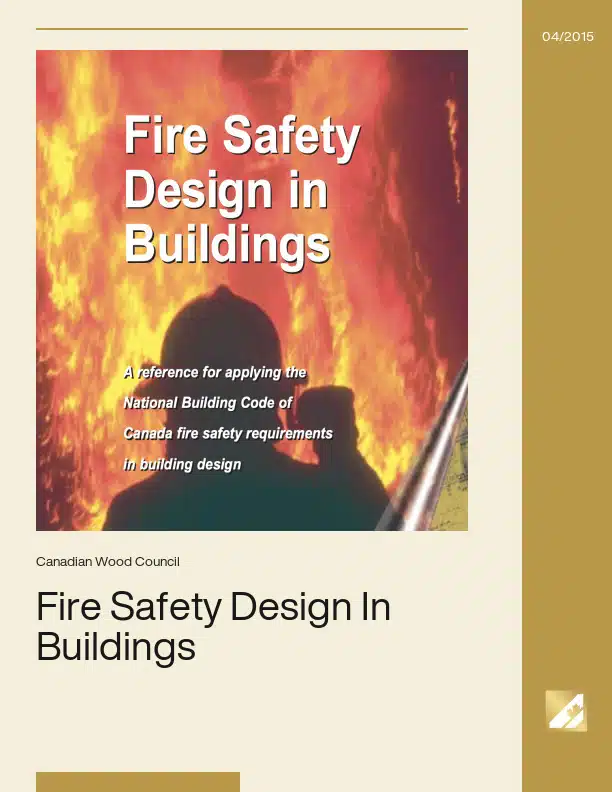
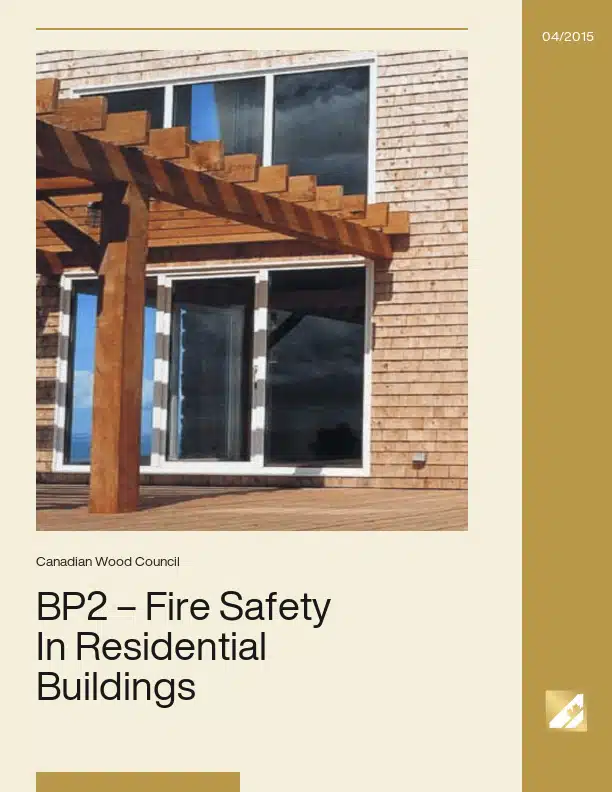
Fire is an ever-present danger for building occupants. Research and experience confirm that fire safety in a house or apartment has little to do with the combustibility of...

Get Access to Our Resources

Stay in the loop and don’t miss a thing!

1
2
3

Get Access to Our Resources

Stay in the loop and don’t miss a thing!

What’s Your Occupation?

Help us personalize the content for you.

What Interests You the Most?

Help us personalize the content for you.

Filters

Expertise Icon
Field of Expertise
Province Icon
Province
Member Type Icon
WoodWork National Partners

Filters

Post Type Icon
Post Type
Persona Icon
Persona
Language Icon
Language
Tags Icon
Tags
Mass Timber Plus Icon Environment Plus Icon Safety Plus Icon Durability Plus Icon Design Systems Plus Icon Budget Plus Icon Construction Management Plus Icon Fire Resistance Plus Icon Tall Buildings Plus Icon Short Buildings Plus Icon
Date Icon
Date
Line Separator