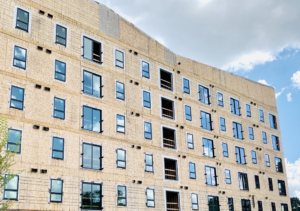
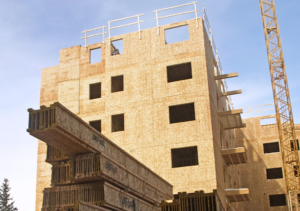
The use of wood for the construction of fire halls has always been a viable option within the BC Building Code and is further supported by the fact that wood is a regionally based material.
The critical code requirement for buildings of this type is that they must be designed to post disaster standards, but need not be of non-combustible construction. In the two examples of fire halls showcased here, the extensive shear wall systems that are an essential component of post-disaster construction have been simply and economically constructed using built up wood members, tie downs and plywood sheathing.
The challenges come with the coordination of each discipline: architectural, structural, mechanical and electrical to position wood shear walls and structural components so that they become attributes to the design and so that services can run uninterrupted without compromising the post disaster standards.
The use of wood in these conditions has always served as well or better than other materials as wood is readily available and most trades are familiar with its installation and inherent properties.
Fire Chief Niels Holbek of Oyster River Fire Rescue noted that, “Wood provided a cost effective option for the construction of the hall to post disaster standard. (With) metal cladding on the exterior and the roof, drywall on the interior and a monitored alarm system concerns about fire and life safety are minimal. Whether subject to fire, earthquake or other natural forces, wood structures tend not to fail in the dramatic way that some other types of structures can.”