Scaling Affordable Rental Housing with Tall Mass Timber
Course Overview
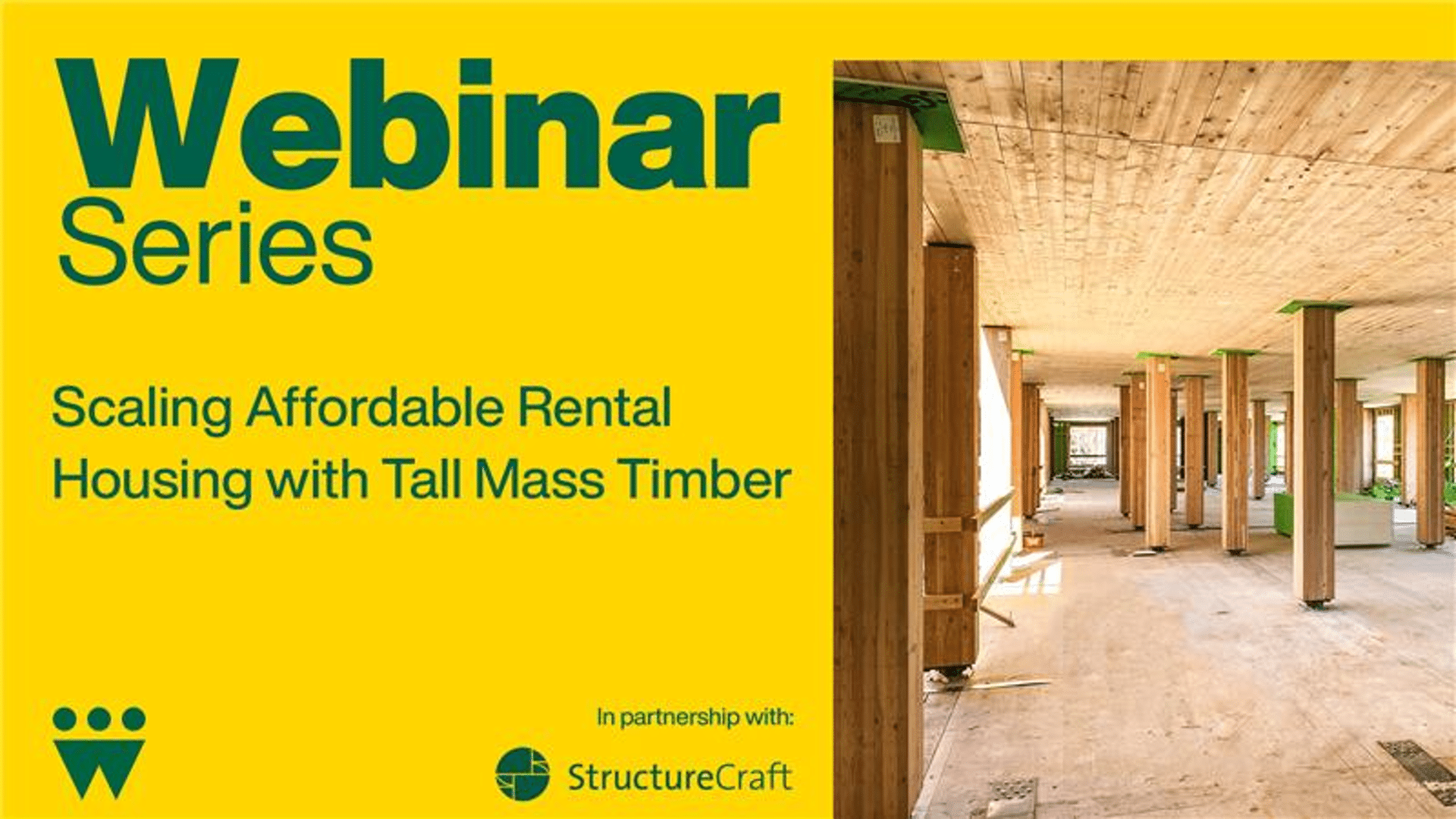
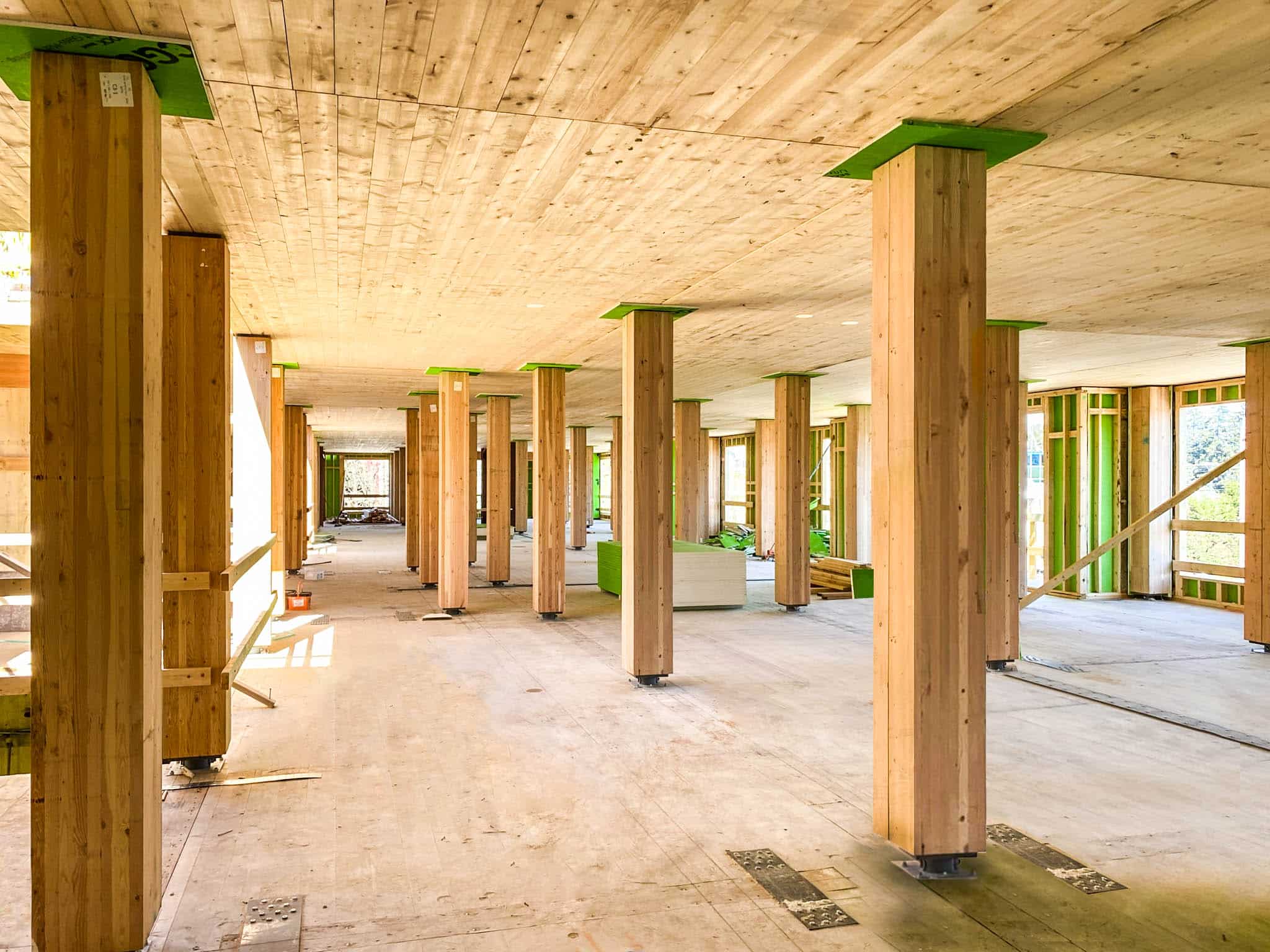
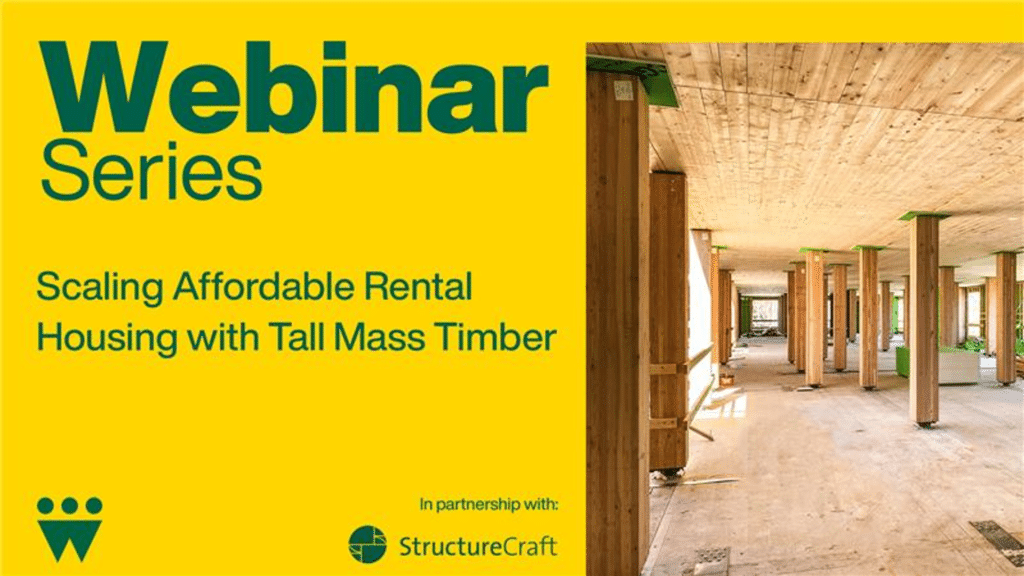
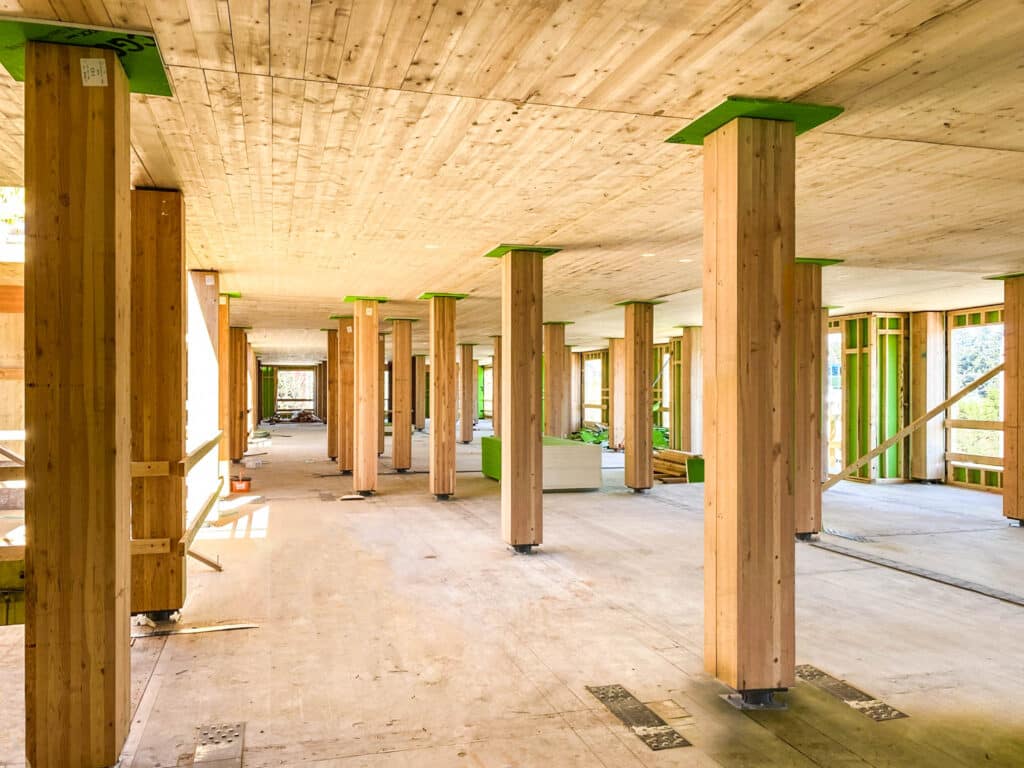
As cities face growing pressures around affordability, climate resilience and livability, innovative projects like Catalyst’s 18-storey CLT rental development in North Vancouver offer necessary solutions. Targeted toward architects, engineers, developers and municipal leaders this session explores mass timber construction as an affordable housing solution. Attendees will gain insight into the use of CLT in construction and the associated challenges, including structural grid constraints, moisture protection, and prefabricated balcony systems. The session will also highlight how the project achieved near cost parity with comparable concrete buildings, integrated mixed-use programming, and leveraged BIM to support coordination and the permitting process. Participants will leave with practical takeaways for applying these approaches to similar projects in other cities.
Learning Objectives
Understand how tall mass timber hybrid systems can support affordable and mixed-use housing
Identify key architectural, structural, and construction challenges unique to CLT buildings
Learn practical strategies for permitting, procurement, coordination, and construction
Course Video
Speakers Bio
Annabelle Hamilton Executive Director WoodWorks BC
Harrison Glotman Principal Glotman Simpson Consulting Engineers
Rhys Leitch Principal Integra Architecture Inc.
Sean Binns Project Director Kindred Construction
EMTC, Encapsulated Mass Timber Construction, Exposed Mass Timber, Mass Timber, Mass Timber Design, Timber Construction
Developed to support practitioners working with encapsulated mass timber construction (EMTC), this tool helps determine whether a compartment design aligns with the 2025 edition of the National Building Code of Canada (NBC).
By entering key information about your compartment layout—including size, wall configuration, mass timber elements, and encapsulation details—the calculator evaluates whether the design meets code requirements for exposed mass timber elements.
The tool allows users to:
Evaluate permissible percentages of exposed mass timber elements (beams, columns, walls, and ceilings)
Confirm compliance within suites or fire compartments
Identify potential code issues through automated warnings
Visualize compartment configurations with a generated 3-D model
Review encapsulation requirements and supporting notes
This practical calculator helps architects, engineers, and code professionals explore compliant design options more efficiently when working with mass timber construction.
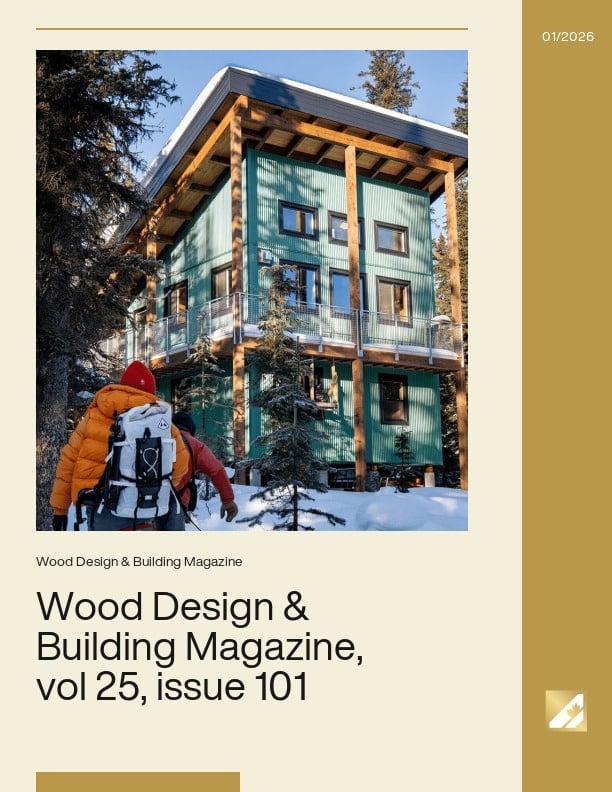
Wood Design & Building Magazine, vol 25, issue 101
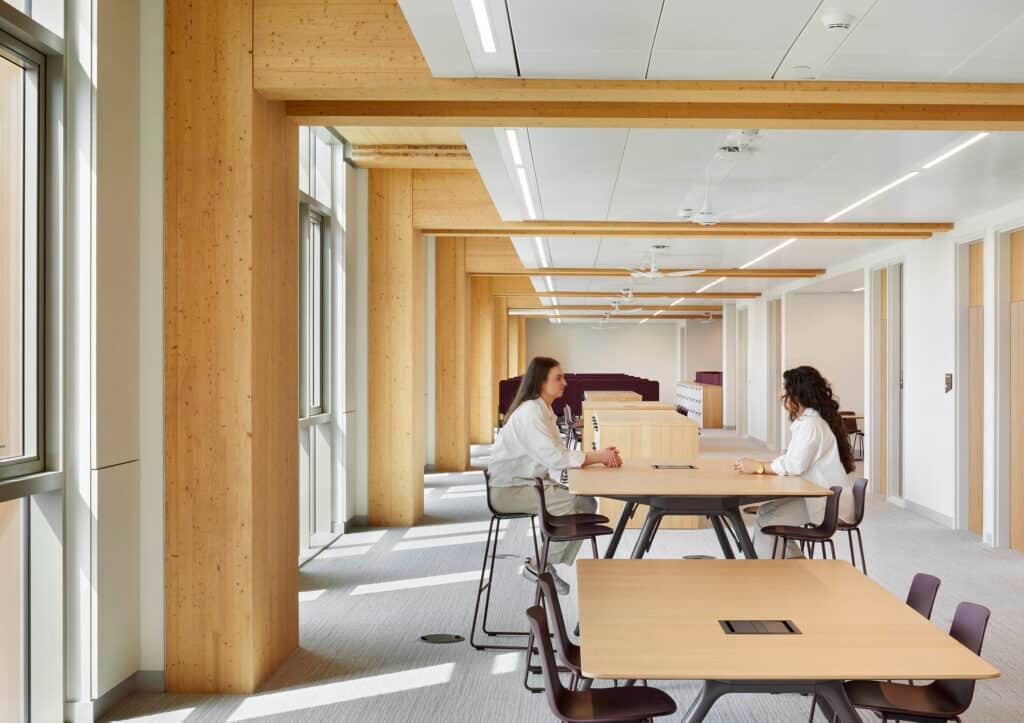
Every issue of Wood Design & Building tells a different story about how wood is shaping contemporary construction. Some editions revolve around a clear theme such as our recent issue on strategic additions and adaptive reuse; others, like this one, reflect the diversity of challenges, innovations, and contexts that define wood construction today. What unites the features in this issue is not a single building type or region, but a shared commitment to thoughtful planning, ingenuity, and execution.
We begin in the mountains of British Columbia, where the Robson Cabin project pushes the limits of planning and coordination. Accessible only by helicopter, the remote alpine site demanded meticulous preparation, high levels of prefabrication, and an unwavering attention to detail. Alongside the technical complexity, the construction crew also contended with less predictable site conditions—including a persistent population of porcupines, whose curiosity added a memorable twist to an already remarkable build.
From there, we turn to one of the most sought-after—and often elusive—topics in the industry: cost. Reliable, project-specific costing data for mass timber buildings remains rare, and cost uncertainty can be a barrier to wider adoption of mass timber construction. This issue features an overview of a new mass timber business case study published by WoodWorks BC, which presents detailed cost, schedule, and design data from three projects. By comparing mass timber systems to conventional construction approaches across three building types, the study offers valuable insight into real-world construction costs, decision-making, and the strategies that can bring mass timber into cost parity.
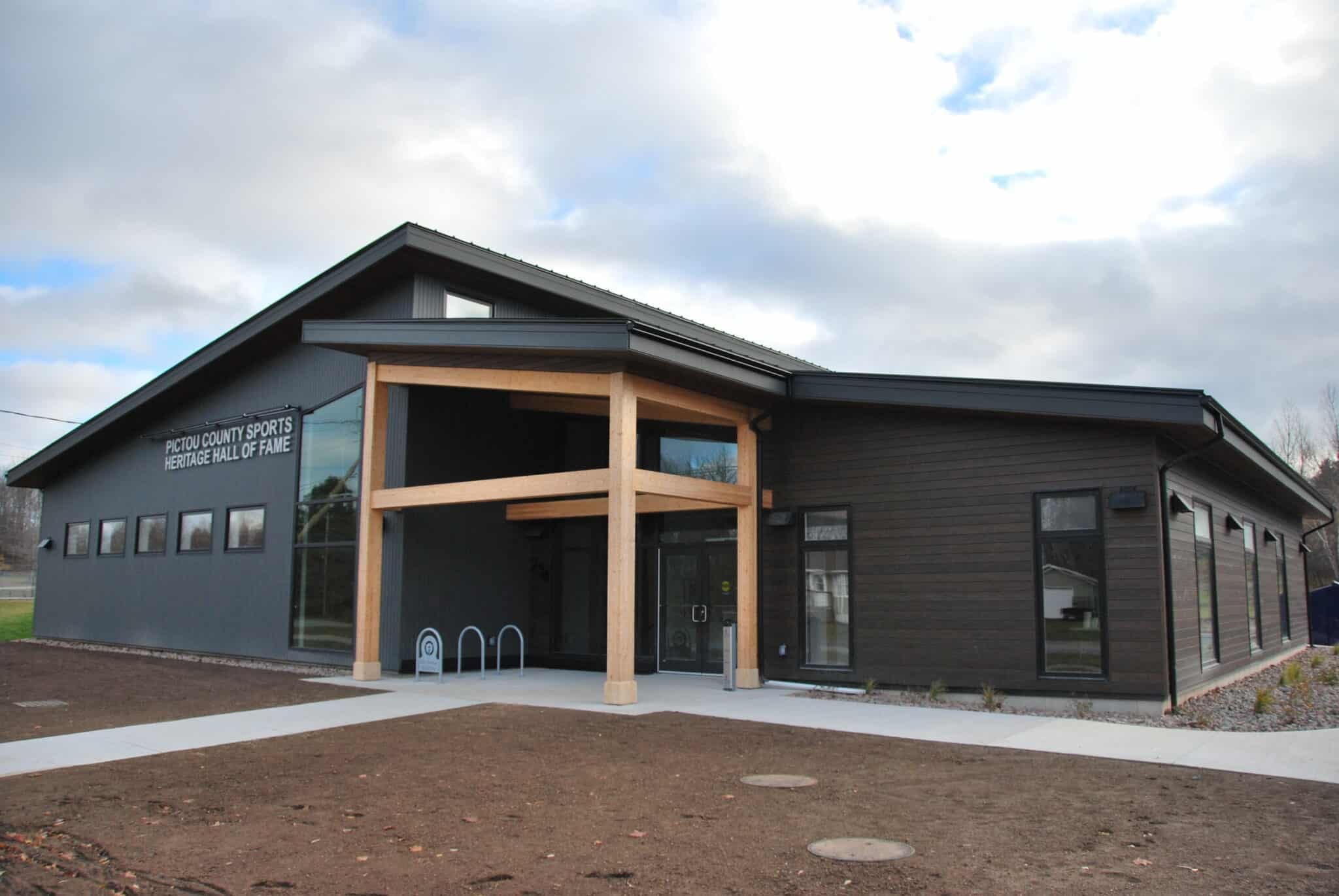
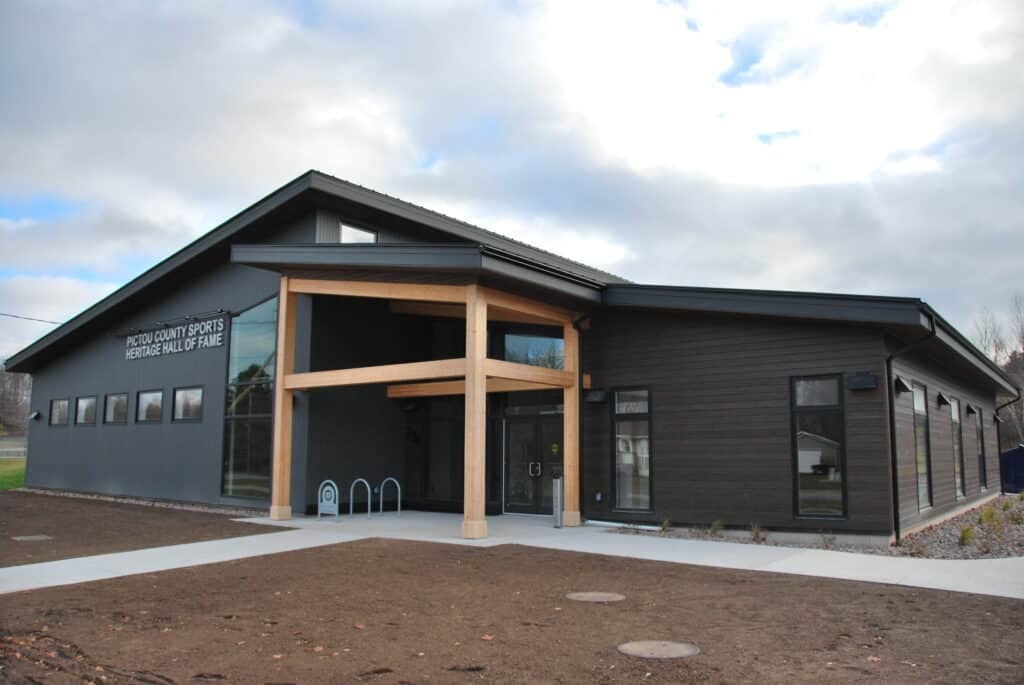
Our final feature takes us to Trenton, Nova Scotia, for a virtual construction tour of the Pictou County Sports Heritage Hall of Fame, a community-focused project being realized through close collaboration between designers, builders, and trades. The one-storey building brings together panelized engineered wood walls, traditional light wood frame construction, and a central mass timber foyer, showcasing a deliberate “right material in the right place” approach. Built using offsite fabrication and carefully sequenced installation, the project demonstrates how coordination and precision can be leveraged to deliver a refined wood building that balances efficiency, constructability, and architectural expression.
Together, these stories offer a snapshot of a sector defined by creativity, technical rigor, and resilience—whether navigating rugged mountain terrain, unpacking the realities of construction costs, or reimagining how cultural buildings are delivered. We hope they inform, inspire, and perhaps even entertain.
International Perspectives on Sustainable Housing Development
Course Overview
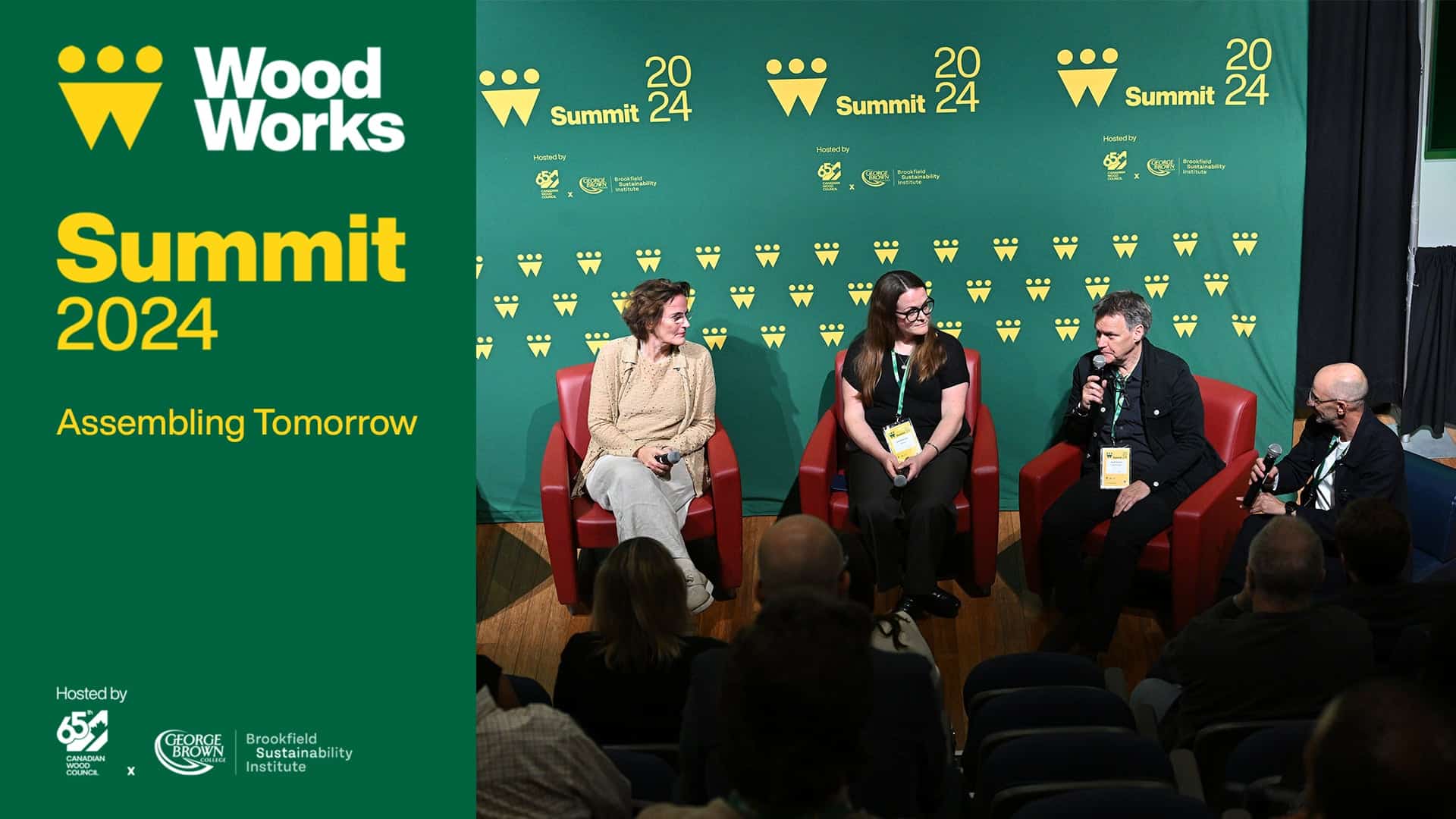
Around the world there is a significant and growing housing shortage that is exacerbated by rapid urbanization and population growth. This challenge demands innovative solutions that prioritize sustainability, occupant comfort, and efficient land use. This panel discussion brings together three internationally renowned architects: Francine Houben (Mecanoo, the Netherlands), Christophe Ouhayoun (KOZ Architects, France), and Geoff Denton (White Arkitekter, Sweden) to explore their approaches to sustainable housing. Each panelist will share their unique perspective on how to address housing shortages and sustainable densification, offering insights into the latest design strategies, materials, and technologies that can contribute to more resilient and equitable urban environments. Join us for a dynamic conversation that will delve into the future of housing and the role of architecture in creating livable, sustainable cities.
Learning Objectives
Understand how international architects approach sustainable housing development, including wood‑based construction, urban densification, and low‑carbon strategies.
Compare differing regulatory, cultural, and construction‑industry conditions that influence mass timber, modularity, prefabrication, and approval processes in Sweden, France, and Canada.
Identify urban‑design principles used to create healthy, community‑oriented neighborhoods.
Course Video
Speakers Bio
Francine Houben Founding Partner, Creative Director Mecanoo, the Netherlands
Francine Houben is founding partner of Mecanoo (1984) and has led the firm to success in The Netherlands and abroad, amassing a portfolio of work that is wide-ranging, inspired by global challenges and with a sustainable view on society.
Mecanoo combines the disciplines of architecture, urban planning, landscape architecture and interior design to produce unorthodox design solutions born from a strong sensitivity to context and a highly interdisciplinary design process.
Each of her projects illustrates the four fundamental elements of her architectural vision: People, Place, Purpose, Poetry.
Francine Houben was professor of mobility aesthetics at Delft University of Technology and taught at the universities of Harvard, Yale and Mendrisio. As curator of the First International Architecture Biennale Rotterdam (2003), she brought the theme of the aesthetics of mobility to the forefront of international design consciousness.
Francine holds Honorary Fellowships of the Royal Institute of British Architects (RIBA), the American Institute of Architects (AIA), the Royal Architectural Institute of Canada (RAIC) and was granted lifelong membership to the Akademie der Künste in Berlin as well as receiving the International Honorary Fellow Award by the Architecture Institute of Taiwan.
In 2014 Francine was named Woman Architect of the Year by the Architects’ Journal and in November 2015 Queen Máxima of The Netherlands presented her with the Prins Bernhard Cultuurfonds Prize for her wide-ranging career. Francine was awarded Honorary Doctorates from the Université de Mons, Belgium (2017) and the Utrecht University (2016).
In 2018 she received the BNA Kubus Award for her oeuvre; the International Prize, Prix des Femmes Architectes (2019) and distinguished with the TU Delft Alumnus of the Year (2020). In 2024, King Willem-Alexander appointed Francine Houben as a Knight in the Order of the Netherlands Lion.
Christophe Ouhayoun Founding Partner Architect KOZ Architects, France
Christophe Ouhayoun is a graduate of the École Nationale Supérieure d’Architecture de Paris-Belleville. He currently serves as a State Architect Advisor in the Aveyron department. In 1999, he co-founded KOZ Architectes with Nicolas Ziesel. A pioneer in wood architecture since 2001, he recently delivered Lot E of the Paris 2024 Athletes’ Village as co-coordinator within the Nexity-Eiffage team.
In addition to his architectural work, he co-founded:
KOZTO, a workshop dedicated to the creation of up-cycled furniture.
PLAN01, a collaborative “”second office”” active from 2003 to 2014, in partnership with Atelier du Pont, BP Architectures, and Philéas.
PLAN02, an integrated environmental consulting firm.
Alongside his private practice, Christophe Ouhayoun works as a visiting professor at the École Nationale Supérieure d’Arts et Métiers and at the École spéciale d’architecture de Paris.
Geoff Denton Partner Architect White Arkitekter, Sweden
Geoff Denton is an architect and urban designer who has led residential, educational and mixed-use urban design and architectural projects across the UK, Europe and North America. Educated at Sheffield University in the UK, his career in Sweden notably led him to the role of lead architect for the implementation of Greenwich Millennium Village for Ralph Erskine Architect. This project marked the beginning of his focus on socially and environmentally sustainable urban development and regeneration.
He joined White Arkitekter in 2011 and is now a partner and member of the board of directors. During his time at White he has led award winning urban design projects and was responsible for starting White Arkitekter’s London Studio. The studio has been built on the goal to share knowledge and experience of sustainable development and offsite fabrication methods used throughout the Nordics. Key projects developed during the first years of the London studio include the Climate Innovation District in Leeds and the Gascoigne estate regeneration in London.
Geoff is now based in Stockholm where he works with diverse complex international projects. His approach to architecture is collaborative and he strongly believes that good design solutions are very much about creating places where people feel secure and invigorated.
Mass Timber Project Procurement for the Public Sector – Vancouver
Building Success: The Nshwaasnangong Child Care and Family Centre Story
Course Overview
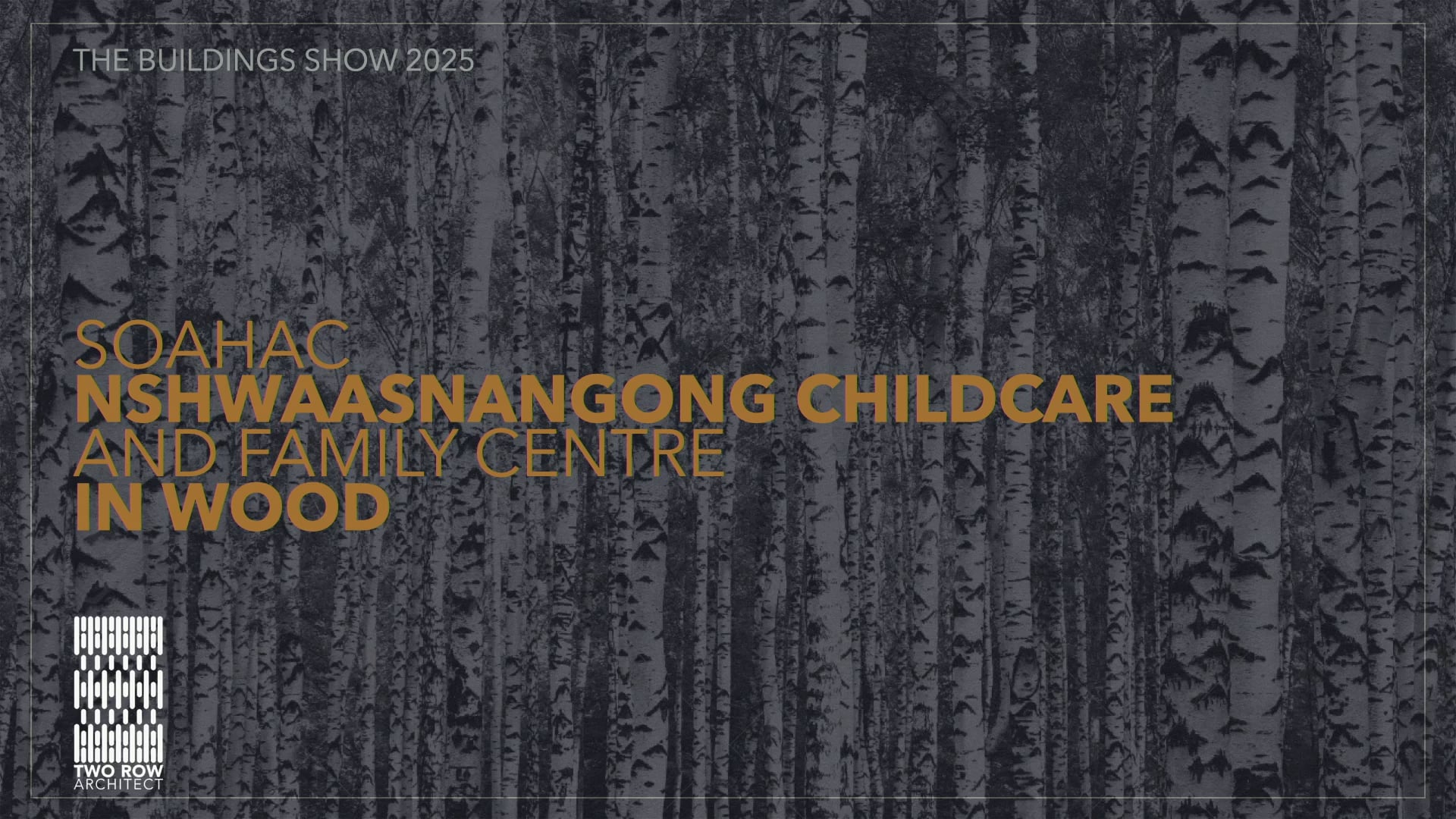
This session will explore the transformative journey of the Nshwaasnangong Child Care & Family Centre, a project that began as a response to the Truth and Reconciliation Commission’s Calls to Action. Led by Two Row Architect and supported by various community partners, the project highlights the innovative use of mass timber to create culturally meaningful and sustainable spaces. Attendees will learn about the collaborative design process, the integration of traditional materials with modern building practices, and the impact of the centre on the local community. The session will also provide insights into accessing technical resources and project support for wood construction through WoodWorks Ontario.
Learning Objectives
Explore the use of mass timber to create culturally meaningful and sustainable spaces, demonstrated through the Nshwaasnangong Child Care & Family Centre.
Understand the collaborative design and prefabrication process, integrating community input, modern construction practices, and workflow planning with mass‑timber manufacturers for complex geometries.
Course Video
Speakers Bio
Matthew Hickey Architect Two Row Architect
Matthew Hickey is Mohawk from the Six Nations First Nation and is a licensed architect with 12 years of experience working in an on-reserve architecture firm. He received his Masters of Architecture from the University of Calgary and his Bachelor of Design from Ontario College of Art and Design, winning both the Alberta Association of Architects Presidents Medal and the Medal for Best Thesis, respectively. Mr. Hickey’s focus is on regenerative design – encompassing ecological, cultural, and economic principles. His research includes Indigenous history and the adaptation of traditional sustainable technologies to the modern North American climate. He currently instructs at OCAD U, for the OAA and the Canada Green Building Council.
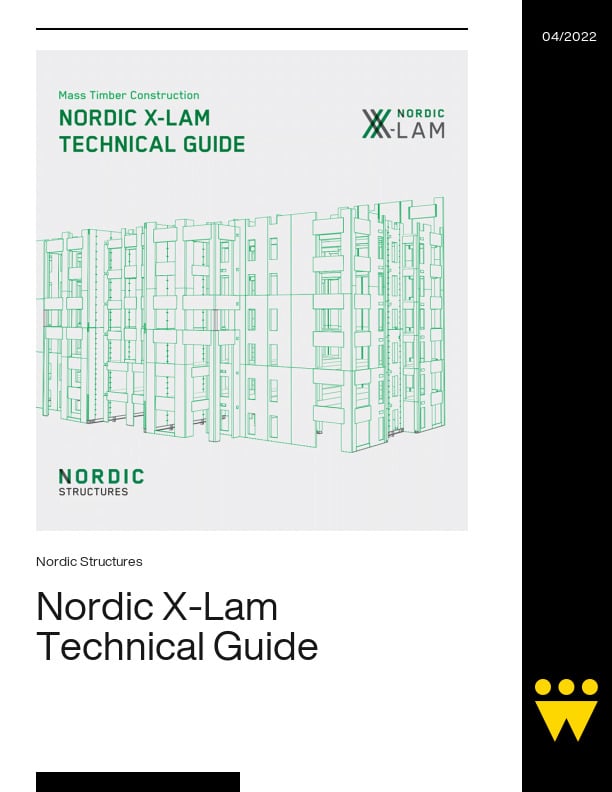
The Nordic X-Lam Technical Guide is a comprehensive technical resource for architects, engineers, and construction professionals designing with cross-laminated timber (CLT) systems from Nordic Structures. The guide provides essential information to support the effective specification and integration of Nordic X-Lam panels in mass timber buildings.
The document details panel properties, structural performance, and typical applications, with guidance on sizing, spans, loading conditions, and connections. It also addresses key design considerations including fire performance, acoustics, vibration, and building code compliance, helping project teams evaluate system suitability across a range of project types.
Developed as a practical design reference, the Nordic X-Lam Technical Guide supports coordinated, efficient project delivery by providing a clear technical framework for incorporating CLT systems into contemporary wood construction.
Scaling Affordable Rental Housing with Tall Mass Timber
Course Overview As cities face growing pressures around affordability, climate resilience and livability, innovative projects like Catalyst's 18-storey CLT rental development...
The Canadian Wood Council is pleased to introduce a new design tool: the Exposed Mass Timber Calculator. Developed to support practitioners working with encapsulated mass...
Every issue of Wood Design & Building tells a different story about how wood is shaping contemporary construction. Some editions revolve around a clear theme such as our...
Course Overview Around the world there is a significant and growing housing shortage that is exacerbated by rapid urbanization and population growth. This challenge demands...
Course Overview This session will explore the transformative journey of the Nshwaasnangong Child Care & Family Centre, a project that began as a response to the...
The Nordic X-Lam Technical Guide is a comprehensive technical resource for architects, engineers, and construction professionals designing with cross-laminated timber (CLT)...