en-ca

Searching for: Wood

Searching results for “Wood”
390 results found...
Sort By Dropdown Icon

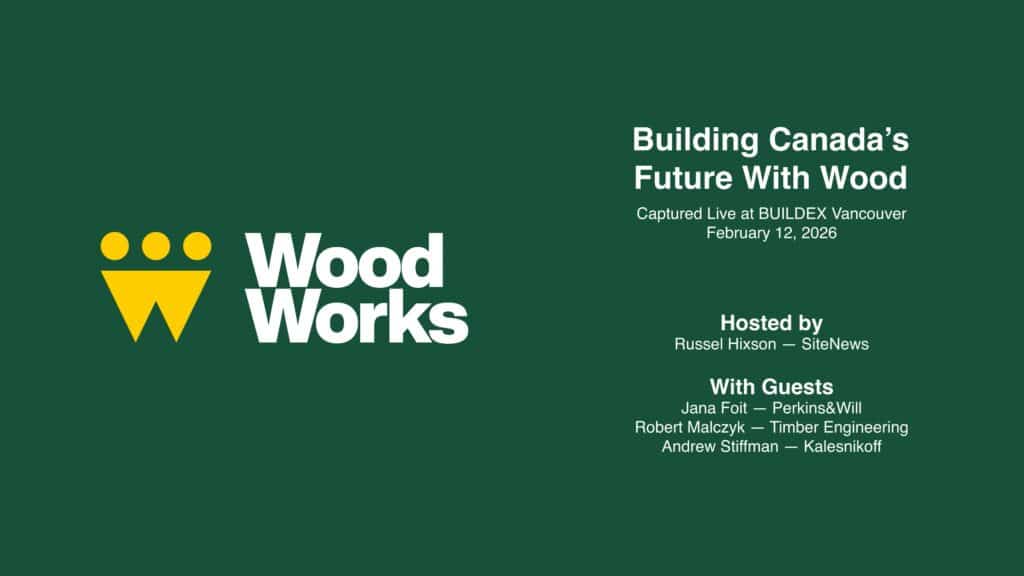
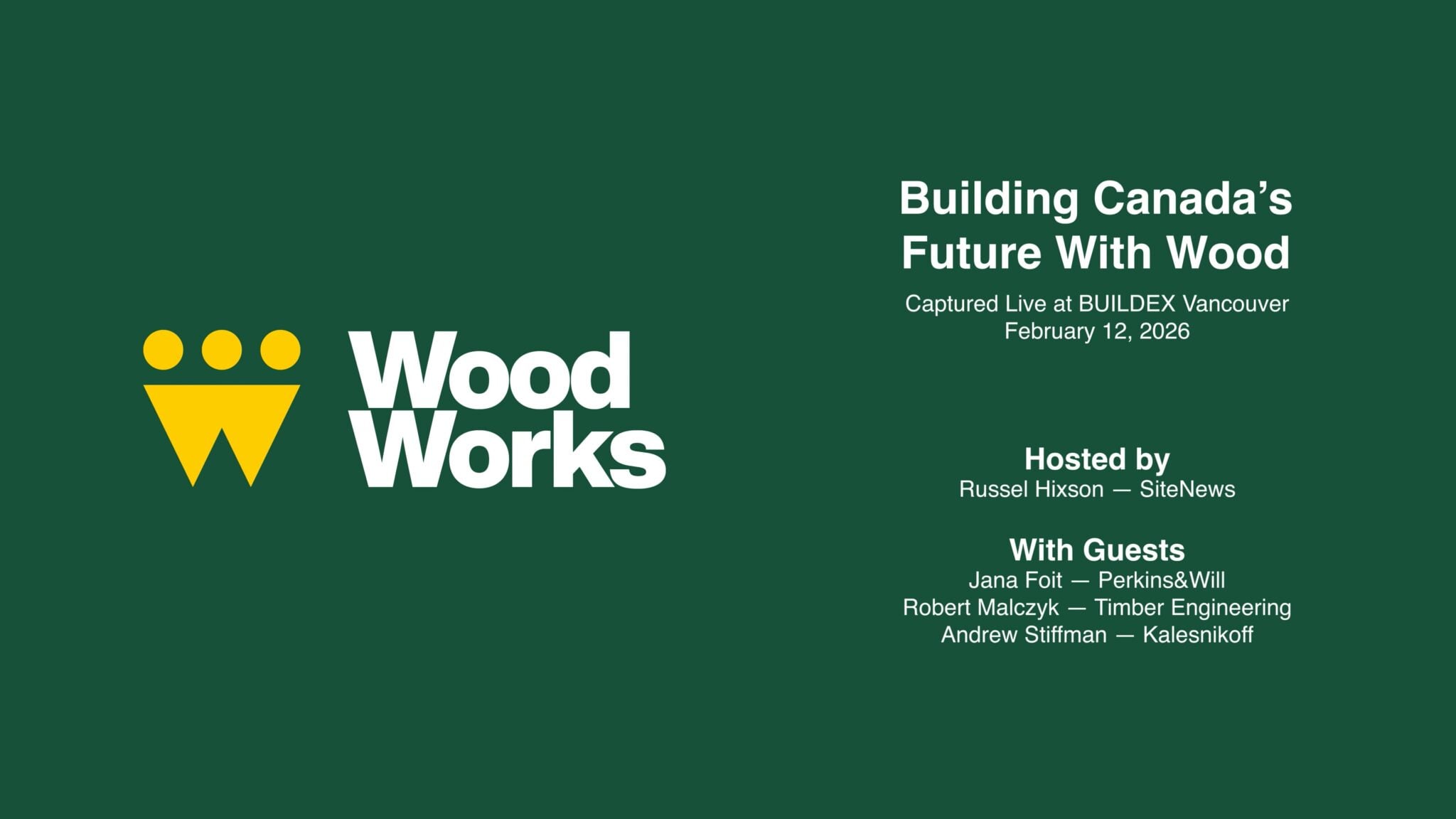
Building Canada’s Future With Wood

Course Overview

This session will feature thought leaders in a podcast-style conversation exploring the evolving role of wood in Canadian construction. Through a series of rotating interviews, the discussion will highlight key themes including the rise of mass timber and tallwood buildings, the shift toward offsite construction, and wood’s potential to address the housing affordability crisis. The session offers a forward-looking yet grounded perspective on the opportunities and complexities shaping the industry.

Learning Objectives

  1. Understand how mass timber and tall wood construction are transitioning from niche applications to mainstream use in Canadian mid- and high-rise buildings.
  2. Understand how prefabrication, modularization, and early team integration influence cost, schedule, and risk outcomes in wood construction projects.
  3. Explain how mass timber can support institutional, residential, and mixed-use project goals related to sustainability, constructability, and housing delivery.

Course Video

Speakers Bio

Russell Hixson
Editor
SiteNews

Russell Hixson is an award-winning investigative journalist who began his career covering crime and courts in the United States before transitioning into Canada’s construction sector. He spent eight years at the Journal of Commerce, where he developed deep expertise in the industry and its key issues. He has also reported on the federal budget from Ottawa and documented the early impacts of the COVID-19 pandemic while working remotely. Hixson has developed a strong interest in the construction industry and is passionate about sharing its stories through SiteNews, with the goal of engaging and informing a broader audience.

Jana Foit
Principal, Higher Education Practice Lead
Perkins&Will, Vancouver

Jana Foit is a Principal and Higher Education Practice Lead at Perkins&Will’s Vancouver studio. With over two decades of experience, she has led numerous mass timber projects, including the Earth Science Building and Gateway Building at the University of British Columbia, as well as the BCIT Tall Timber Student Housing project. She is a frequent speaker and panelist on mass timber design and contributes to several industry publications, including the Nail Laminated Timber Design and Construction Guide, the Survey of International Tall Wood Buildings, and the Technical Guide for the Design and Construction of Tall Wood Buildings in Canada.

Robert Malczyk
Principal
Timber Engineering Inc.

Robert Malczyk is one of a small number of university-trained specialized timber engineers. After completing his master’s degree at Warsaw University of Technology, he moved to Canada to study under the renowned Professor Borg Madsen at the University of British Columbia. In 1997, he co-founded Equilibrium Consulting Inc., contributing to award-winning projects such as the Art Gallery of Ontario’s Galleria Italia designed by Frank Gehry. In 2021, he co-founded Timber Engineering Inc. He currently works on projects across Canada, the United States, and Asia. His expertise focuses on a systems-based approach to mass timber design, with an emphasis on structural efficiency and energy performance.

Andrew Stiffman
Vice President, Construction Services
Kalesnikoff

Andrew Stiffman brings diverse project experience across single-family homes, large-scale passive house developments, and low- to mid-rise mass timber construction. At Kalesnikoff Mass Timber, he oversees the full project lifecycle of prefabricated and mass timber projects, from early-stage discussions through to completion. His background in building science, development management, and hands-on high-performance construction enables him to combine technical expertise with practical delivery, leading multidisciplinary teams to successful project outcomes.
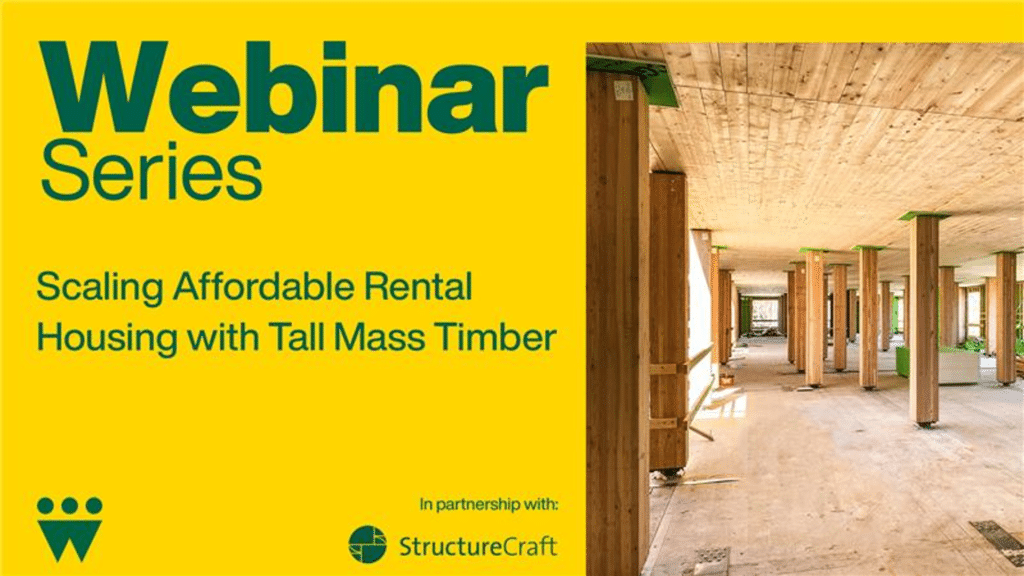
Scaling Affordable Rental Housing with Tall Mass Timber

Course Overview

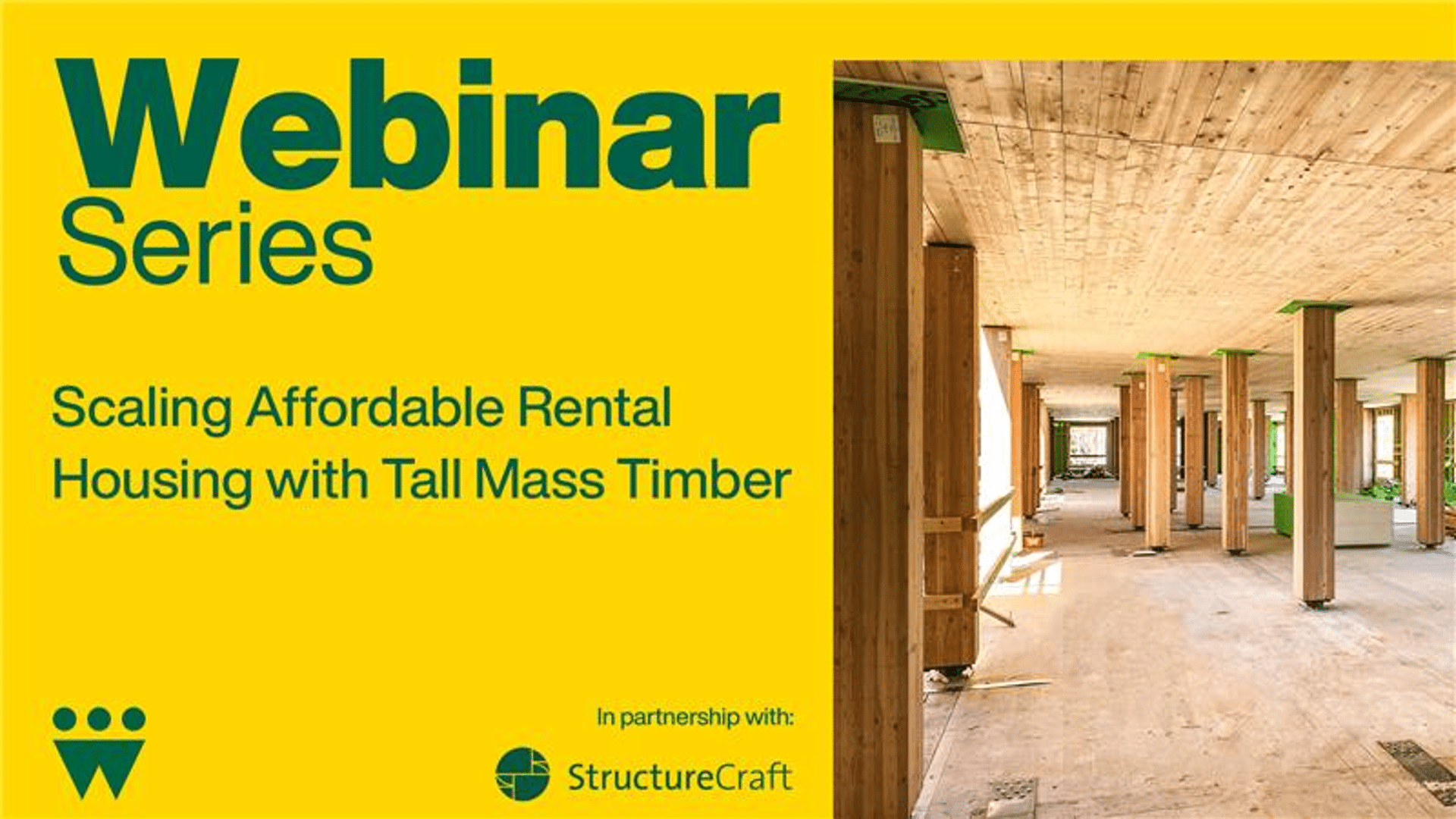
As cities face growing pressures around affordability, climate resilience and livability, innovative projects like Catalyst’s 18-storey CLT rental development in North Vancouver offer necessary solutions. Targeted toward architects, engineers, developers and municipal leaders this session explores mass timber construction as an affordable housing solution. Attendees will gain insight into the use of CLT in construction and the associated challenges, including structural grid constraints, moisture protection, and prefabricated balcony systems. The session will also highlight how the project achieved near cost parity with comparable concrete buildings, integrated mixed-use programming, and leveraged BIM to support coordination and the permitting process. Participants will leave with practical takeaways for applying these approaches to similar projects in other cities.

Learning Objectives

  1. Understand how tall mass timber hybrid systems can support affordable and mixed-use housing 
  2. Identify key architectural, structural, and construction challenges unique to CLT buildings 
  3. Learn practical strategies for permitting, procurement, coordination, and construction 

Course Video

Speakers Bio

Annabelle Hamilton  
Executive Director
WoodWorks BC

Harrison Glotman
Principal
Glotman Simpson Consulting Engineers

Rhys Leitch
Principal
Integra Architecture Inc.

Sean Binns
Project Director
Kindred Construction

Unlocking Affordable Timber Innovations in Structure, Prefabrication, and Code

Course Overview

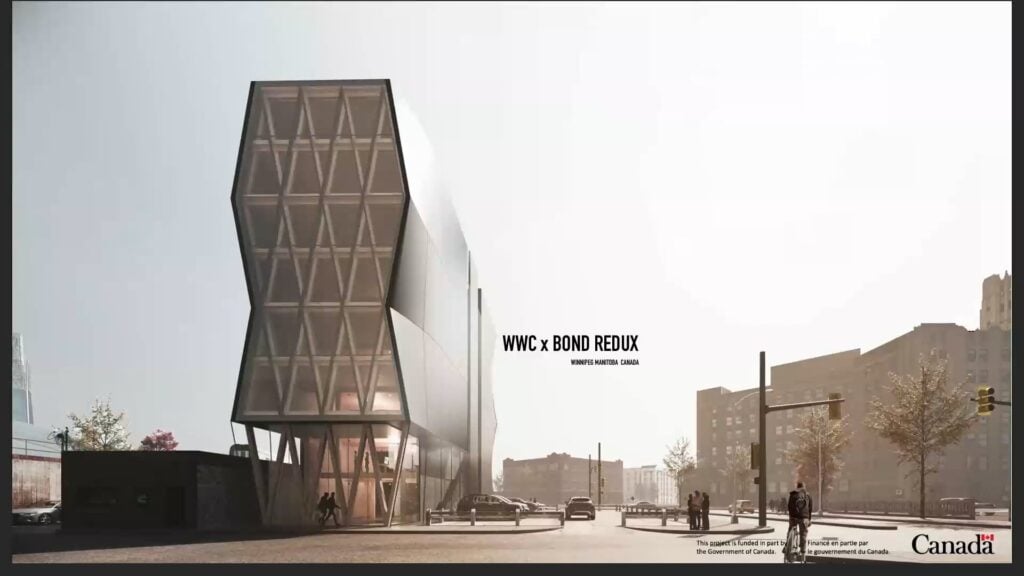
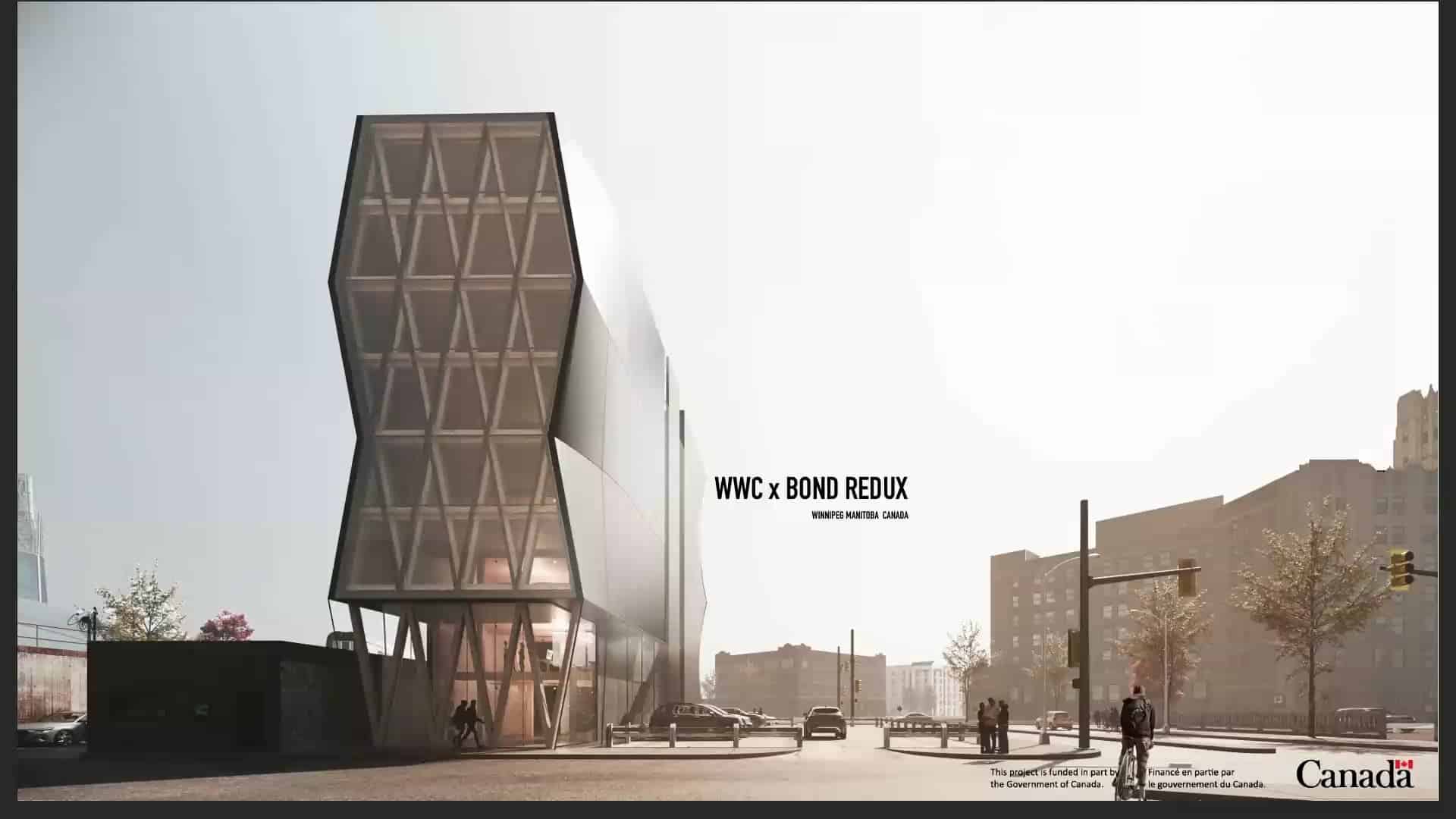
Bond Tower is a 7-storey mixed-use prototype that asks a critical question: how can mass timber be made cost-effective in the Prairies, where supply chains are limited, demand is low, and timber construction is often reserved for flagship projects. Funded by the Green Construction through Wood Program from Natural Resources Canada, the project develops both prototypes and a built demonstration to advance affordable timber solutions in a region underserved by the current market. 

The design leverages nail-laminated timber (NLT) as its primary system, applied in diagrid trusses, floor assemblies, and shear walls. NLT presents a cost-effective alternative to other manufactured products and provides great versatility due to its custom nature. Lateral and gravity-induced forces are carried by a diagrid timber truss fabricated from readily available dimensional lumber and using simple mechanical fasteners. Floor assemblies comprised of NLT are constructed without a concrete topping or proprietary sound attenuation systems, reducing both cost and embodied carbon. Prefabricated wall panels, stairs, and modular service pods further minimize waste and construction time. 

Another challenge lies in building code classification. Currently, all structures above six storeys are deemed high-rise, requiring costly and difficult to achieve [in timber] two-hour fire-resistance ratings and fire-safety systems. The Bond Tower design team, working with code consultants, is developing an alternative solution that leverages the inherent 1.25-hour FRR of NLT floor assemblies. This approach suggests a pathway toward a new mid-rise category, making timber projects of seven or eight storeys more financially viable. Alongside a single-stair configuration, which can increase efficiency by reducing non-rentable floor area, these strategies point to a replicable model for affordable timber construction across Canada.

Learning Objectives

  1. Learn how NLT and prefabrication strategies can reduce cost, waste, and construction time, making timber more feasible in the Prairies.
  2. Explore structural detailing approaches that simplify connections and reduce cost, while addressing fire, durability, and acoustic performance in timber design.
  3. Examine how alternative solutions can improve the financial feasibility of 6–8 storey timber projects and support broader code updates across Canada.

Course Video

Speakers Bio

Sasa Radulovic, AIBC MAA OAA SAA AAA NSAA FRAIC LEED AP
Partner, Architect
5468796 Architecture

Sasa Radulovic co-founded the Winnipeg-based practice 5468796 Architecture with Johanna Hurme in 2007. A talented designer, Sasa guides the office in seeking projects that explore density, affordability, and sustainability through non-traditional means and a dynamic design approach. Recent institutional appointments include Visiting Professor-Morgenstern Chair with the Faculty of Architecture at the Illinois Institute of Technology in Chicago.

Ken Borton, MAA RAIC
Principal
5468796 Architecture

Oliver Brandt, P.Eng
Associate
Fast + Epp

Webinar – Online Tools for Wood Construction: CodeCHEK, FRR & STC & EMTC Calculator

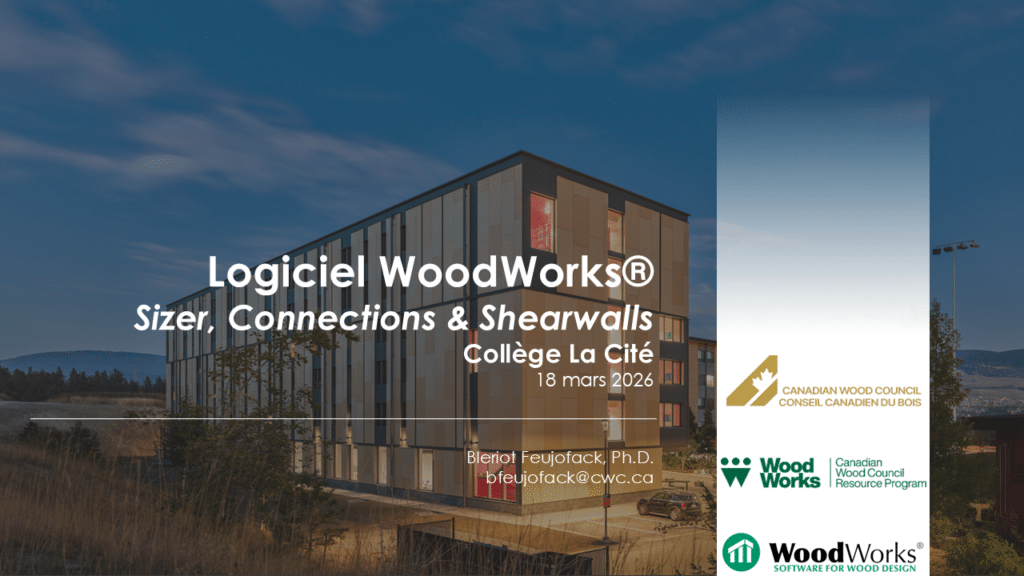
Atelier sur le Logiciel WoodWorks®: Sizer, Connections and Shearwalls

Introduction

Cet atelier présente une vue d’ensemble complète de la suite logicielle WoodWorks® (édition canadienne) et de son application pratique pour la conception des structures en bois conformément au Code national du bâtiment du Canada (CNB) et à la norme CSA O86-19. Les participants exploreront les principaux modules de la suite — Sizer, Connections, Shearwalls et Database Editor — à travers une combinaison d’explications théoriques, de démonstrations logicielles et d’exemples tirés du Manuel de calcul des charpentes en bois (MCCB 2021).

L’atelier met l’accent sur le dimensionnement gravitaire et latéral, incluant la conception des poutres, colonnes, assemblages et murs de refend, ainsi que sur l’interprétation des résultats et des hypothèses de calcul. Une attention particulière est portée à la cohérence entre les méthodes de calcul manuelles et leur implémentation numérique dans WoodWorks, afin de renforcer la compréhension technique et la confiance dans l’utilisation du logiciel en pratique professionnelle.

Objectifs

À la fin de cet atelier, les participants seront en mesure de :

  1. Décrire la structure et le rôle des principaux modules de la suite WoodWorks® (Sizer, Connections, Shearwalls et Database Editor) dans le contexte de la conception des structures en bois au Canada.
  2. Appliquer les exigences du CNB et de la CSA O86-19 pour le dimensionnement des éléments structuraux en bois à l’aide du module Sizer, incluant les poutres, solives et colonnes.
  3. Interpréter et comparer les résultats de calcul issus du MCCB 2021 avec ceux générés par WoodWorks afin de valider la conformité et la cohérence des conceptions.
  4. Personnaliser les propriétés des matériaux et intégrer des produits propriétaires dans les analyses à l’aide du Database Editor.

Contenu du Cours

Atelier sur le Logiciel WoodWorks®: Sizer, Connections and Shearwalls

Présentateur

Blériot Feujofack, Ph.D.
Gestionnaire de l’éducation sur le bois
Conseil canadien du bois

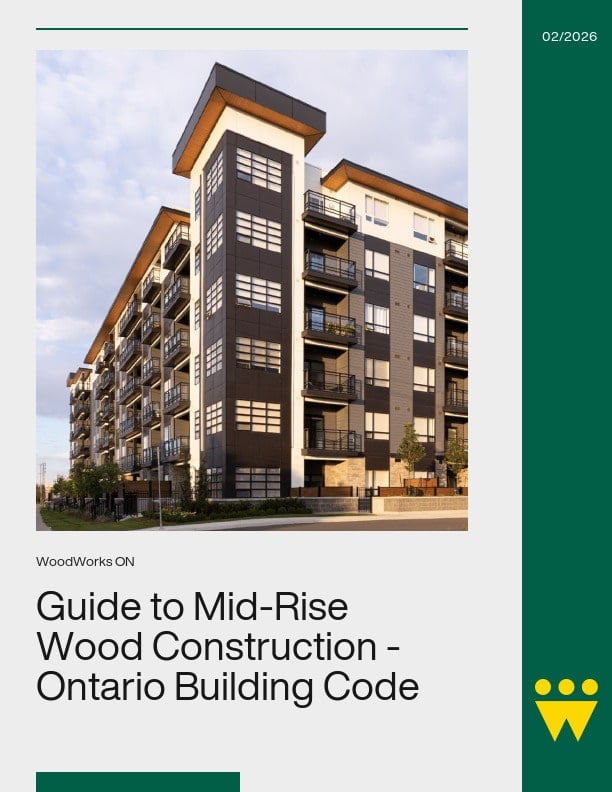
Guide to Mid-Rise Wood Construction in the Ontario Building Code

Second Edition

Applicable to the 2024 OBC (O. Reg. 163/24) – In Effect January 1, 2025


Overview

The Guide to Mid-Rise Wood Construction in the Ontario Building Code (Second Edition) provides a technical overview of the provisions permitting 5- and 6-storey combustible (wood) construction under the 2024 Ontario Building Code.

Developed by WoodWorks Ontario / the Canadian Wood Council, this updated edition reflects O. Reg. 163/24 and recent amendments affecting mid-rise residential (Group C) and office (Group D) buildings.

The Guide identifies key requirements, conditions, and limitations associated with mid-rise wood construction and is intended to support architects, engineers, builders, regulators, and code professionals working in Ontario.


What’s Included

This technical reference outlines:

  • Height and building area limits for 5- and 6-storey wood buildings
  • Fire-resistance requirements for floors, roofs, mezzanines, and loadbearing assemblies
  • Sprinkler system requirements (NFPA 13 vs. 13R)
  • Combustible cladding limitations and compliance pathways
  • Fire blocking and concealed space requirements
  • Fire department access and street-facing provisions
  • Emergency power enhancements
  • Structural and seismic design considerations
  • Mixed-use building permissions and occupancy separation requirements

The Guide focuses on new construction and is intended to be used in conjunction with the Ontario Building Code.

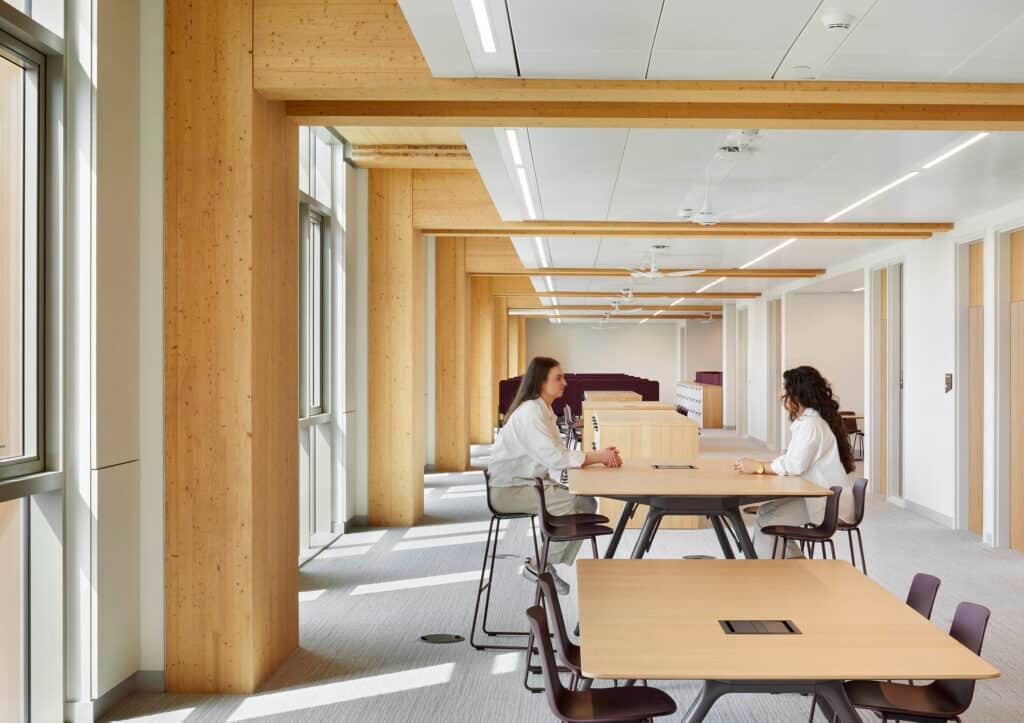
Exposed Mass Timber Calculator

The Canadian Wood Council is pleased to introduce a new design tool: the Exposed Mass Timber Calculator.

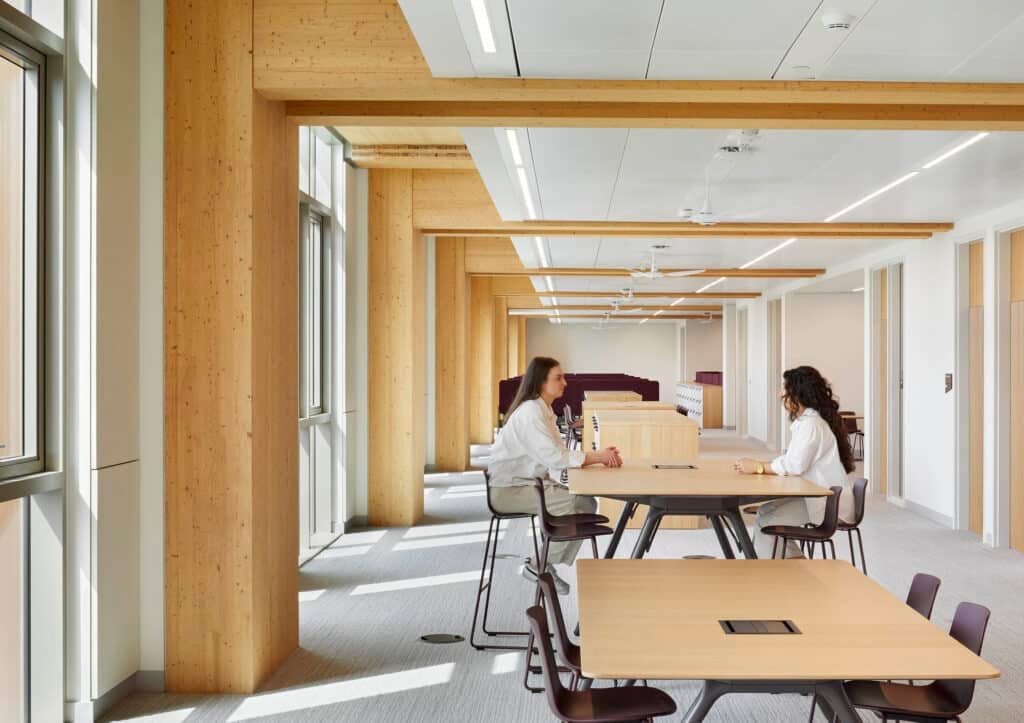
Developed to support practitioners working with encapsulated mass timber construction (EMTC), this tool helps determine whether a compartment design aligns with the 2025 edition of the National Building Code of Canada (NBC).

By entering key information about your compartment layout—including size, wall configuration, mass timber elements, and encapsulation details—the calculator evaluates whether the design meets code requirements for exposed mass timber elements.

The tool allows users to:

  • Evaluate permissible percentages of exposed mass timber elements (beams, columns, walls, and ceilings)

  • Confirm compliance within suites or fire compartments

  • Identify potential code issues through automated warnings

  • Visualize compartment configurations with a generated 3-D model

  • Review encapsulation requirements and supporting notes


This practical calculator helps architects, engineers, and code professionals explore compliant design options more efficiently when working with mass timber construction.

Try the Exposed Mass Timber Calculator


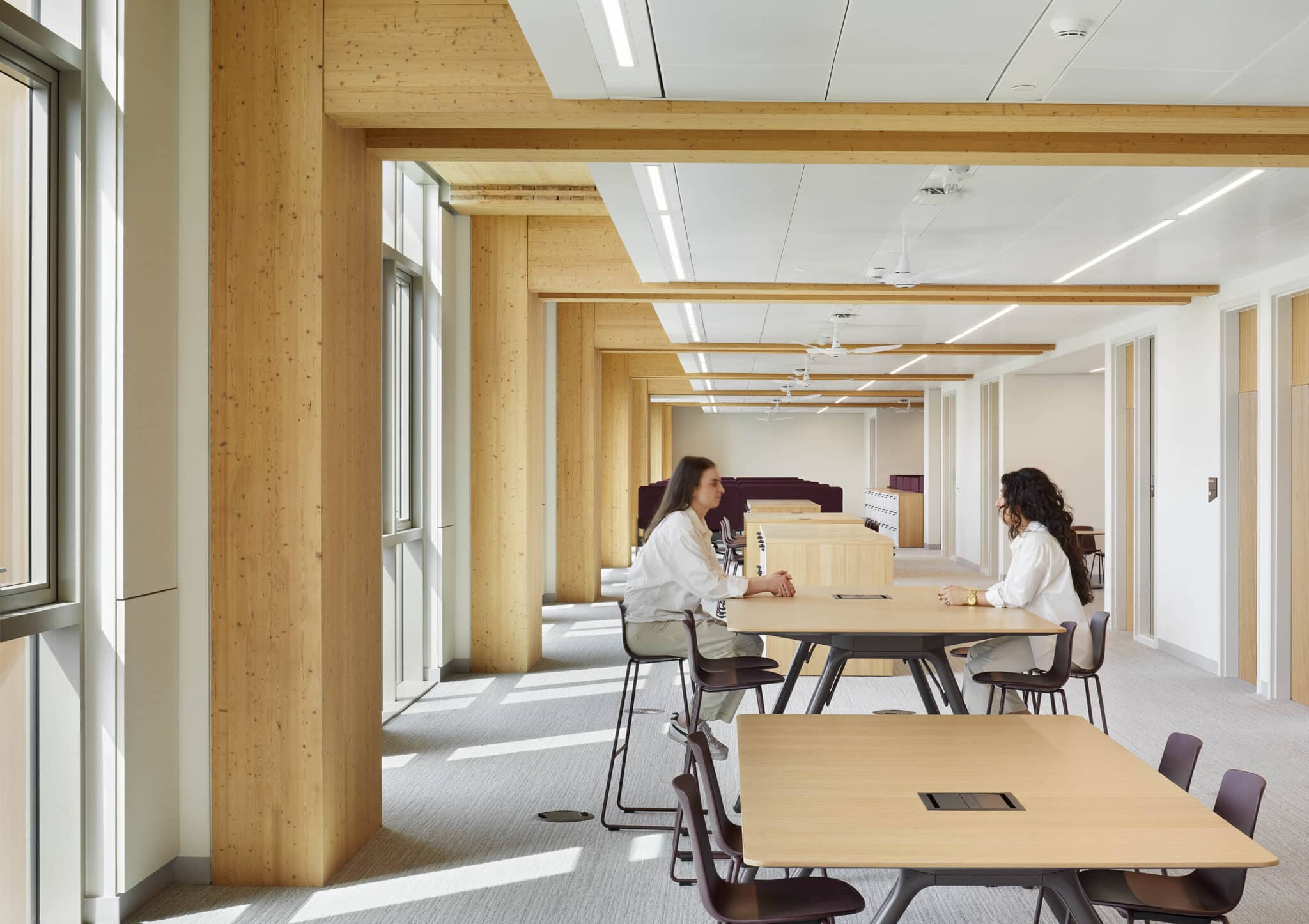
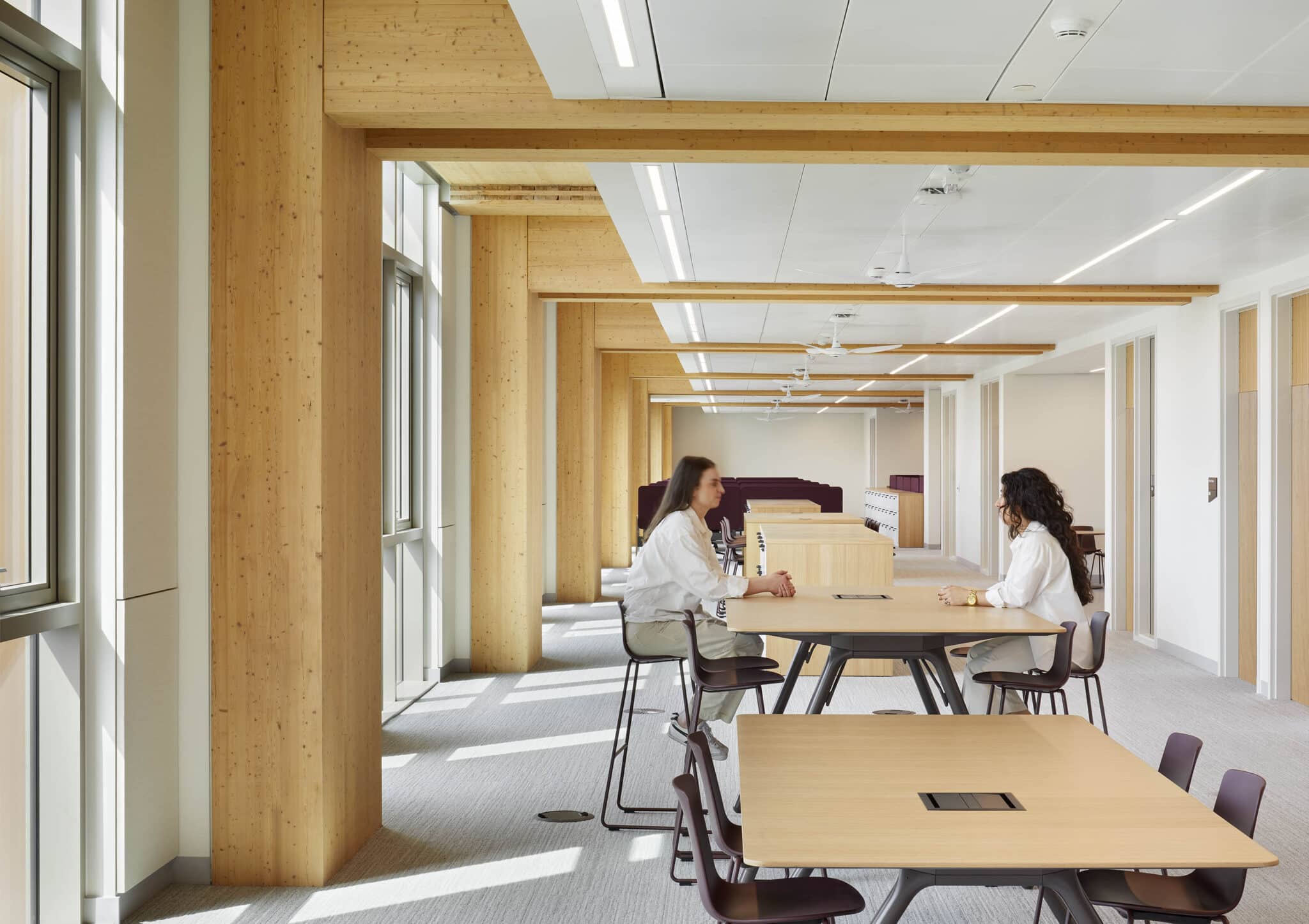
Photo © Tom Arban

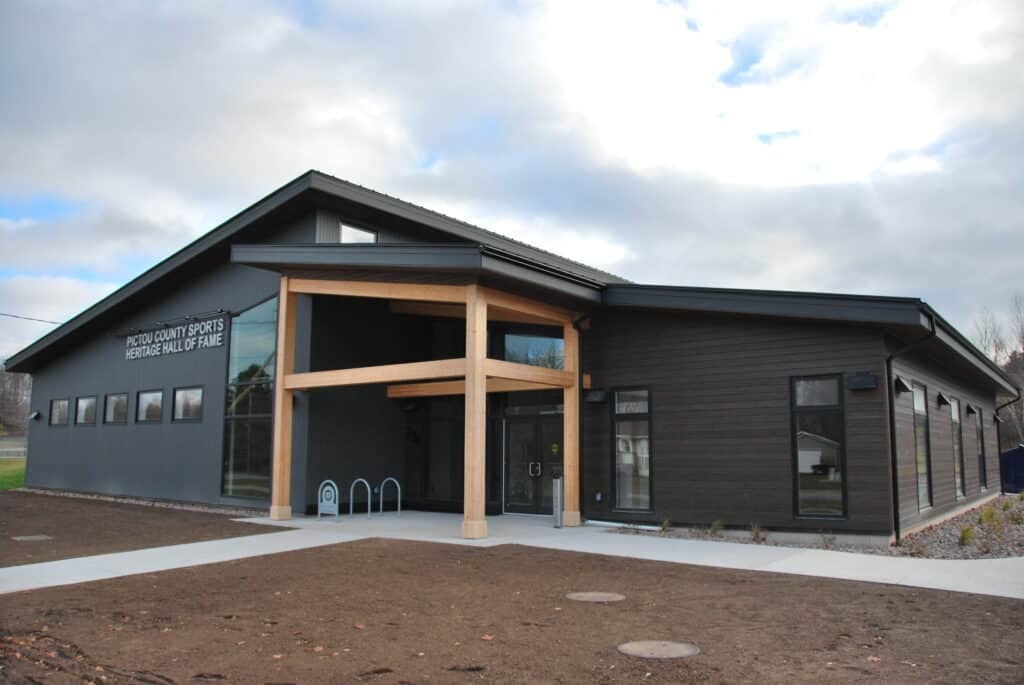
WoodWorks Building Tour – Pictou County Mass Timber Buildings

Federal Call for Proposals Opens Under $500M Forest Sector Transformation Investment

February 25, 2026 (Ottawa, ON) — The Canadian Wood Council (CWC) welcomes today’s launch of a national Call for Proposals by the Honourable Tim Hodgson, Minister of Energy and Natural Resources, under Natural Resources Canada’s forest sector transformation programs. Backed by a $500-million federal commitment, the funding is now open for applications from eligible businesses and organizations across Canada.

The call supports projects through four key programs:


“This strategic investment comes at a pivotal time for Canada’s forest sector,” said Rick Jeffery, President and CEO of the Canadian Wood Council. “These programs can help accelerate modernization, support innovation, and expand the use of advanced wood solutions—strengthening our industry and opportunities within our domestic market while positioning Canada as a global leader in sustainable construction.”

Wood solutions are central to Canada’s built environment and economic future. Expanded use of wood in construction can support housing supply goals, reduce embodied carbon, and create new opportunities for growth and value-added manufacturing.

The Canadian Wood Council encourages members, partners, and wood products manufacturers to explore these funding opportunities to:

  • innovate and diversify production
  • strengthen domestic demand
  • expand the use of wood in construction
  • support Indigenous participation
  • access emerging markets


About the Canadian Wood Council

The Canadian Wood Council (CWC) is Canada’s unifying voice for the wood products industry. As a national federation of associations, our members represent hundreds of manufacturers across the country. Our mission is to support our members by accelerating market demand for wood products and championing responsible leadership through excellence in codes, standards, and regulations. We also deliver technical support and knowledge transfer for the construction sector through our market leading WoodWorks program.


For media inquiries, please contact:

Sarah Hicks
Communications and Outreach Manager
Canadian Wood Council
shicks@cwc.ca  | 1-705-796-3381

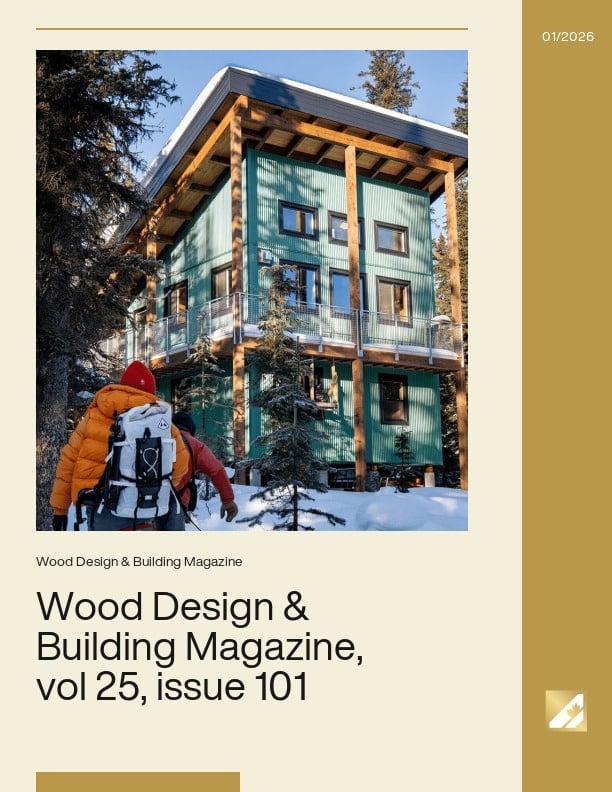
Wood Design & Building Magazine, vol 25, issue 101

Every issue of Wood Design & Building tells a different story about how wood is shaping contemporary construction. Some editions revolve around a clear theme such as our recent issue on strategic additions and adaptive reuse; others, like this one, reflect the diversity of challenges, innovations, and contexts that define wood construction today. What unites the features in this issue is not a single building type or region, but a shared commitment to thoughtful planning, ingenuity, and execution.

We begin in the mountains of British Columbia, where the Robson Cabin project pushes the limits of planning and coordination. Accessible only by helicopter, the remote alpine site demanded meticulous preparation, high levels of prefabrication, and an unwavering attention to detail. Alongside the technical complexity, the construction crew also contended with less predictable site conditions—including a persistent population of porcupines, whose curiosity added a memorable twist to an already remarkable build.

From there, we turn to one of the most sought-after—and often elusive—topics in the industry: cost. Reliable, project-specific costing data for mass timber buildings remains rare, and cost uncertainty can be a barrier to wider adoption of mass timber construction. This issue features an overview of a new mass timber business case study published by WoodWorks BC, which presents detailed cost, schedule, and design data from three projects. By comparing mass timber systems to conventional construction approaches across three building types, the study offers valuable insight into real-world construction costs, decision-making, and the strategies that can bring mass timber into cost parity.

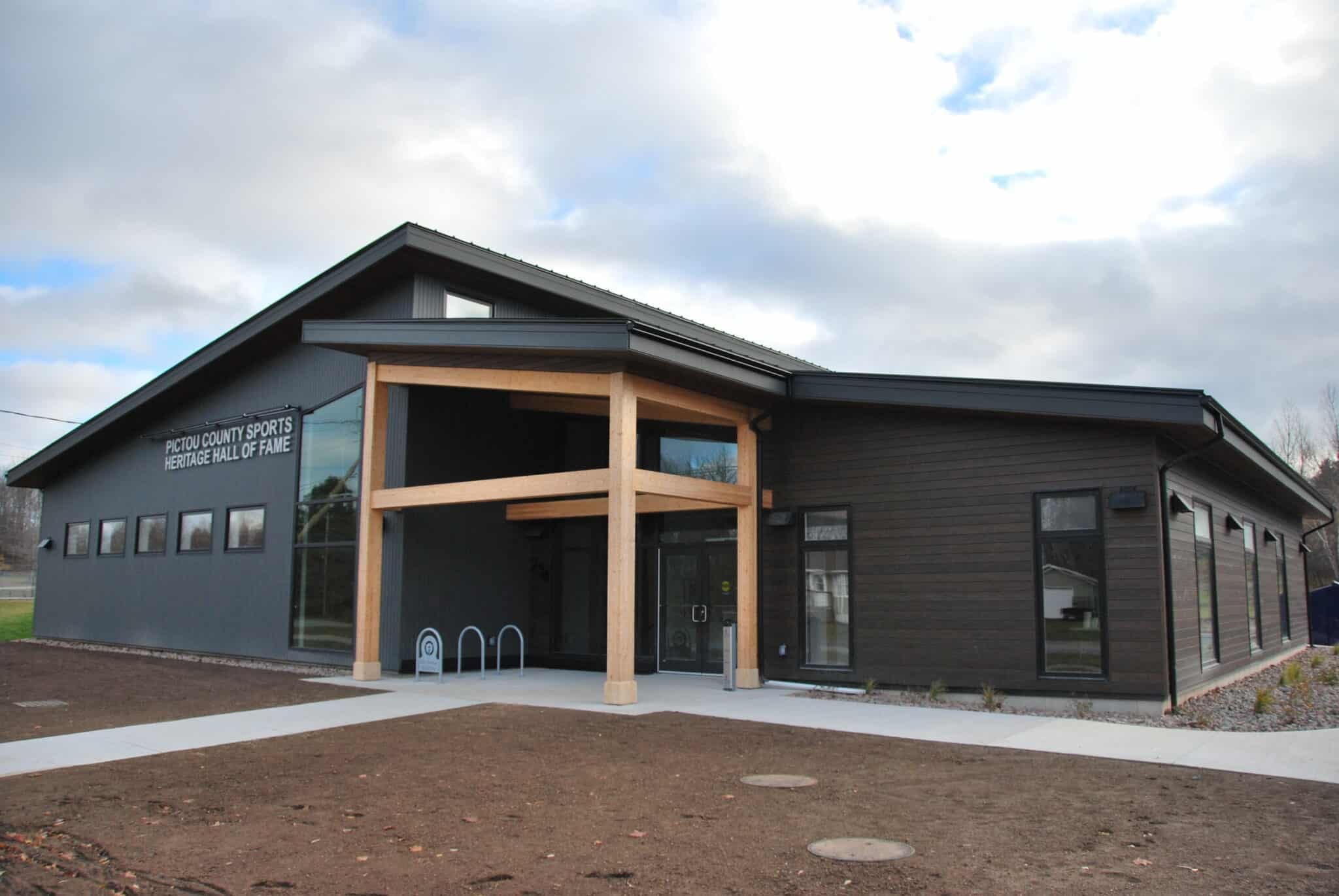
Our final feature takes us to Trenton, Nova Scotia, for a virtual construction tour of the Pictou County Sports Heritage Hall of Fame, a community-focused project being realized through close collaboration between designers, builders, and trades. The one-storey building brings together panelized engineered wood walls, traditional light wood frame construction, and a central mass timber foyer, showcasing a deliberate “right material in the right place” approach. Built using offsite fabrication and carefully sequenced installation, the project demonstrates how coordination and precision can be leveraged to deliver a refined wood building that balances efficiency, constructability, and architectural expression.

Together, these stories offer a snapshot of a sector defined by creativity, technical rigor, and resilience—whether navigating rugged mountain terrain, unpacking the realities of construction costs, or reimagining how cultural buildings are delivered. We hope they inform, inspire, and perhaps even entertain.

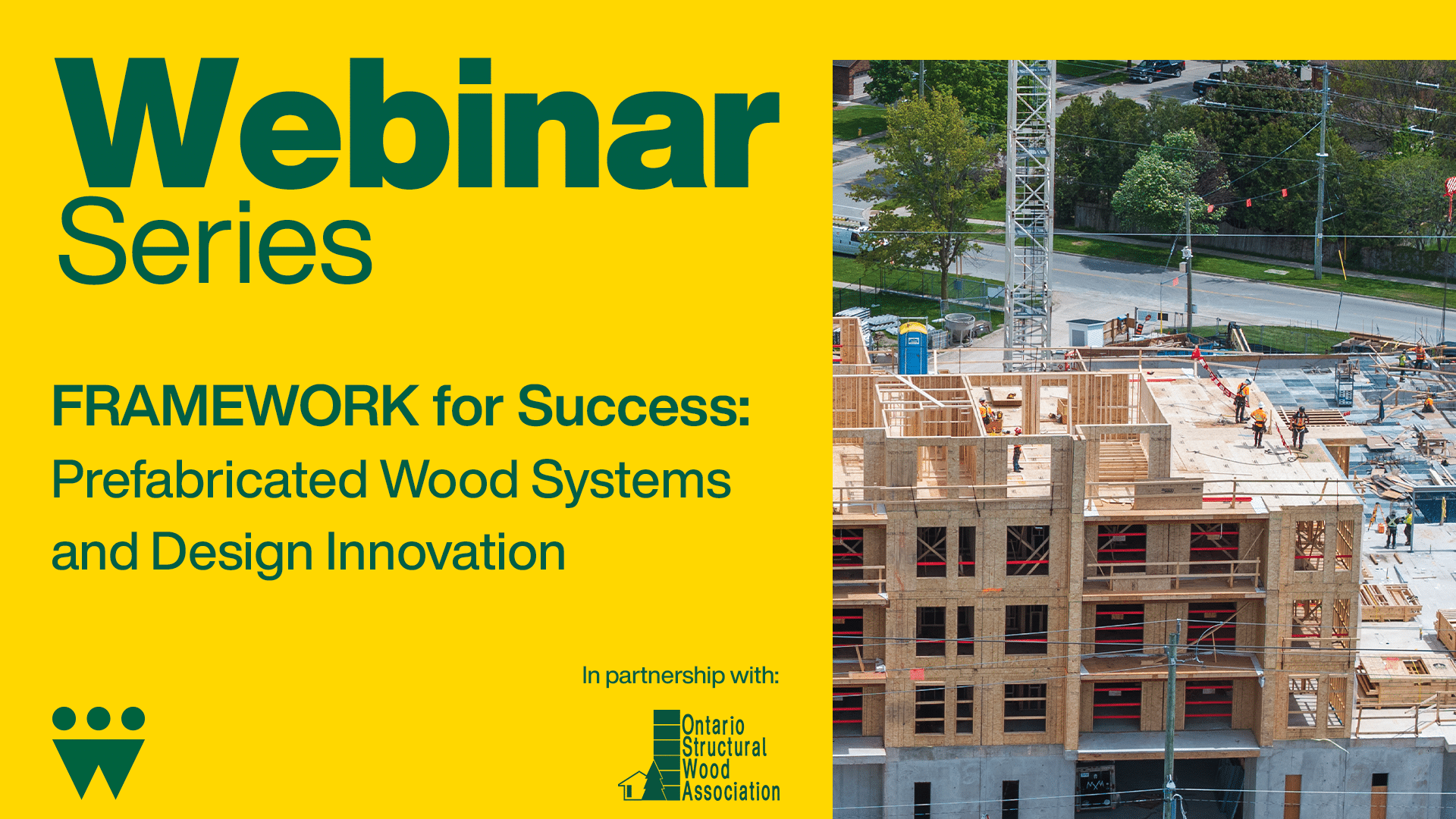
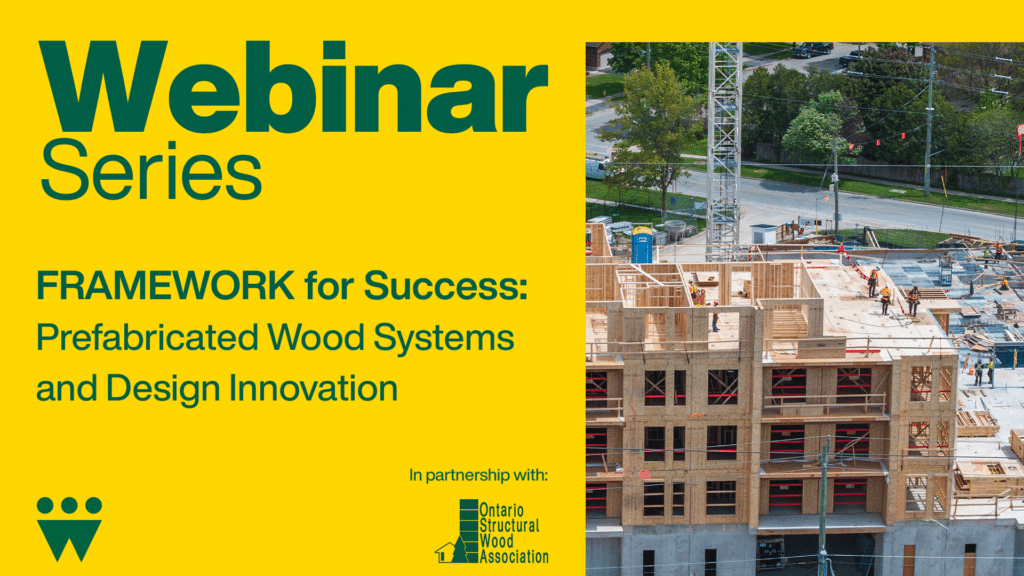
FRAMEWORK for Success: Prefabricated Wood Systems and Design Innovation

Course Overview

This presentation explores the transformative impact of prefabricated light wood frame construction systems in multi-residential development, focusing on VanMar’s FRAMEWORK methodology and its application in the new 150 Wissler Road project in Waterloo. FRAMEWORK is a highly efficient, panelized light wood frame system designed for buildings up to six storeys, delivering rapid, sustainable, and cost-effective construction that meets and exceeds energy and greenhouse gas reduction targets. The session will highlight VanMar’s extensive experience in affordable housing, the advantages of offsite prefabrication, and the collaborative process that accelerates project delivery. 

Learning Objectives

  1. Participants will understand the benefits of prefabricated wood frame construction for multi-residential buildings.
  2. Participants will understand the FRAMEWORK system’s approach to speed, cost-effectiveness, and sustainability.
  3. Participants will be shown how collaborative offsite construction methods accelerated the 150 Wissler Road project.
  4. Participants will learn strategies for overcoming design challenges and achieving efficiencies in fire walls, shafts, and acoustics.

Course Video

Speakers Bio

Jordan Zekveld  
Director of Preconstruction
VanMar Constrcutors ON

Jordan is a construction and development professional with deep experience in estimating, preconstruction, and cost strategy for multi-unit residential projects. At VanMar Constructors, he helps developers, REITs, and non-profits bring condominium, rental, and affordable housing projects from concept to construction. Drawing on VanMar’s integrated design-build expertise, Jordan leads collaborative preconstruction processes that align design intent, feasibility, and cost efficiency. His experience spans concrete high-rise and innovative mid-rise wood-frame developments, including the Framework system — VanMar’s sustainable, fast, and cost-effective building solution. With a focus on clarity, constructability, and long-term value, Jordan works at the intersection of planning, design, and execution to help deliver housing that’s efficient, affordable, and built to last.

Mike Philips 
Executive Director
Ontario Structural Wood Association (OSWA)

Mike Phillips has served as Executive Director of OSWA since 2008. Under his leadership, the association has evolved from a truss-fabricator-focused group into Ontario’s leading voice for structural wood component manufacturing. Today, the province is home to 70 certified truss plants and 40 wood-panel manufacturers, with engineered wood products now the preferred choice for floor systems. At the same time, Ontario’s building code has never been more prepared to accommodate advanced wood-construction methods. Mike is a strong advocate for the industrialization of construction and the expanding role of off-site building systems—critical drivers of wood construction’s future growth.

Paul Marchesani 
Operations Manager
Panelized Building Solutions Inc.

Paul Marchesani is the Vice President of Panelized Building Solutions Inc., a family run business where he plays a key leadership role in driving operational excellence, strategic growth, and project execution across the company. Known for his strong work ethic, hands-on approach, and deep industry knowledge, Paul oversees day-to-day operations while supporting long-term planning that aligns with the company’s vision. Before joining Panelized Building Solutions, Paul held key roles in project management and operations within manufacturing and construction environments, where he oversaw production teams, implemented process improvements, and helped streamline workflow efficiencies. His ability to manage both people and complex technical projects made him a natural fit for leadership. Respected by colleagues, clients, and trade partners alike, Paul combines technical expertise with strong leadership, making him an essential pillar of the company’s continued success.

Building Canada’s Future With Wood
Scaling Affordable Rental Housing with Tall Mass Timber
Unlocking Affordable Timber Innovations in Structure, Prefabrication, and Code
Webinar – Online Tools for Wood Construction: CodeCHEK, FRR & STC & EMTC Calculator
Atelier sur le Logiciel WoodWorks®: Sizer, Connections and Shearwalls
WoodWorks Building Tour – Pictou County Mass Timber Buildings
Wood Design & Building Magazine, vol 25, issue 101
FRAMEWORK for Success: Prefabricated Wood Systems and Design Innovation
Course Overview This session will feature thought leaders in a podcast-style conversation exploring the evolving role of wood in Canadian construction. Through a series of...
Course Overview As cities face growing pressures around affordability, climate resilience and livability, innovative projects like Catalyst's 18-storey CLT rental development...
Course Overview Bond Tower is a 7-storey mixed-use prototype that asks a critical question: how can mass timber be made cost-effective in the Prairies, where supply chains...
Introduction Cet atelier présente une vue d’ensemble complète de la suite logicielle WoodWorks® (édition canadienne) et de son application pratique pour la conception...
The Canadian Wood Council is pleased to introduce a new design tool: the Exposed Mass Timber Calculator. Developed to support practitioners working with encapsulated mass...
February 25, 2026 (Ottawa, ON) — The Canadian Wood Council (CWC) welcomes today’s launch of a national Call for Proposals by the Honourable Tim Hodgson, Minister of...
Every issue of Wood Design & Building tells a different story about how wood is shaping contemporary construction. Some editions revolve around a clear theme such as our...
Course Overview This presentation explores the transformative impact of prefabricated light wood frame construction systems in multi-residential development, focusing on...

Get Access to Our Resources

Stay in the loop and don’t miss a thing!

1
2
3

Get Access to Our Resources

Stay in the loop and don’t miss a thing!

What’s Your Occupation?

Help us personalize the content for you.

What Interests You the Most?

Help us personalize the content for you.

Filters

Expertise Icon
Field of Expertise
Province Icon
Province
Member Type Icon
WoodWork National Partners

Filters

Post Type Icon
Post Type
Persona Icon
Persona
Language Icon
Language
Tags Icon
Tags
Mass Timber Plus Icon Environment Plus Icon Safety Plus Icon Durability Plus Icon Design Systems Plus Icon Budget Plus Icon Construction Management Plus Icon Fire Resistance Plus Icon Tall Buildings Plus Icon Short Buildings Plus Icon
Date Icon
Date
Line Separator