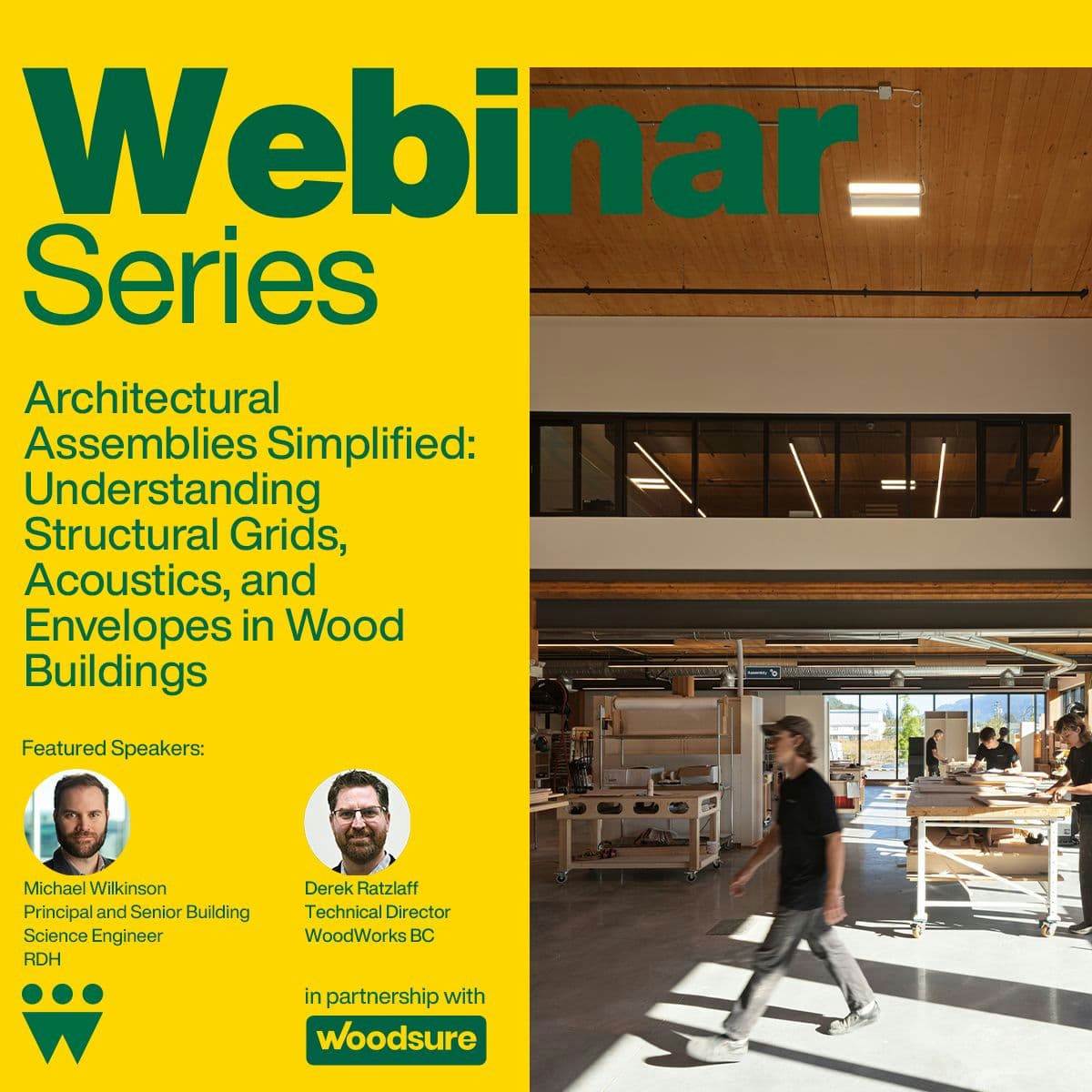
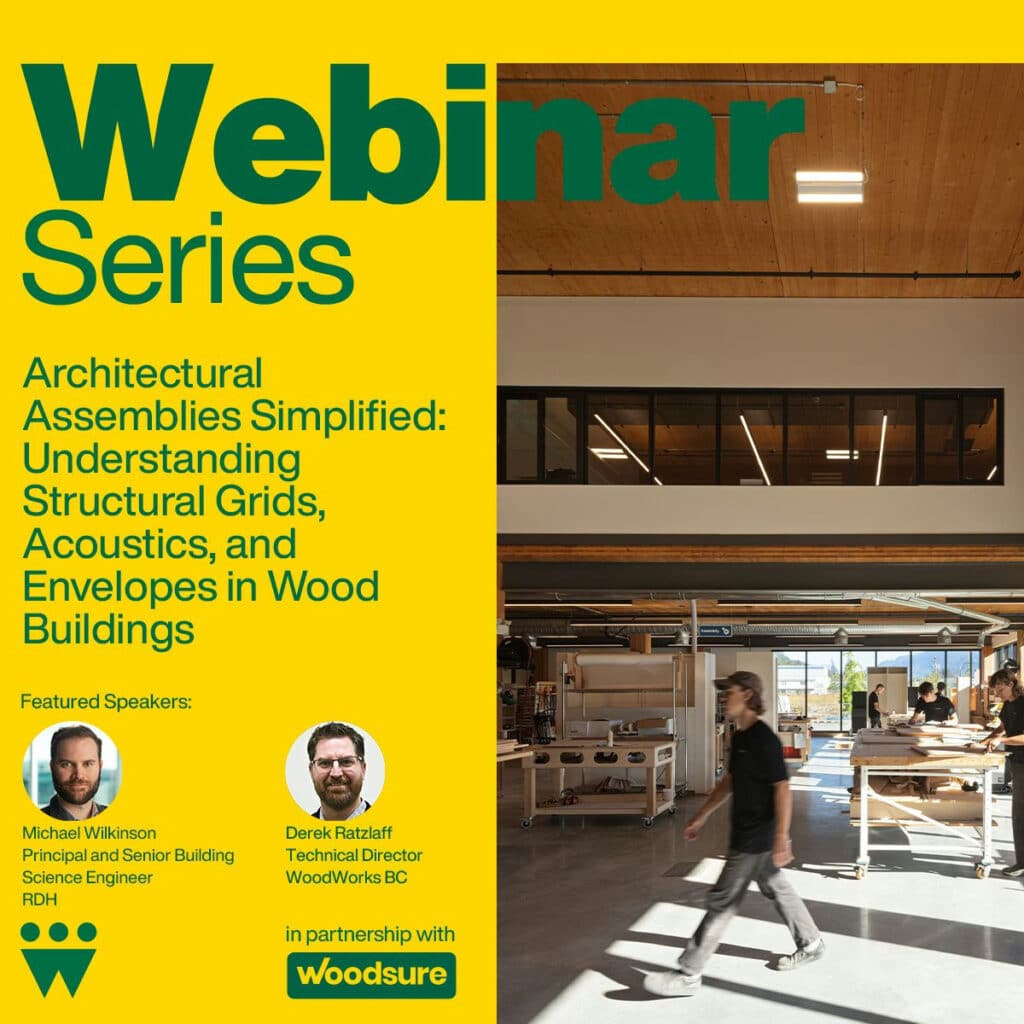
Architectural Assemblies Simplified: Understanding Structural Grids, Acoustics and Envelopes in Wood Buildings
Course Overview
This session will help you to formulate effective floor and wall assemblies when designing wood structures, both light wood frame and mass timber. Discussion will cover typical fire ratings and strategies, acoustic performance of different assemblies and effective strategies for weather-tight exterior envelopes. Background on typical structural assemblies for different grid sizes will help you understand how to effectively develop complete assemblies when designing timber buildings.
Learning Objectives
Participants will understand how to formulate effective floor and wall assemblies for wood structures, including both light wood frame and mass timber, to optimize performance and design efficiency.
Participants will understand typical fire ratings and the acoustic performance of various assemblies and gain strategies to enhance the safety and comfort of wood buildings.
Participants will learn how to design weather-tight, high-performance exterior envelopes for wood buildings.
Participants will discover typical structural assemblies for different grid sizes and learn how to effectively develop complete assemblies when designing timber buildings.
Course Video
Speaker Bio
Michael Wilkinson Principal and Senior Building Science Engineer RDH
Michael Wilkinson is a Principal and Senior Building Science Engineer at RDH. He has provided consulting services across a range of building typologies with a focus on high performance and innovative building projects including those that are Passive House, mass timber, and volumetric modular. Michael has also been involved in numerous research projects including product development and performance monitoring and is the lead author of several guideline documents for government agencies and building enclosure product manufacturers. Additionally, Michael is a part-time instructor at the BC Institute of Technology where he teaches building science and construction technology classes.
Derek Ratzlaff, P.Eng., Struct.Eng., PE Technical Director, WoodWorks BC Canadian Wood Council
Derek began his career in the wood industry in high school working on single and multi-family light wood construction, after university and almost 20 years of structural consulting experience, Derek has worked in all types of wood construction and played key roles in the delivery of iconic BC wood structures, the Richmond Olympic Oval and Grandview Heights Aquatic Centre. He brings his experience in design and construction to support the industry as the Woodworks BC Technical Director.
A Zero Carbon Hybrid Wood Supertall Future
Course Overview
With buildings generating 40% of global carbon emissions, we need to achieve net-zero by 2050 to meet the Paris Agreement target and limit global warming to 2°C. Timber sequesters an average of 1.9 metric tons of carbon-dioxide equivalent emissions per cubic meter (Sathre & O’Connor, 2010). While a purely mass timber tall building may not be the most cost-efficient solution, a hybrid structure can maximize the overall use of wood by volume in the most cost-efficient manner. Floor systems in buildings contribute as much as 73% of the environmental impact of a high-rise building’s structure (Lankhorst et al., 2019), making them an excellent target for reducing embodied carbon.
DIALOG’s patent- pending Hybrid Timber Floor System (HTFS) takes advantage of the benefits of cross-laminated timber (CLT) combined with pre-stressed concrete to achieve a 12-metre column-free span. The HTFS is proposed as part of our Hybrid Timber Tower, a 105-storey mixed-use prototype that is being evaluated and tested by DIALOG and EllisDon. The prototype structure consists of the hybrid timber floor, combined with a concrete core and an external steel frame. Fire safety is achieved in the floor panels as the exposed wood chars to form a protective layer, while the non-combustible concrete and steel band continues to support the panel. The exposed CLT panels also provide a biophilic appeal, which has shown to support cognitive function as well as physical and psychological well-being (Vidovich, 2020). DIALOG, EllisDon, FPInnovations and other partners have completed the first phase of small-scale testing on over 40 panels. We are scheduled for fire testing of the panels in Ottawa with NRCan this fall with full scale testing of the 12-meter panels starting in late 2022.
Learning Objectives
Describe how hybrid mass timber systems—such as the Hybrid Timber Floor System (HTFS)—reduce embodied carbon and support zero‑carbon goals in high-rise, mixed-use developments.
Explain the structural, fire safety, and performance characteristics of hybrid CLT–concrete floor assemblies, including how charring, concrete bands, and steel elements contribute to long-span capability and code compliance.
Evaluate the role of multidisciplinary research, prototyping, and large-scale testing in validating hybrid timber technologies for supertall applications, including their impacts on sustainability, biophilia, and cost efficiency.
Craig Applegath is the founding principal of DIALOG’s Toronto Studio, and a passionate designer who believes in the power of built form to meaningfully improve the wellbeing of communities and the environment they are part of. Since graduating from the Graduate School of Design at Harvard University with a Master of Architecture in Urban Design Craig has focused his energies on leading innovative planning and design projects that address the complex challenges facing our communities, as well as on his advocacy of sustainable building design and urban regeneration and symbiosis. Craig’s area of practice includes the master planning and design of institutional projects, including post secondary education, healthcare facilities, as well as the design of innovative mixed-use- facilities.
Craig was a founding Board Member of Sustainable Buildings Canada, a Past President of the Ontario Association of Architects, and the current moderator of SymbioticCities.net. Craig has lectured or taught at Harvard, the University of Toronto, the University of Waterloo, as well as at many professional and sector related conferences around the world. In 2001 Craig was made a Fellow of the Royal Architectural Institute of Canada for his contributions to the profession of architecture. In 2017 he was presented with the OALA Honourary Membership Award for his contributions to the cause of landscape architecture in Ontario.
Neel Bavishi, PEng, CEM Building Performance Analysis, Associate DIALOG
Neel is passionate about applying the art and science of building performance simulation and data-driven design to produce positive outcomes for the built environment. He embraces holistic solutions that minimize the environmental impact of building assets while providing enhanced value to building owners, developers, policymakers, and designers through improved well-being and reduced total cost of ownership. Neel believes that an integrated and collaborative approach that incorporates diverse perspectives is essential for delivering high-performance buildings.
A mechanical engineer by training, Neel is well-versed in whole-building energy modelling for both new and existing buildings and lifecycle cost analysis, design optimization, and data visualization. His experience includes developing energy models for green building certification programs, carbon-neutral retrofit studies and district energy strategies, and the development of net-zero energy and emissions policies and standards for municipal, provincial, and federal government bodies. His projects span various asset classes, including recreational facilities, commercial high-rise towers, multi-unit residential buildings, hospitals, data centres, and transit facilities. He is a licensed Professional Engineer in the province of Ontario and is a Certified Energy Manager.
Cameron is an Associate on the Structural Engineering team in DIALOG’s Toronto studio. Since graduating with a PhD from the University of Toronto, Cameron has acted as a structural design engineer and project manager across a variety of sectors and project types, including healthcare, institutional, government, and retail. He has experience in all stages of a project delivery, from feasibility studies through construction administration and management.
Cameron is DIALOG’s project manager for the hybrid timber floor system (HTFS) research program, working closely with industry partners EllisDon. He is passionate about exploring mass timber wherever possible as a sustainable solution to our building needs.
Canadian Wood Council Welcomes Federal Investment in Forestry Innovation and Housing Solutions
August 5, 2025 – (Ottawa, ON) The Canadian Wood Council (CWC) welcomes today’s announcement by Prime Minister Mark Carney in Kelowna, unveiling a $1.2 billion investment to support Canada’s forest sector and accelerate the use of Canadian wood in domestic construction.
The measures – including $700 million in loan guarantees and $500 million to advance innovation, workforce development, and market diversification – send a strong signal of support for sustainable construction and domestic manufacturing. CWC is encouraged to see federal action aligned with the priorities it has long championed through its technical work in codes and standards and resource program delivery.
“This announcement reinforces the critical role that wood-based solutions can play in meeting Canada’s housing and climate goals,” said Rick Jeffery, President and CEO of the Canadian Wood Council. “The focus on innovation, capacity expansion, and domestic use of wood aligns well with technical insights we’ve shared over many years through our work with government, industry, and the architects, engineers, construction professionals, and developers (AECD) community.”
CWC has worked closely with federal departments and agencies, including Natural Resources Canada, on initiatives such as the Green Construction through Wood (GCWood) program, which has demonstrated the ability to de-risk early projects and help scale up Modern Methods of Construction (MMC). These approaches, such as mass timber and prefabrication, are essential to accelerating housing starts while reducing carbon emissions and supporting rural economies across Canada.
“With the Build Canada Homes plan targeting 500,000 new units annually, today’s announcement provides important tools to help scale construction innovation,” Jeffery added. “Ensuring that Canadian wood products are part of the solution is a smart investment in housing, climate action, and economic resilience.”
CWC will continue its work providing technical assistance, education, and data-driven insight to support the successful implementation of federal initiatives. The organization remains committed to working with all levels of government and industry partners to help increase the use of sustainable wood systems in construction.
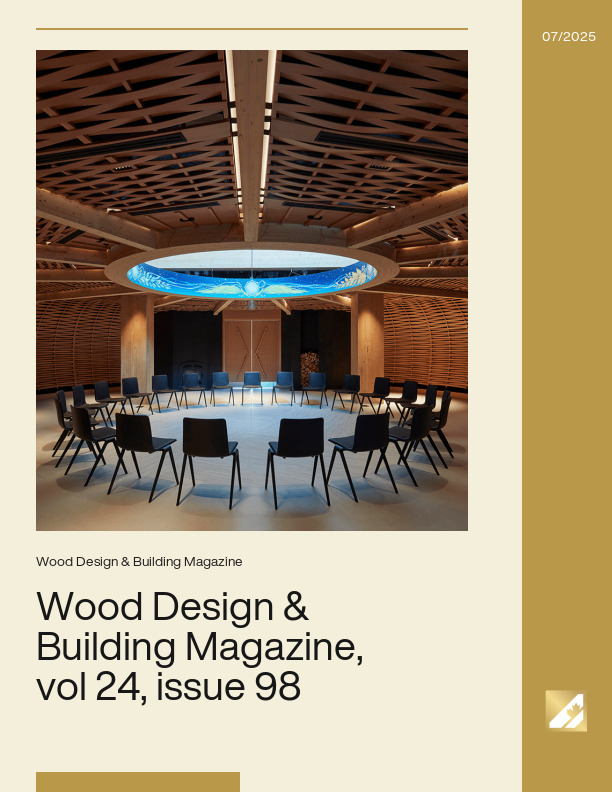
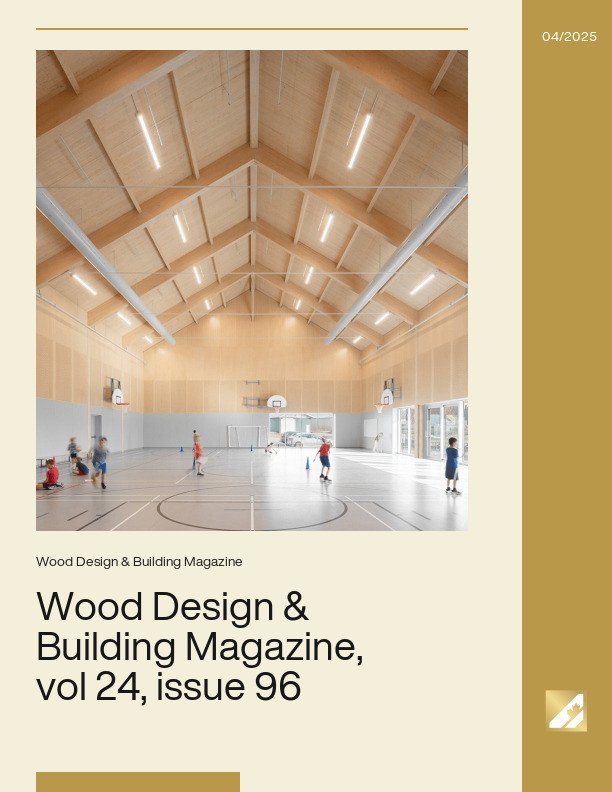
What does it take to deliver better buildings? In this issue, we explore that question from a couple of different angles—primarily through a look at standout wood projects that demonstrate wood design excellence, but also through a thoughtful feature on offsite prefabrication that invites the construction industry to think critically about how we build and what it will take to build better. Through enhanced collaboration and the expanded use of technology, prefabricated construction—an approach especially well-suited to wood—is transforming the way we design and deliver buildings.
This fall, the Canadian Wood Council is proud to support Woodrise 2025, an international conference coming to Vancouver, British Columbia. As part of this event, the 5th International Congress on tall wood construction, we’ve curated nine immersive tours that offer attendees a unique opportunity to step inside some of the region’s most compelling wood projects for a firsthand look at the leadership and innovation happening here.
If you believe one of the best ways to learn about a building is to walk through it—this is your chance. The full tour lineup is available now at www.woodrise2025.com/offsite-tours. Join us to explore everything from sustainable forest management and advanced manufacturing to some of the region’s most iconic mass timber buildings – experiences that bring together the people, materials, and design approaches shaping the future of low-carbon construction in B.C. and beyond.
We hope this issue inspires you to keep exploring what’s possible with wood—whether in your own projects or out with us on tour.
Canadian Wood Council Applauds Nova Scotia’s Prioritization of Wood Products for Construction and Heating in Public Buildings
OTTAWA, ON, 18 July 2025 – The Canadian Wood Council (CWC) applauds the Province of Nova Scotia’s recent announcement regarding the prioritization of wood products for construction and heating in public buildings – a strategic move that supports economic growth, climate resilience, and innovation in the province’s forestry sector.
By committing to mass timber and other solid wood products for construction, alongside the use of wood pellets, biomass, and other products made from forest residuals for heat and energy, Nova Scotia is taking a leadership approach to development that aligns environmental stewardship with economic opportunity.
This initiative reinforces the principles of a circular economy built on sustainable forest management. This comprehensive approach to fibre utilization ensures the province is maximizing the value of harvested wood and reducing waste while simultaneously supporting jobs, stimulating rural economies, and strengthening local and regional supply chains across the forestry and construction sectors.
“This commitment from the province of Nova Scotia not only supports local forestry and bioeconomy innovation, but also delivers practical solutions to reduce emissions, improve energy security, and build with a lighter carbon footprint,” says Rick Jeffery, President & CEO of the Canadian Wood Council. It’s a smart and timely commitment to sustainability that will strengthen local industries while advancing practical, low-carbon building solutions.”
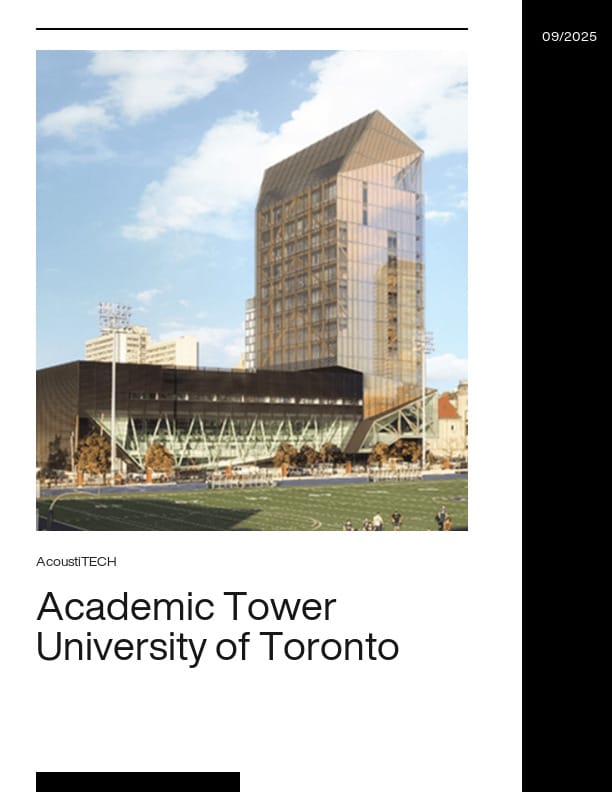
Setting a new standard in Canada’s tallest mass timber structure, Soprema Insonomat system provided an ideal balance of sustainability, safety, and superior sound insulation.
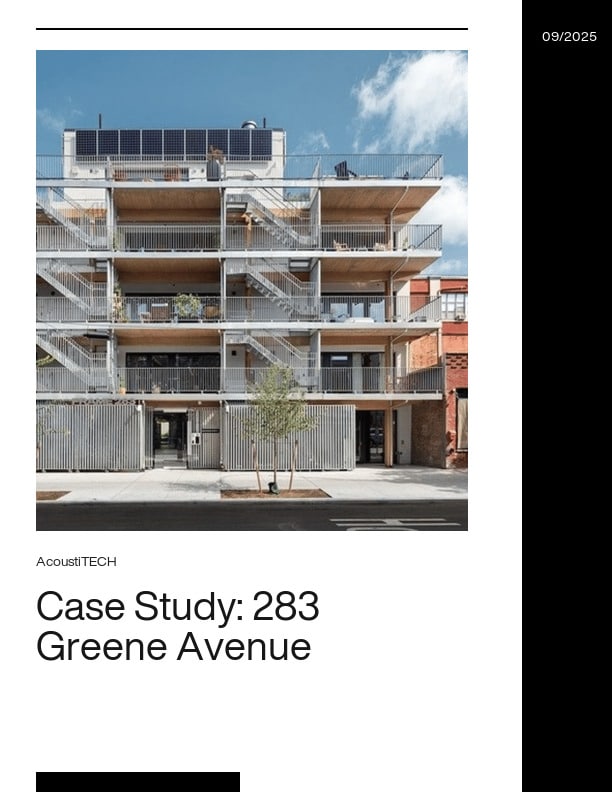
AcoustiTECH’s innovative and effective acoustic solutions made New York’s first mass timber residential project a triumph of modern design and sound comfort. Discover how the AcoustiTECH Lead 6 and AcoustiTECH SOFIX system harmonized natural aesthetics with high acoustic performance.
Canadian Wood Council Supports Ontario’s Advanced Wood Construction Action Plan
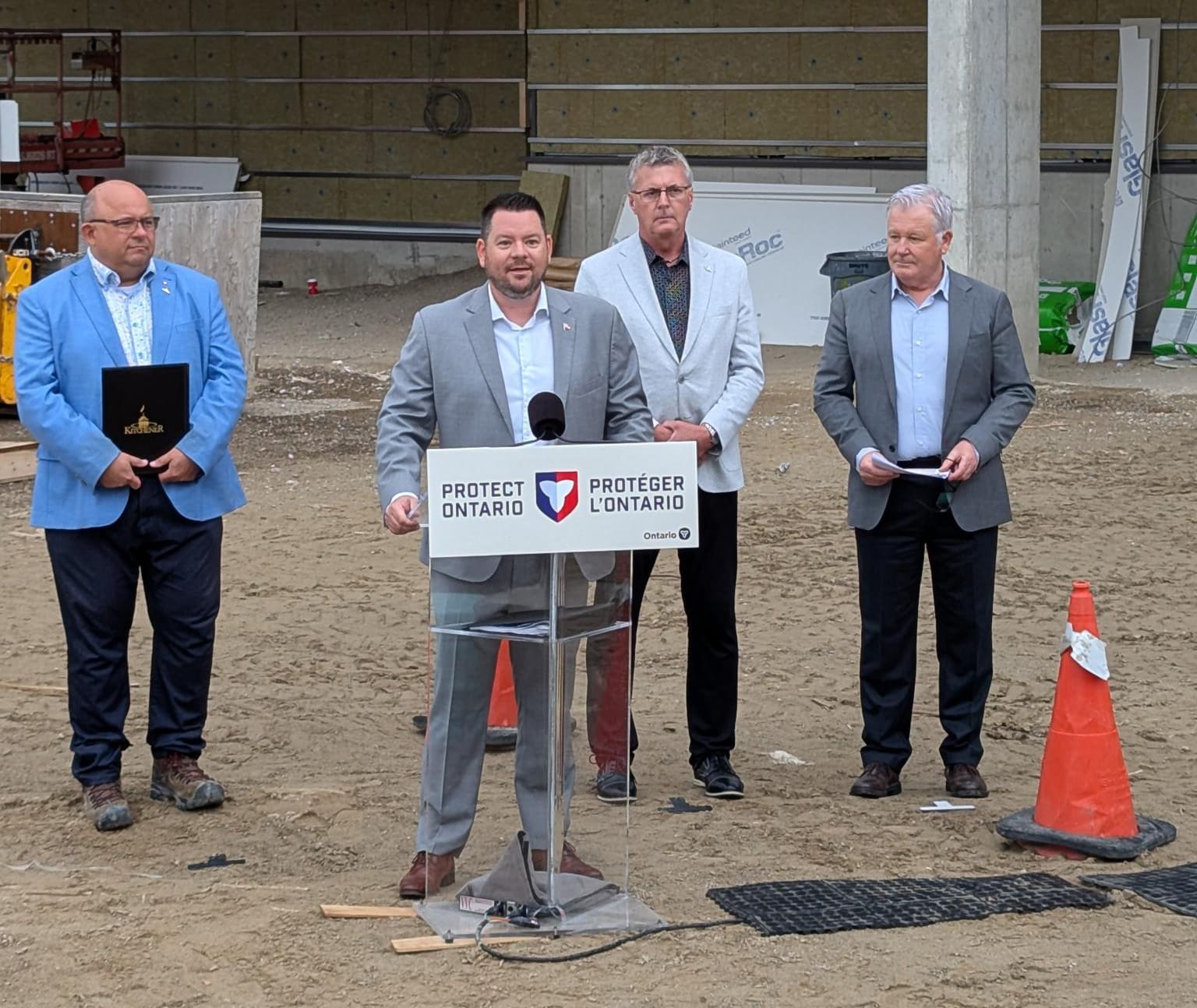
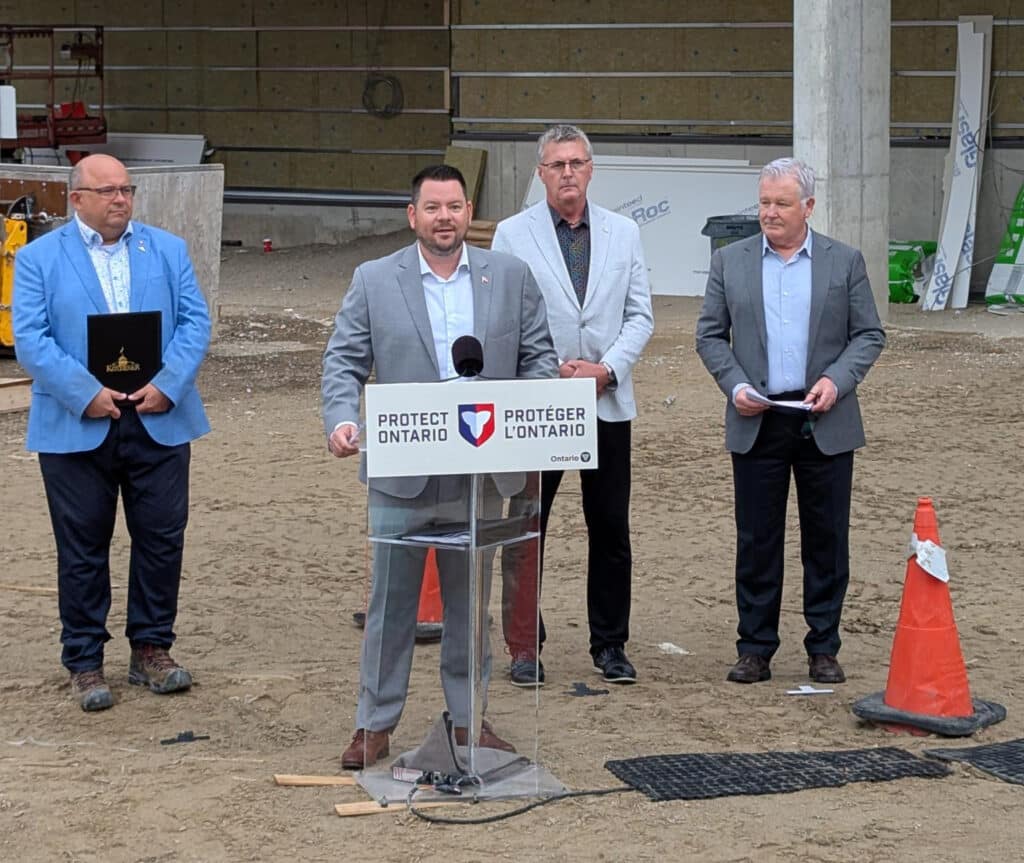
KITCHENER, ON — The Canadian Wood Council (CWC) was proud to participate in a significant announcement by the Government of Ontario yesterday, where the Honourable Mike Harris, Minister of Natural Resources, and the Honourable Kevin Holland, Associate Minister of Forestry and Forest Products, launched Ontario’s Advanced Wood Construction Action Plan.
The Action Plan outlines a strong, strategic commitment to advancing the use of mass timber and prefabricated wood systems—technologies that can deliver high-performance buildings while supporting job creation and investment across Ontario’s forestry, manufacturing, and construction sectors.
As the national association representing manufacturers of Canadian wood products, CWC welcomes this important step forward. Through its technical resource program, WoodWorks, the Council is committed to supporting the growth of advanced wood construction by providing guidance, education, and project support to professionals across the building sector.
“This is about solving today’s challenges while laying the groundwork for long-term economic growth—with industrialized wood construction driving that transformation forward,” said Steven Street, Executive Director of WoodWorks Ontario.
The Action Plan includes investments in research, education, training, and manufacturing, positioning Ontario as a leader in low-carbon, efficient, and sustainable construction. CWC applauds the province’s leadership and looks forward to continuing its collaboration with public and private partners to advance the adoption of made-in-Ontario wood solutions.
Buildings that stand the test of time aren’t just durable—they are cherished. When we invest in quality materials and good design, we can create buildings that people connect with. As you’ll discover in this issue, many heavy timber warehouses and factories constructed in the early 1900s remain a vital part of our cities today—not because they still serve their original purpose, but because people valued them enough to adapt, restore, and reuse them, giving them a new purpose.
Fast forward a hundred years and resilient structures include many new forms. Modular construction, for example, has seen significant growth in recent years as this form of construction has transformed from a building method once considered inferior, into a method relied upon to deliver high-performance durable buildings.
Alongside our features on historic timber buildings and modular construction, this issue also highlights notable projects and emerging trends shaping today’s built environment. From innovative mass timber structures to forward-thinking design solutions, we explore how thoughtful craftsmanship and smart engineering continue to define the spaces we build—and the ones we keep.
Province: British Columbia City: Victoria Project Category: Educational
Description:
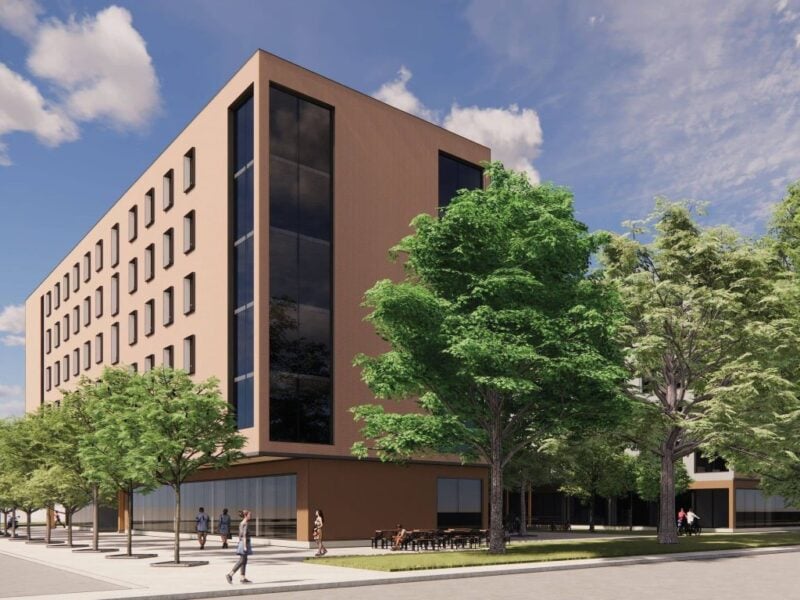
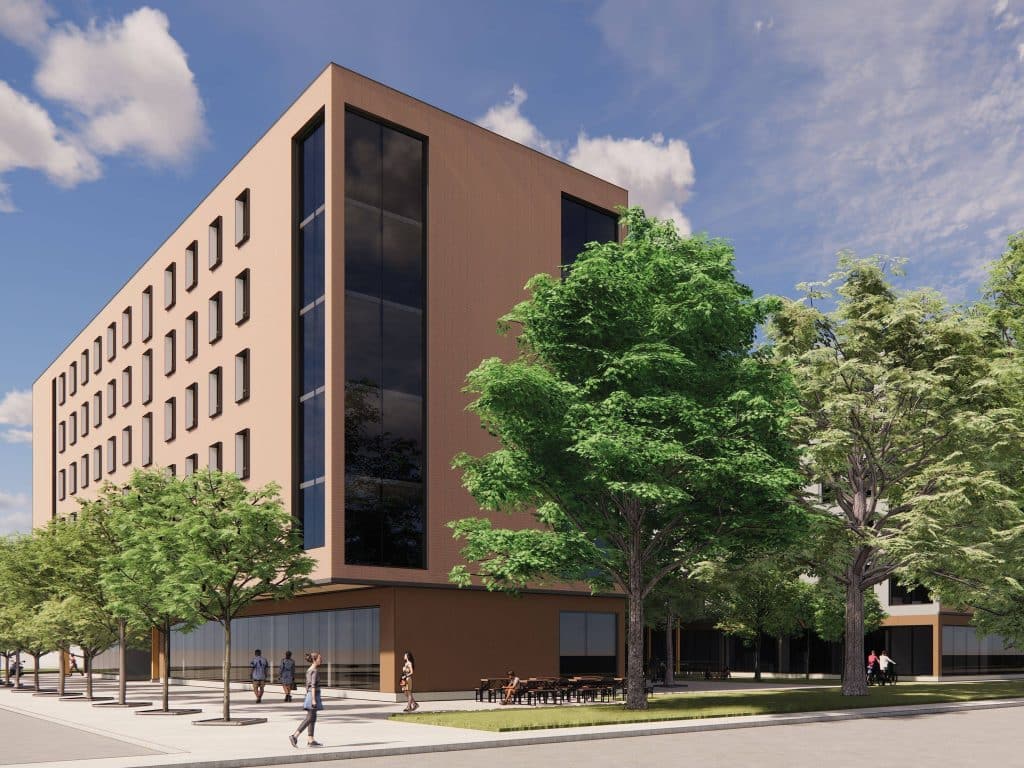
In July 2024, the B.C. government committed to fund $151.7 million for student housing at Camosun College’s Lansdowne Campus. The College will contribute an additional $3 million, for a total project cost of $154.7 million. According to a College press release, the six-storey building will be constructed using mass timber and will have more than 400 student beds (dormitory-style, single suite, and four-bedroom apartment-style) in addition to reflection rooms, universal washrooms, and communal kitchens. The College is currently in the process of choosing a main consultant to lead the design phase; it anticipates the consultant will be in place in 2025. Project completion is expected for fall 2027.
Canadian Wood Council Applauds Strategic Federal Investments in B.C.’s Forest Industry
OTTAWA, March 25, 2025 – The Canadian Wood Council welcomes the Government of Canada’s announcement of over $20 million in funding for 67 projects that support the growth and resilience of British Columbia’s forest sector.
While the announcement includes several strategic large-scale investments in advanced wood manufacturing, a significant strength of this initiative lies in the breadth of smaller-scale, high-impact projects that are collectively transforming communities across the province. From feasibility studies for Indigenous-led forest product businesses to the development of next-generation building technologies, these projects are advancing wood innovation, supporting workforce development, and expanding the role of wood in low-carbon construction.
Administered through Natural Resources Canada, this Green Construction through Wood (GCWood) funding supports a wide range of initiatives—from fire-testing mass timber connections and refining modelling guides for timber structures, to developing bioenergy solutions and value-added wood processing in Indigenous communities.
This announcement underscores the importance of decentralized innovation, where targeted investments in communities and research institutions alike contribute to a stronger, more sustainable forest sector. The Canadian Wood Council applauds this commitment and looks forward to continuing its work with design professionals, governments, and industry partners to support the expanded use of wood in the province through its market-leading WoodWorks program.
Course Overview This session will help you to formulate effective floor and wall assemblies when designing wood structures, both light wood frame and mass timber. Discussion...
Course Overview With buildings generating 40% of global carbon emissions, we need to achieve net-zero by 2050 to meet the Paris Agreement target and limit global warming to...
August 5, 2025 - (Ottawa, ON) The Canadian Wood Council (CWC) welcomes today’s announcement by Prime Minister Mark Carney in Kelowna, unveiling a $1.2 billion investment to...
What does it take to deliver better buildings? In this issue, we explore that question from a couple of different angles—primarily through a look at standout wood projects...
OTTAWA, ON, 18 July 2025 – The Canadian Wood Council (CWC) applauds the Province of Nova Scotia’s recent announcement regarding the prioritization of wood products for...
Setting a new standard in Canada’s tallest mass timber structure, Soprema Insonomat system provided an ideal balance of sustainability, safety, and superior sound...
AcoustiTECH’s innovative and effective acoustic solutions made New York’s first mass timber residential project a triumph of modern design and sound comfort. Discover how...
KITCHENER, ON — The Canadian Wood Council (CWC) was proud to participate in a significant announcement by the Government of Ontario yesterday, where the Honourable Mike...
Buildings that stand the test of time aren’t just durable—they are cherished. When we invest in quality materials and good design, we can create buildings that people...
Province: British Columbia City: Victoria Project Category: Educational Description: In July 2024, the B.C. government committed to fund $151.7 million for student housing...
OTTAWA, March 25, 2025 – The Canadian Wood Council welcomes the Government of Canada’s announcement of over $20 million in funding for 67 projects that support the growth...