en-ca

Searching for: Wood

Searching results for “Wood”
408 results found...
Sort By Dropdown Icon

The Canadian Guide to Mid-Rise Wood Construction 2021

The Mid-Rise project and the ensuing publication were conceived in order to provide a guide for opportunities that have been created by Canadian Code Provisions progressing, allowing 6 storey wood buildings over at least a decade.

The foundation for some of the ideas contained within, came from the Wood WORKS! program hosting regional focus groups, made up of key industry stakeholders. They were held at various locations across Canada during 2019. From the focus-group conversations and the research gathered and analyzed, it was evident that each province was at varying degrees of adoption, understanding and application for wood buildings up to 6 storeys. The opportunities that are available for wood use in mid-rise development are varied and many and it is hoped that some of the illustrations and information contained inside this guide will continue to inspire the design and construction industry.

The Code Matrix captures the variations of code provisions currently in use in each of the Canadian provinces, and highlights Part 3,4 and 5 requirements for wood buildings up to 6 storeys in height. Permissible building types, heights and areas, permitted mixed major occupancies, required fire resistance ratings and sprinkler provisions are illustrated.

The flow of the sections is laid out to mirror basic project planning steps that are generally undertaken by design teams. A keen understanding of what is allowed by code, creates the conversation around ideas for buildings and potential project opportunities. The location of a site, how it fits into local planning and zoning regulations, and a business case that makes it achievable, are all stages a design team navigates early with a client. Many factors drive the business case. Goals set early for greener and environmentally sustainable development, applications of sustainable materials having significantly lower embodied carbon, can be incorporated into design principles. Schedule often drives design and project efficiency, creating consideration into using prefabricated and modular wood structural systems.

Part 5 of the guide contains some technical considerations for 5- and 6- storey wood buildings is laid out to help designers better understand some of the practical considerations needed for the construction and design of mid-rise wood buildings. It is written for design professionals in the construction industry, and builders with the necessary skills to consider taller wood buildings.

This guide is illustrated to be relevant to all design and building professionals involved in building our future environments, including architects, engineers, the development community, material suppliers, manufacturers, building inspectors, municipal officials and planners, project managers, contractors, innovators, and the general public at large.

Wood Design Awards, 2020

Surface Flammability and Flame-Spread Ratings

The rate at which flame spreads on the exposed interior surfaces or a room or space can have an impact on the rate of fire growth within an area, especially if the materials of the exposed surfaces are highly flammable. Therefore, the National Building Code of Canada (NBC)¹ regulates the surface flammability of any material that forms part of the interior surface of walls, ceilings and, in some cases, floors, in buildings. Based on a standard fire-test method, the NBC uses a rating system to quantify surface flammability that allows comparison of one material to another, and the ratings within that system are called flame-spread ratings (FSR).

For some buildings, the smoke generated by materials or products lining some areas of the building when they burn is also regulated by the NBC. Since it may take some additional time for occupants to exit the building, this applies to all unsprinklered high buildings and all elevators or Group B occupancies in high buildings. The FSR and SDC is also regulated for some materials used in ducts and plenums. The smoke produced from a material or product is measured and quantified through another rating system, based on a standard fire-test method — the smoke developed classification (SDC). For most wood products used as interior finishes, both of these properties — the FSR and the SDC — are to be determined in accordance with CAN/ULC-S102, “Standard Method of Test for Surface Burning Characteristics of Building Materials and Assemblies.”² For flooring, CAN/ULC-S102.2 “Standard Method of Test for Surface Burning Characteristics of Flooring, Floor Coverings, and Miscellaneous Materials and Assemblies is to be used when a SDC or FSR is required.

Tall Wood Course of Construction Site Fire Safety

The vulnerability of any building, regardless of the material used, in a fire situation is higher during the construction phase when compared to the susceptibility of the building after it has been completed and occupied. This is because the risks and hazards found on a construction site differ both in nature and potential impact from those in a completed building; and these risks are occurring at a time when the fire prevention elements that are designed to be part of the completed building are not yet in place. For these reasons, construction site fire safety includes some unique challenges. Developing an understanding of these hazards and their potential risks is the first step towards fire prevention and mitigation during the course of construction (CoC).

Four-Storey Wood School Design in British Columbia: Life Cycle Analysis Comparisons

Climate change is one of the largest threats facing the planet today. The construction industry accounts for 11% of global carbon emissions, playing a significant part in the climate crisis. To determine the best solution for future school buildings, not only does practicability, economy and constructability play a part, so does sustainability.

In order to better understand the embodied carbon emissions associated with the construction of new school buildings in British Columbia, the embodied carbon content associated with the four framing systems examples in the companion report, An Analysis of Structural System Cost Comparisons (costing study), was assessed. The purpose of this study is to allow the embodied carbon associated with these systems to become an important factor when choosing a viable scheme.

Embodied carbon is the carbon footprint of a material or product. To determine the embodied carbon of a building you must consider the quantity of greenhouse gases associated with the building. The most effective way to measure this is through Life Cycle Analysis (LCA), a study which determines the embodied carbon from cradle to grave (material extraction to building demolition). Consequently, an LCA was conducted for each of the four schemes presented in the costing study. Additionally, for wood frame Options A and B, WoodWorks online carbon calculator was used to determine the potential carbon savings associated with carbon sequestering.

Four-Storey Wood School Design in British Columbia: An Analysis of Structural System Cost Comparisons

As land values continue to rise, particularly in higher-density urban environments, schools with smaller footprints will become increasingly necessary to satisfy enrollment demands. There are currently several planned new school projects throughout British Columbia that anticipate requiring either three-or four storey buildings, and it is forecast that demand for school buildings of this size will continue to rise.

Though timber construction would offer a viable structural material option for these buildings, the British Columbia Building Code (BCBC 2018) currently limits schools comprised of timber construction to a maximum of two storeys, while also imposing limits on the overall floor area. Given these constraints, the development of viable structural options that would accommodate larger and taller schools constructed primarily with timber materials has not been a key focus.

With the above factors in mind, the purpose of this report is to build upon the findings of the previously published Design Options for Three- and Four-Storey Wood School Buildings in British Columbia prepared by Fast + Epp and Thinkspace dated November 2019. Specifically, this report supplements the previous one by providing guidance in assessing and comparing the various framing options considered in the previous report primarily on a cost basis.

Wood Design Manual 2020

The Wood Design Manual is the Canadian reference on the design of timber structures, under gravity and lateral loadings, according to Part 4 of the National Building Code of Canada (NBC) and the “Engineering design in wood” standard (CSA O86). It provides guidance and design examples on sawn and engineered wood members, their connections and fire design. The most common design situations encountered by practicing engineers are covered through intuitive Selection Tables. In addition, the Wood Design Manual contains the latest CSA O86 Standard, as well as a technical commentary written by timber design experts including members of the Standard’s technical committee.

The 2020 Wood Design Manual includes a copy of the CSA O86:19 Standard, incorporating Update No.3 – July 2021. The main changes in this edition are:

  1. Updates to NBC 2020, including guidance on the new “transient live load” in serviceability load combinations.
  2. New sawn lumber joist vibration tables, based on the new vibration design method in O86:19 Annex A.
  3. Updated bending and tension tables for Hem-Fir beam and stringer grade, based on the changes in Hem-Fir design values in O86:19.
  4. Updated CLT deflection tables, based on the removal of the 1.2 form factor in O86:19.
  5. Updated CLT combined loading tables, again, based on the removal of the 1.2 form factor in O86:19.
  6. Improved bolt tables that can be directly used to obtain bolt resistances and failure modes.
  7. Updated shearwall and diaphragm selection tables based on the new alternative f1 equation.
  8. Updated design example of CLT shearwall to account for O86:19 additional provisions and provides design and deflection expressions for multi-panel CLT shearwalls.

Wood Design Awards, 2019

Design Options for Three- and Four Storey Wood School Buildings in British Columbia

As land values continue to rise, particularly in higher-density urban environments, schools with smaller footprints will become increasingly more necessary to satisfy enrollment demands. There are currently a number of planned new school projects throughout British Columbia that anticipate requiring either three-or four-storey buildings, and it is forecasted that the demand for school buildings of this size will continue to rise.

Though timber construction would offer a viable structural material option for these buildings, the British Columbia Building Code (BCBC 2018) currently limits schools comprised of timber construction to a maximum of two storeys, while also imposing limits on the overall floor area. Given these constraints, to date there has not been much effort put into the development of viable structural options that would accommodate larger and taller schools constructed primarily with timber materials.

With the above factors in mind, the purpose of this study is to illustrate the range of possible timber construction approaches for school buildings that are up to four storeys in height. Given this emphasis on four-storey construction, this study focuses on the main classroom blocks within a school building, as these portions of the building are the ones that are the most likely to take advantage of an increased number of storeys. While other portions of school buildings, such as gymnasiums, shops, and multi-purpose areas are also strong candidates for wood construction systems, since there are already numerous examples of this type of construction these areas are not emphasized in this report.

Shane Homes YMCA At Rocky Ridge CALGARY, AB

Calgary’s aspirations to become a world-class city are supported by its recent investments in infrastructure and architecture, including the $192-million Shane Homes YMCA at Rocky Ridge, which was bolstered by the largest private donation ever contributed to the local YMCA. Shane Homes is a Calgary-based development company, established in 1979, that contributed $3.5 million for the project.

This is the first recreational facility for the northwest corner of the city, serving a community of more than 100,000 residents. Nestled in Calgary’s rolling foothills, the curvilinear design of the Shane Homes YMCA at Rocky Ridge is inspired by the surrounding landscape. The building is sited within a natural park featuring reconstructed wetlands. Multiple pathways and a timber pedestrian bridge curve throughout the site, linking to the regional pathway system.

Glulam timber is the primary structural component, allowing for a geometrically complex design at considerably less cost than other materials. The dramatic silhouette is dened by the largest freeform timber roof structure in North America. Construction began in 2014, and since opening to the public in January 2018, this new recreation centre has become a bustling hub of sport and activity. The Shane Homes YMCA has won numerous awards, including a 2019 Wood WORKS! Prairie Wood Design Award, a 2018 Canadian Wood Council Award and a 2017 CanBIM Best in BIM Award.

Wood Design Awards, 2018

Mid-Rise Best Practice Guide Proven Construction Techniques for Five-and Six-Storey Wood-Frame Buildings

When the provincial government changed the British Columbia Building Code (BCBC) in 2009 by increasing the permissible height for wood-frame construction from four storeys to six for residential buildings, it joined many other jurisdictions around the world in recognizing the role that wood construction should play in the creation of a sustainable, built environment.

Scientific evidence and independent research had shown that such buildings could meet the performance requirements of the BCBC in regard to structural integrity, fire safety, and life safety. That evidence has now also contributed to the addition of new prescriptive provisions for wood construction, as well as paved the way for future changes that will include more permissible uses and ultimately greater permissible heights.

As a result of this research, and the successful implementation of many mid-rise wood-frame residential buildings in BC, the Canadian Commission on Building and Fire Codes approved similar changes to the National Model Construction Codes. The 2015 edition of the National Building Code of Canada (NBC) now permits the construction of six-storey residential, business, and personal services buildings using traditional combustible construction materials. The changes to Part 3 of the NBC, which are being considered for adoption by British Columbia in late 2018, address the objectives of safety, fire, and structural protection of buildings.

With more than 100 five- and six-storey woodframe buildings completed in BC since 2009, and many others either designed or under construction, there is clear market confidence in this new type of building. This construction supports the goals of many municipalities: to find affordable and sustainable ways to accommodate their growing populations, as well as create more complete and resilient communities.

With each completed building, architects, engineers, builders, and developers have added to their knowledge base and refined their best practices for mid-rise wood-frame construction. The five projects featured in this publication are representative of the diverse and varied application of these techniques to different geographic and market conditions, from small towns to dense urban centres and from affordable rental accommodation to high-end condominiums.

SOLD OUT! Workshop: Mid-Rise Wood Design Essentials for Structural Engineers -Kitchener
SOLD OUT! Workshop: Mid-Rise Wood Design Essentials for Structural Engineers – Ottawa
Webinar: FRAMEWORK for Success: Prefabricated Wood Systems and Design Innovation
WoodWorks at BUILDEX
WoodWorks at BUILDEX: Timber Afterparty
Wood Design & Building Magazine, vol 25, issue 102
Building Canada’s Future With Wood
Scaling Affordable Rental Housing with Tall Mass Timber
Unlocking Affordable Timber Innovations in Structure, Prefabrication, and Code
Webinar – Online Tools for Wood Construction: CodeCHEK, FRR & STC & EMTC Calculator
Guide to Mid-Rise Wood Construction in the Ontario Building Code
Exposed Mass Timber Calculator
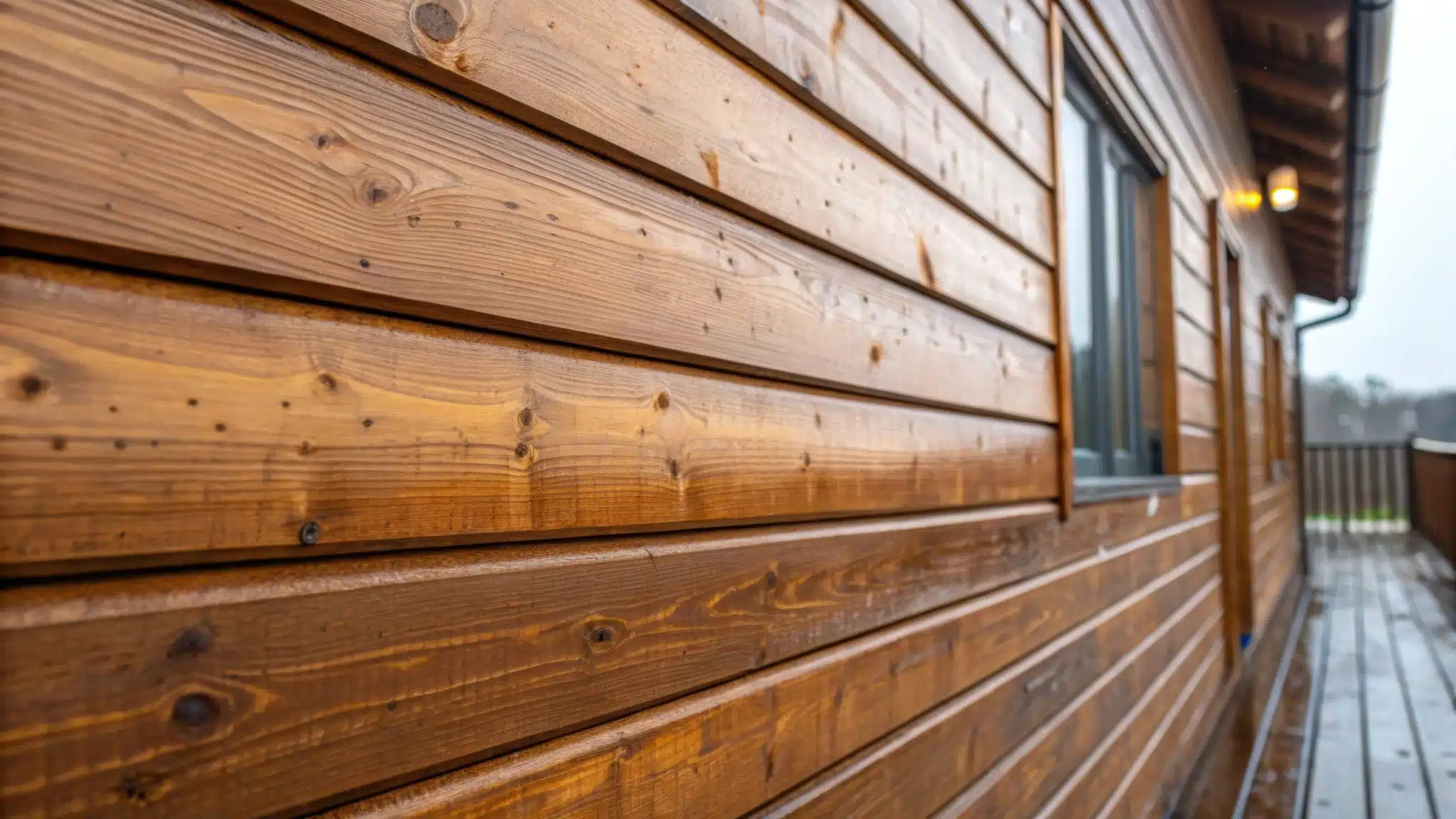
The appearance of wood can be modified with the application of an architectural coating. Architectural coatings are surface coverings such as paints and stains applied...
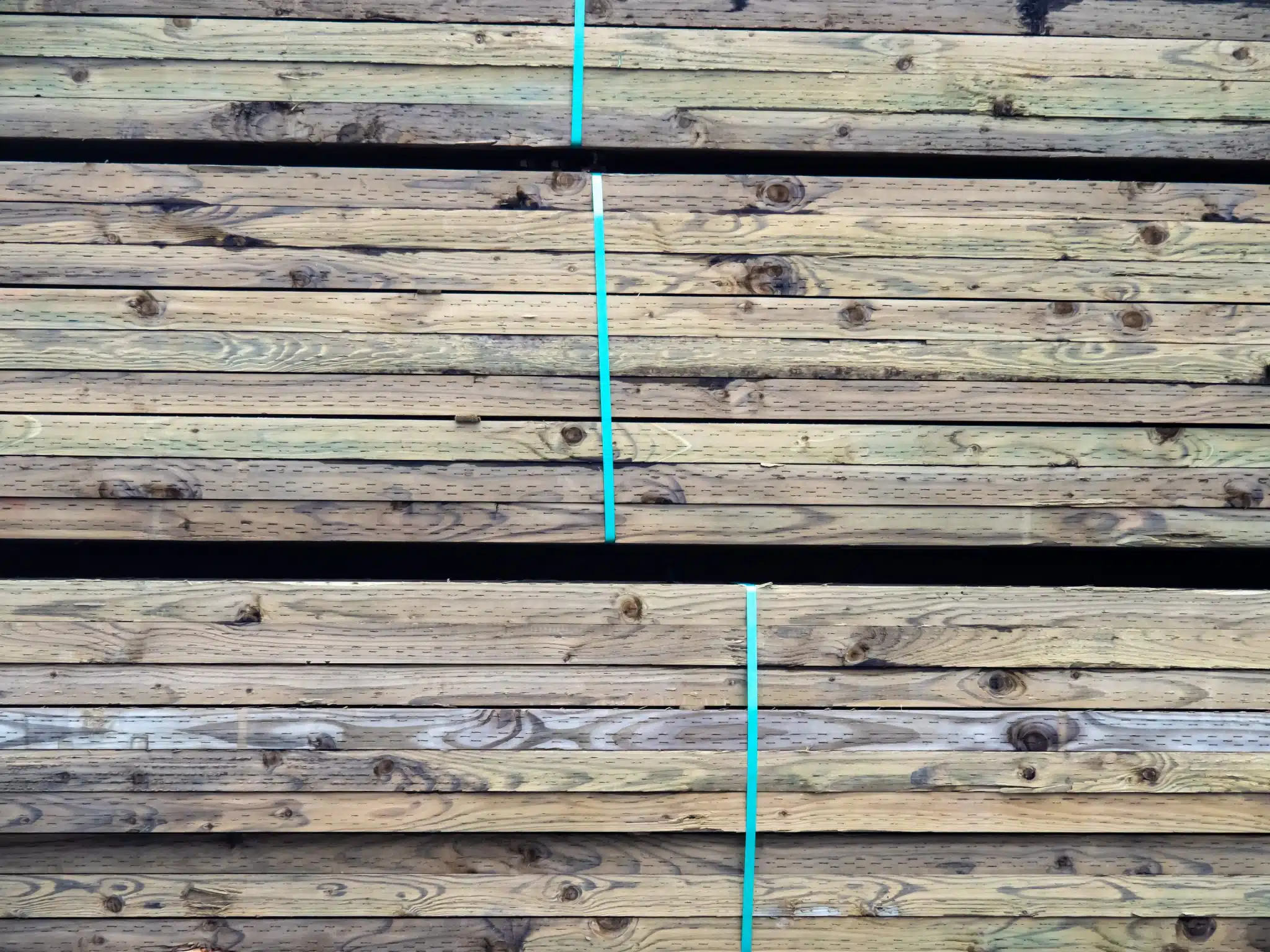
Non-Pressure Treated Wood For most treated wood, preservatives are applied in special facilities using pressure. However, sometimes this isn’t possible, or the need for...
Preservative-treated wood is typically pressure-treated, where the chemicals are driven a short distance into the wood using a special vessel that combines pressure and...
Ottawa, ON, December 12, 2024 – The Canadian Wood Council (CWC) announced the recipients of the 2024 Catherine Lalonde Memorial Scholarships: Laura Walters (McMaster...
Ottawa, Ontario – September 17, 2024 — The Canadian Wood Council (CWC) and Woodsure (A division of Axis Insurance Managers Inc.) are pleased to announce a new partnership...
The VanDusen Botanical Garden in Vancouver, British Columbia, was founded in 1971; doors opened to the public in 1975. By the year 2000, two existing buildings, the Floral...
Located at the eastern end of Lake Nipissing on the voyageur route linking Lake Superior to salt water, North Bay, in modern times, has a diversified economy and also serves...
The Bill Fisch Forest Stewardship and Education Centre (Education Centre) was planned and built to educate residents of the Regional Municipality of York about the importance...
Situated adjacent to Toronto, Markham, Ontario is a fast-growing community with a burgeoning need for recreational facilities. To help meet this demand, the Angus Glen...
The Art Gallery of Ontario (AGO) was founded in 1900 as the Art Museum of Toronto. In 1919 it became the Art Gallery of Toronto and in 1966, took on its present name. The...
The Town of Banff is located in Banff National Park, Canada’s first national park and a UNESCO World Heritage Site. It is home to over 8,700 residents and greets more than...

Get Access to Our Resources

Stay in the loop and don’t miss a thing!

1
2
3

Get Access to Our Resources

Stay in the loop and don’t miss a thing!

What’s Your Occupation?

Help us personalize the content for you.

What Interests You the Most?

Help us personalize the content for you.

Filters

Expertise Icon
Field of Expertise
Province Icon
Province
Member Type Icon
WoodWork National Partners

Filters

Post Type Icon
Post Type
Persona Icon
Persona
Language Icon
Language
Tags Icon
Tags
Mass Timber Plus Icon Environment Plus Icon Safety Plus Icon Durability Plus Icon Design Systems Plus Icon Budget Plus Icon Construction Management Plus Icon Fire Resistance Plus Icon Tall Buildings Plus Icon Short Buildings Plus Icon
Date Icon
Date
Line Separator